


Newsletter Subscribe
Enter your email address below and subscribe to our newsletter

Rising Above the Noise
 Byocta
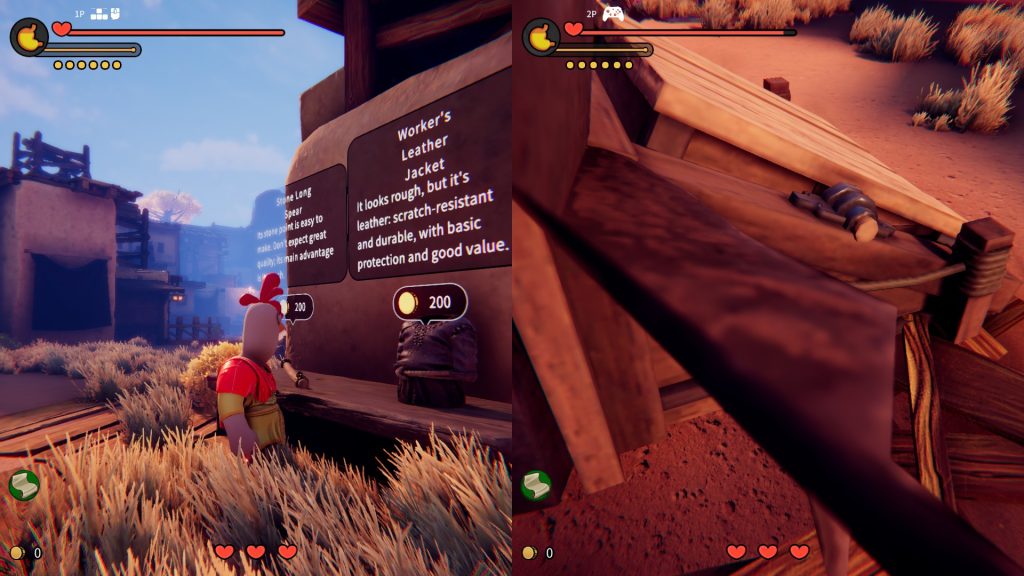
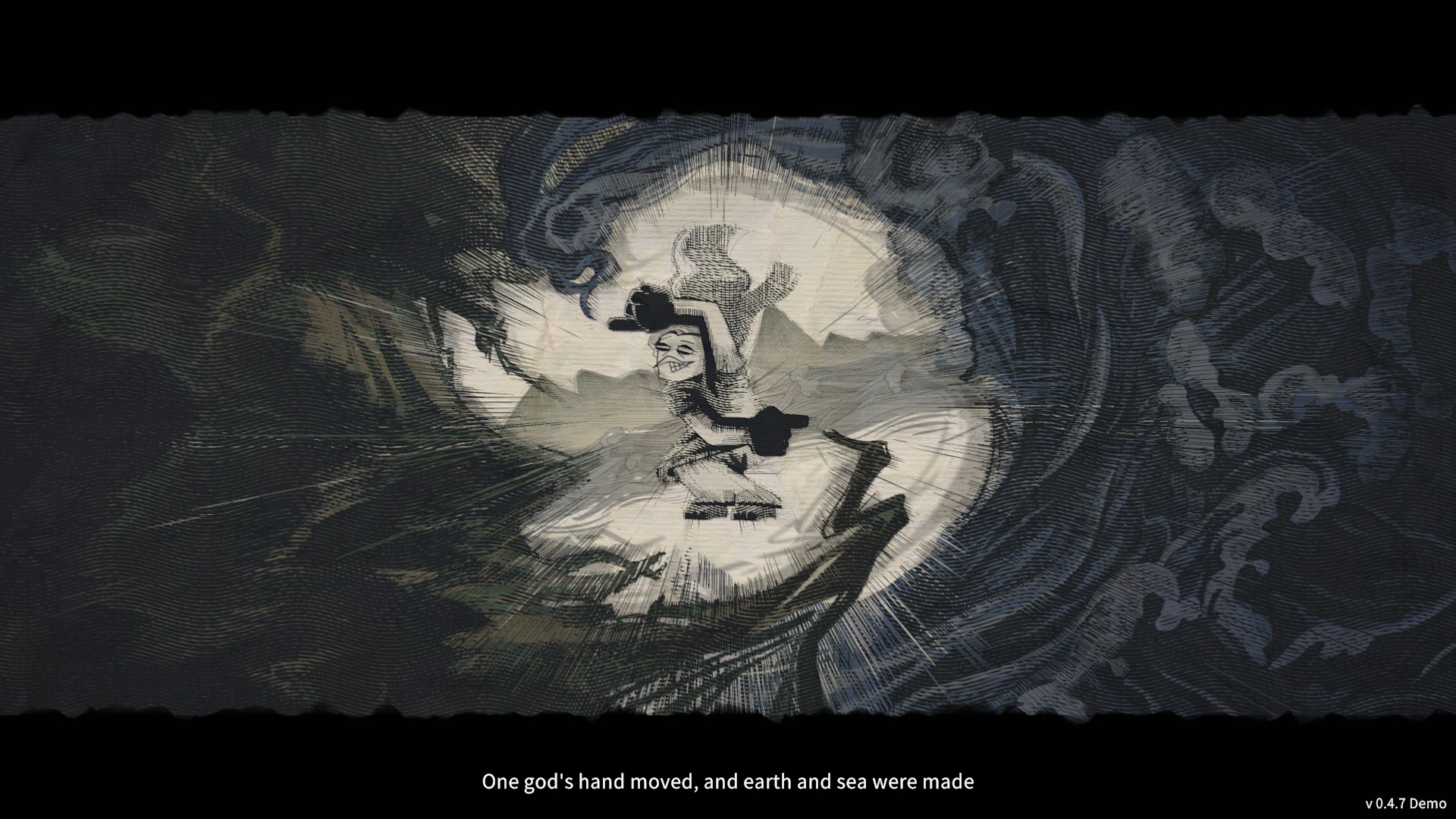
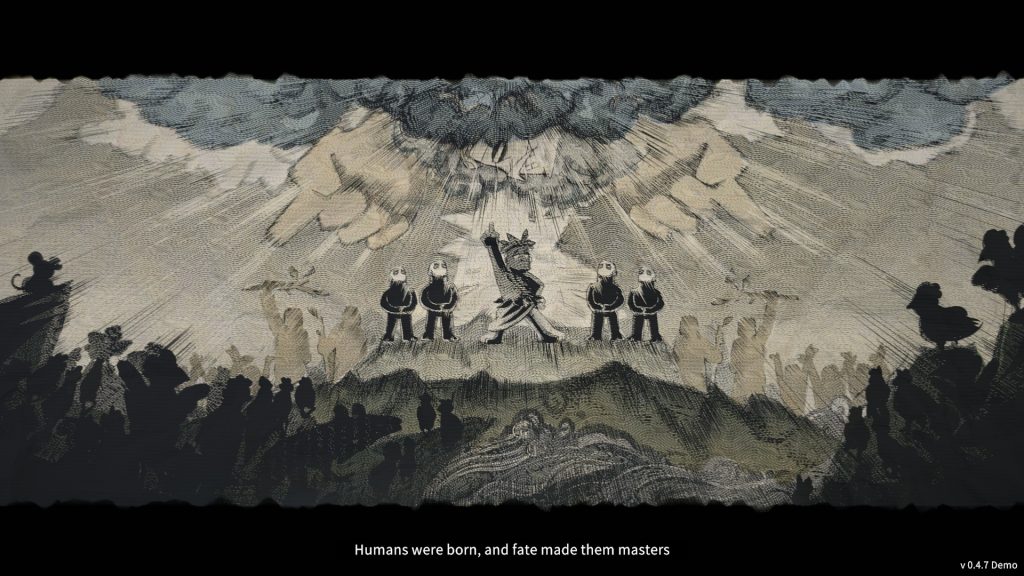
Within the contemporary action RPG landscape, mechanical accessibility often supersedes experimentation. Last Chickenburg moves in the opposite direction. Developed by YeRenGameStudio, the game combines action combat, exploration, survival systems, and long-term progression within a deliberately eccentric world inhabited by warring Chickenfolk and Humanfolk.
Rather than embracing familiar genre conventions such as forgiving dodge mechanics or heavily signposted encounters, the title appears committed to a philosophy of learned mastery through observation, positioning, and environmental awareness.
RELEASE DATE: 9 Nov, 2026
The structural foundation of Last Chickenburg rests upon a convergence of action RPG combat, survival mechanics, environmental exploration, and long-term character progression. Player agency emerges through direct engagement with hostile encounters where positioning, timing, distance management, and situational awareness appear to carry greater importance than the convention driven combat solutions common throughout the genre. Rather than emphasizing invulnerability frames, combo chains, or highly telegraphed responses, the underlying design philosophy seeks to reward observation and learned mastery of enemy behavior.
Progression is distributed across multiple interconnected systems. Character growth occurs through exploration, resource acquisition, equipment upgrades, and the gradual accumulation of abilities that expand both combat effectiveness and navigational potential. The world structure appears to incorporate Metroidvania influences, encouraging players to revisit previously inaccessible locations as new tools and capabilities are acquired. Advancement therefore derives not solely from numerical enhancement but also from an expanding understanding of the environment itself.
Survival mechanics introduce an additional layer of systemic friction through hunger and stamina management. These systems extend decision making beyond combat encounters, requiring players to consider resource availability, preparation, and environmental familiarity when venturing into dangerous territory. Exploration consequently serves a dual purpose, functioning both as a method of progression and as a means of sustaining continued survival.
The transition from individual adventurer to community leader introduces a broader strategic dimension to the experience. While the early game centers upon personal survival and combat proficiency, later progression appears to shift toward settlement development and the reconstruction of Chickenfolk society. This evolving scope has the potential to create a compelling progression arc by transforming the player’s objectives from immediate survival toward long-term prosperity and territorial reclamation.
Replayability is likely to emerge not from narrative variance but from mastery. The developer’s stated design philosophy suggests that player improvement, environmental knowledge, and a deeper understanding of the game’s systems form the primary progression loop. Consequently, the central measure of success will not be whether the game can be completed, but whether continued engagement reveals increasing strategic depth beneath its initially unconventional mechanics.
Can a Foreign Game Survive an Identity Crisis and Still Be Good?
An identity crisis in video game design rarely stems from incompetence; more often, it arises when an ambitious creator refuses to sand down idiosyncratic mechanics to fit Western storefront algorithms. When YerenGames brought Last Chickenburg into Early Access, the title arrived carrying an immediate perceptual barrier.
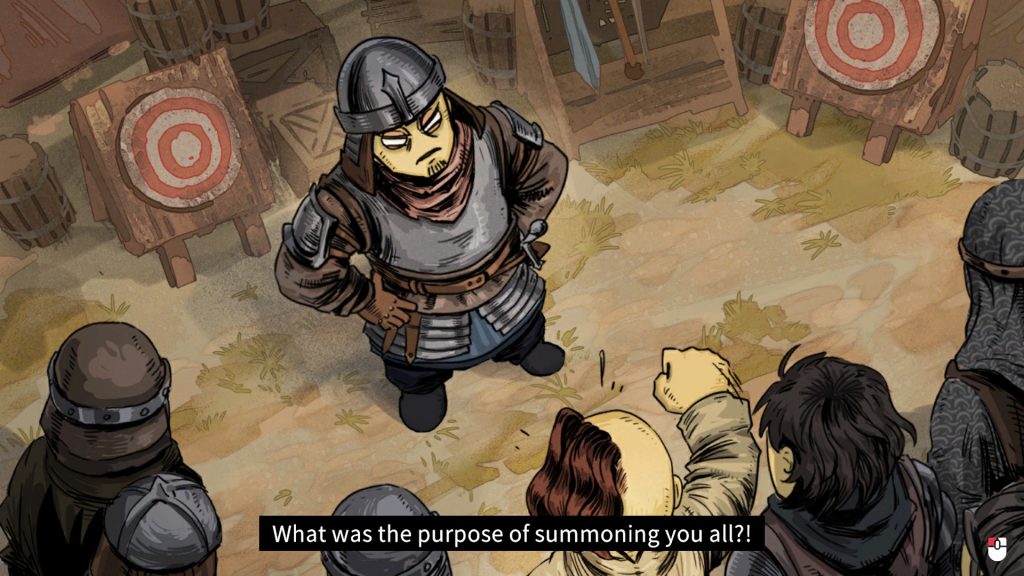
To the casual Western observer, a poultry uprising in which a Chicken King leads Chickenfolk against oppressive Humanfolk promises either whimsical slapstick comedy or a cozy settlement management simulator. In practice, the software is an austere, combat centric action role playing game where survival friction, spatial exploration, and later community reconstruction orbit a remarkably unforgiving melee foundation.
Whether a foreign release can endure such a profound mismatch between aesthetic expectation and mechanical reality depends entirely on whether its underlying systems cohere once players abandon preconceived genre habits.

The structural foundation of Last Chickenburg rests upon combat as its primary pillar, around which exploration, survival, and progression are constructed. Rather than relying upon elaborate combo chains, dodge invulnerability frames, or animation cancel safety nets that flatter reflex driven play in modern action role playing games, the design prioritizes positioning, spacing, timing, environmental awareness, and learned observation of adversary behavior.
Each weapon features a single move, turning every commitment into a deliberate tactical choice. Reinforcing this austerity is a shared interaction rulebook across player and artificial intelligence, wherein combatants obey common physical constraints, including scavenging dropped gear and seeking restorative items mid encounter. When players internalize distance management and terrain geometry, this combat centric design justifies its unusual philosophy by rewarding genuine mastery and situational comprehension rather than numerical stat inflation or reflexive button mashing.
Nevertheless, unconventional systems create considerable friction when aesthetic presentation contradicts mechanical discipline. Because the satirical avian premise evokes lighthearted accessibility, newcomers frequently approach early encounters with aggressive habits that invite swift punishment through animation commitments, hunger, and stamina pressures.
Survival systems extend deliberation beyond combat by tying exploration and resource preparation directly to continued viability, while spatial progression encourages revisiting earlier areas as capabilities and environmental understanding expand. In response to critical observations, the developer thoughtfully acknowledged this exact divide, recognizing that possessing a clear design philosophy is not the same as successfully communicating that philosophy to players.
Without clearer early signposting to bridge that communicative gap, initial friction risks impeding access to the broader progression arc, where solitary survival evolves toward mercenary recruitment, stronghold capture, village defense, and the reconstruction of Chickenfolk society.
Ultimately, a game does not need a tidy commercial label to possess substantive merit. Last Chickenburg illustrates that a foreign independent project can weather an acute identity crisis and still offer compelling depth, provided its core mechanics respect player intelligence and reward patient observation. Its combat driven architecture succeeds on its own rigorous terms by turning discipline into progression, even as its wider ambitions across survival, exploration, and societal reconstruction remain vulnerable to early onboarding friction until players adjust to its unyielding cadence.