


Newsletter Subscribe
Enter your email address below and subscribe to our newsletter

Rising Above the Noise

 Byocta
Some mysteries invite players to uncover answers through intuition and emotional connection. Others approach the genre as a structured process of collecting evidence, assembling conclusions, and gradually unlocking the next piece of the narrative. Hope in the City firmly belongs to the latter camp. It is a mystery adventure built around investigation, clue gathering, and deduction rather than dramatic emotional engagement.
The premise initially appears compelling. A young woman returns home to discover unsettling signs that something has gone wrong. Her father’s belongings have been disturbed, important items are missing, and evidence suggests a significant event has taken place. As she begins searching for answers, players are tasked with exploring the city, locating clues, and combining those clues into insights that advance the plot. These insights eventually lead to larger breakthroughs that push the investigation forward.
Available Nov. 11, 2026
The game’s core progression loop is clear from the outset. Explore an area, locate the required clues, construct an insight, trigger a breakthrough, and move on to the next stage of the mystery. The design itself is not inherently flawed. In fact, the developers provide numerous world and interface indicators to help guide players toward important discoveries. The problem is not that the player lacks direction. The problem is that the process can feel overly controlled.
Rather than allowing discoveries to emerge organically through curiosity and observation, much of the experience resembles a scavenger hunt for narrative puzzle pieces. Progress is carefully gated behind investigative tasks and small puzzles. Until these requirements are completed, the story remains largely frozen. While this structure creates clarity and ensures players engage with the intended content, it can also reduce the sensation of genuine investigation. The player is often following a prescribed sequence rather than pursuing independent lines of inquiry.
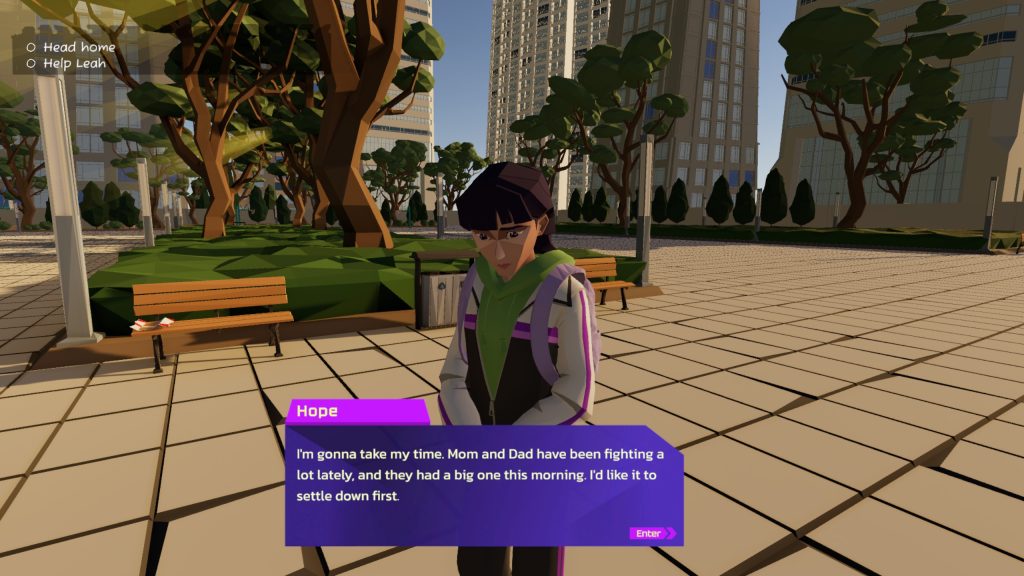
This sense of control extends into the storytelling itself. Many early revelations rely on assumptions that feel only partially supported by the evidence presented. Relationships, family secrets, and personal histories are often inferred from limited information, creating situations where players may question whether the conclusions being drawn truly match the clues provided. The investigation frequently asks the player to accept narrative leaps that could have benefited from additional context or validation.
Perhaps the most difficult aspect of the opening chapters is the emotional distance between the protagonist and the events unfolding around her. The central mystery revolves around circumstances that would appear alarming to most people. Yet the protagonist’s reactions often feel restrained, producing a disconnect between what the player sees and what the story communicates. Significant discoveries that seem as though they should carry emotional weight are frequently processed with surprising detachment.
This creates an unusual tension. The narrative repeatedly suggests serious underlying circumstances, but the presentation adopts a relatively measured tone. The result is a mystery that often feels more interested in problem solving than in exploring the emotional consequences of those problems. Characters interact, information is exchanged, and clues are collected, yet meaningful emotional resonance remains elusive during the early portions of the game.

Even so, there is another way to interpret these design decisions. The highly structured progression, reserved character interactions, and methodical pacing may reflect storytelling traditions that differ from those commonly found in Western mystery games. Western narratives frequently emphasize immediate emotional hooks, strong personal stakes, and visible character reactions. Hope in the City instead embraces patience, observation, and gradual revelation. What initially appears detached may simply reflect a different approach to narrative pacing.
This distinction becomes especially noticeable when compared to mystery titles that prioritize organic discovery. In those games, clues often emerge naturally through exploration and conversation. Here, the investigation is much more deliberate and segmented. Every clue serves a specific purpose within the larger framework. The city itself feels less like an open environment waiting to be understood and more like a carefully arranged sequence of investigative checkpoints.
Whether that approach succeeds will largely depend on what players expect from the genre. Those seeking emotional immediacy, meaningful choice, and flexible investigative paths may find the opening hours difficult to connect with. Despite marketing that emphasizes player choice, significant agency remains difficult to identify during the early stages, with progression largely defined by completing required objectives.
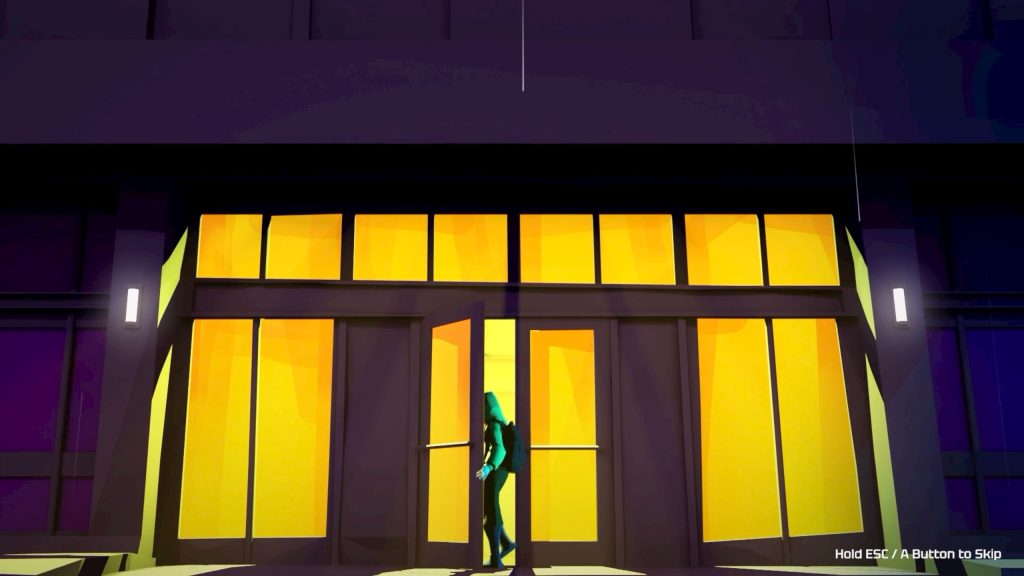
On the other hand, players who enjoy methodical mysteries, clue hunting, and structured deduction systems may find plenty to appreciate. There is a clear logic behind the game’s design. Every clue has a purpose. Every discovery feeds into a larger conclusion. The satisfaction comes not from shaping the story, but from assembling it piece by piece.
Ultimately, Hope in the City feels less concerned with delivering dramatic twists and more interested in recreating the process of investigation itself. The opening may come across as overly managed and occasionally contrived, but it remains coherent in its objectives and consistent in its execution. For players willing to embrace a slower, more methodical mystery, there is enough intrigue here to justify a closer look. It may not deliver the emotional intensity some audiences expect, but as a puzzle driven detective experience, it understands exactly what it wants to be.
While its heavily guided structure and emotionally distant opening may limit its appeal for some players, Hope in the City offers a competent mystery built around deduction, observation, and careful clue assembly. Those looking for a thoughtful puzzle driven investigation rather than an emotionally charged drama will likely find the experience easier to appreciate.