

Newsletter Subscribe
Enter your email address below and subscribe to our newsletter

Rising Above the Noise
 Byocta
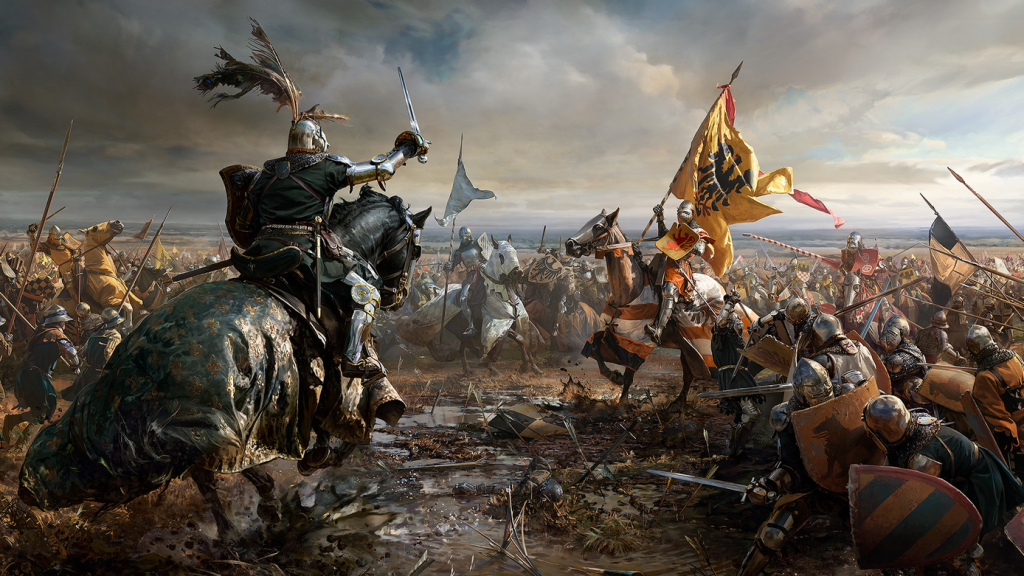
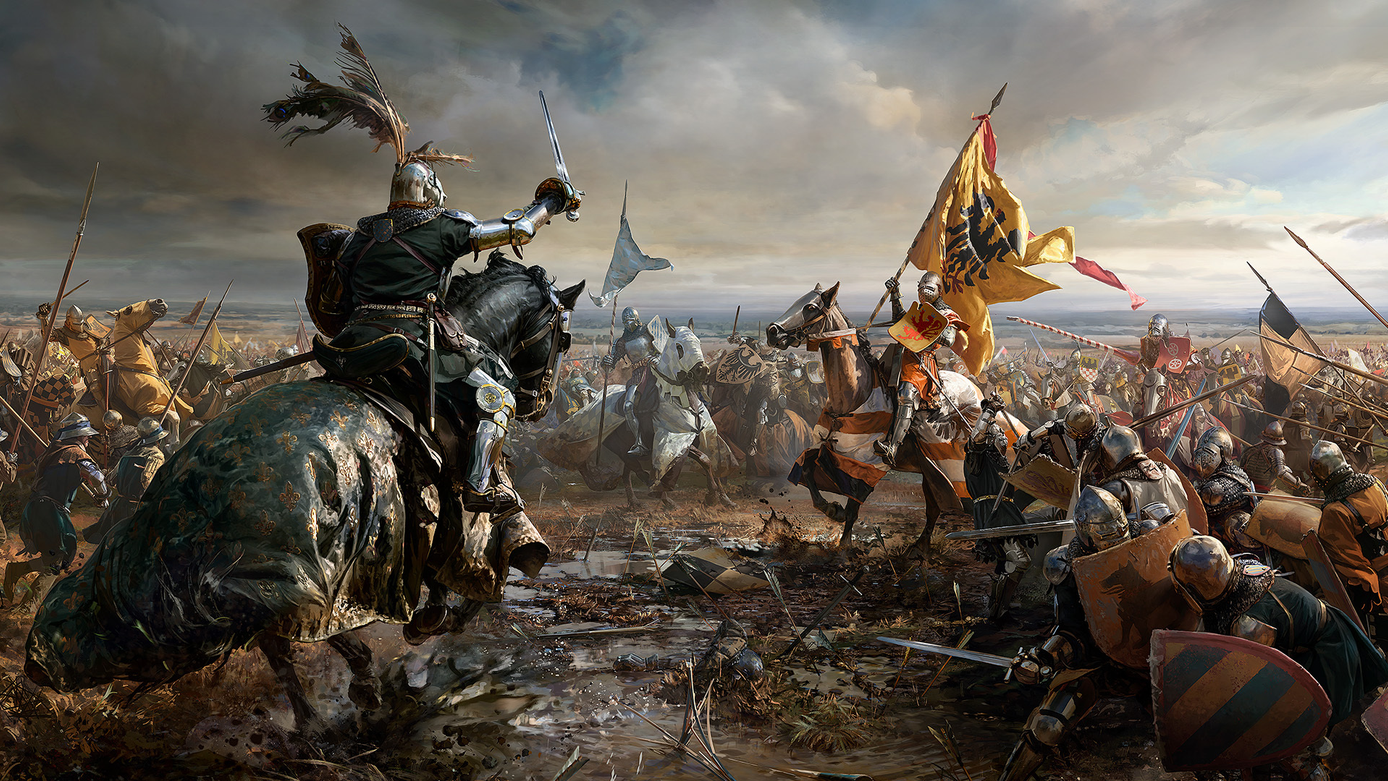
Chronicles: Medieval occupies an intriguing junction between historical sandbox ambition and corporate restructuring following the insolvency of original developer Raw Power Games on October 30, 2026, and Coffee Stain Group’s subsequent acquisition of the intellectual property on November 14, 2026. Developed around the premise of placing players inside large-scale medieval warfare while simultaneously granting battlefield command authority, the project seeks to bridge the divide between personal action role-playing combat and formal tactical leadership.
For readers approaching the subgenre without prior familiarity, the central question is not whether large battles can be simulated. Mount & Blade II: Bannerlord has already demonstrated the viability of one-thousand-soldier engagements. The more consequential question is whether Chronicles: Medieval introduces a distinct battlefield philosophy through structured deployment lines, formation discipline, standing orders, morale-driven outcomes, and time-dilated command oversight.
This editorial examines the project’s documented mechanics, technical ambitions, and post bankruptcy restructuring while distinguishing confirmed information from critical analysis.
Planned Release Date: 2027 (EA)
The Turmoil and Rescue Behind One of 2027’s Most Anticipated PC Releases
Few upcoming personal computer releases have commanded the anticipation surrounding Chronicles: Medieval. Initiated in 2022 by Copenhagen based Raw Power Games, a studio assembled from veteran developers with pedigrees spanning The Witcher 3, Total War, and Crusader Kings III, the historical sandbox climbed to twenty sixth place on Steam’s global wishlist rankings. For an audience long eager for software that marries personal third person combat with sweeping, historically grounded warfare, the project proposed an audacious evolution of the medieval sandbox. Yet behind that public momentum lay severe financial vulnerability that nearly extinguished the title before players could ever step onto its battlefields.
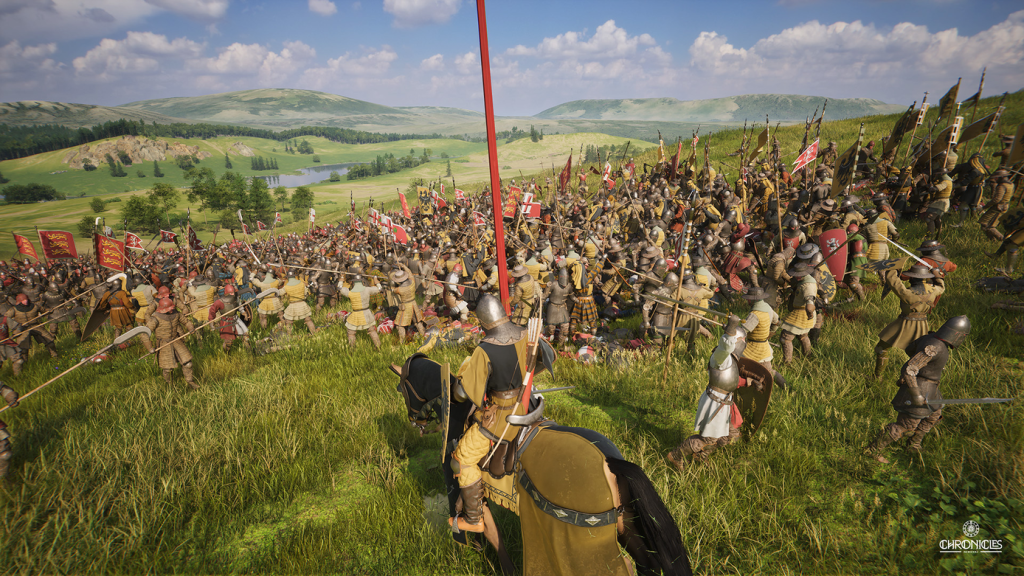
The crisis erupted publicly on October 30, 2026. Despite showcasing a team of roughly one hundred industry veterans during Summer Game Fest in June 2026 and outlining plans for a Steam Early Access launch later that year, Raw Power Games abruptly announced via Steam and social media that external circumstances had collapsed the funding required to sustain operations. On that very same day, the studio was declared bankrupt, leaving one of Steam’s thirty most wishlisted titles stranded in insolvency.
Salvation arrived two weeks later from an unexpected quarter. On November 14, 2026, Coffee Stain Group, the Swedish publisher and developer behind Satisfactory and Deep Rock Galactic, announced in a regulatory filing that it had won the bankruptcy estate auction to acquire the intellectual property and assets of Chronicles: Medieval. The transaction carries a purchase price of 36.75 million Danish kroner, approximately 5.42 million United States dollars, alongside transaction costs and an investment agreement to fund ongoing development. Rather than absorbing the property into an existing subsidiary without continuity, Coffee Stain structured a dedicated new company in which it holds seventy five percent ownership while a select cohort of key original developers retains the remaining twenty five percent equity.
Understanding why this rescue carries such weight requires examining the technical and creative tightrope Chronicles: Medieval is attempting to walk, particularly when measured against its closest official benchmark, Mount & Blade II: Bannerlord.
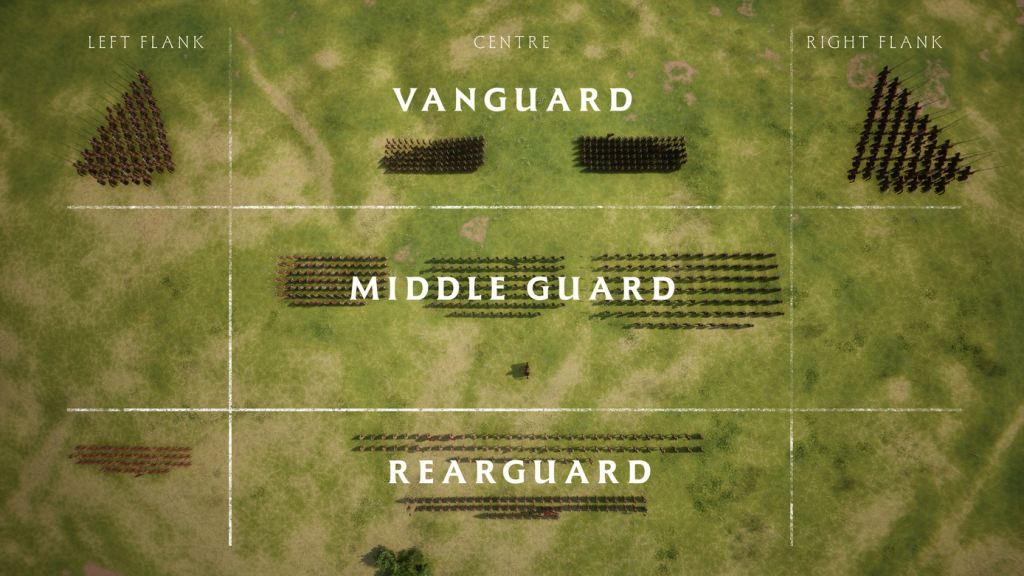
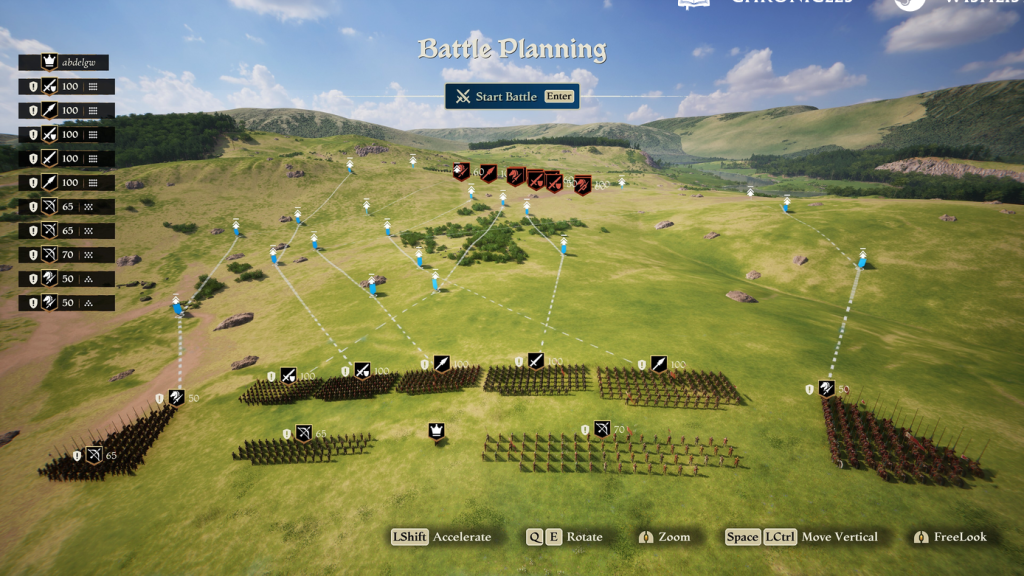
Official TaleWorlds specifications confirm that Bannerlord supports up to one thousand simultaneous combatants on personal computers within a fictionalized world built around directional melee, fluid skirmishing, reinforcement waves, and siege warfare. Chronicles: Medieval, by contrast, is officially documented by its creators around historical European warfare, pre battle deployment lines divided into Vanguard, Middle Guard, Rearguard, and Flanks, standing postures, specialized formations such as Spear Walls and Squares, time dilated Command Mode oversight, and a five stage morale architecture ranging from Inspired down to Broken where battles resolve through ordered retreats and routs rather than mere attrition.
Attempting to stage formations of up to one thousand player commanded soldiers, and potentially two thousand troops across a single battlefield map, powered by Unreal Engine 5 and proprietary Asgard technology demands immense engineering capital, illustrating precisely why an independent studio ran out of runway before reaching Early Access.
For the community awaiting its arrival, the transition inaugurates a period of cautious recalibration. Coffee Stain has confirmed that the newly constituted studio will begin with a low initial cost base intended to expand incrementally as operations grow, with formal completion awaiting cash disbursement to the bankruptcy estate in the coming weeks.
Meanwhile, the Steam storefront has shifted from Raw Power Games’ earlier 2026 ambitions to a 2027 release window, with specific schedules and team structures remaining subject to official updates through the game’s channels once the acquisition closes. The intellectual property has survived insolvency with core creative stakeholders still invested, yet the true measure of this rescue will emerge in 2027, when players finally discover whether a leaner, reconstituted studio can deliver the disciplined, large scale medieval warfare that brought tens of thousands of fans to its banner in the first place.