


Newsletter Subscribe
Enter your email address below and subscribe to our newsletter

Rising Above the Noise
 Byocta
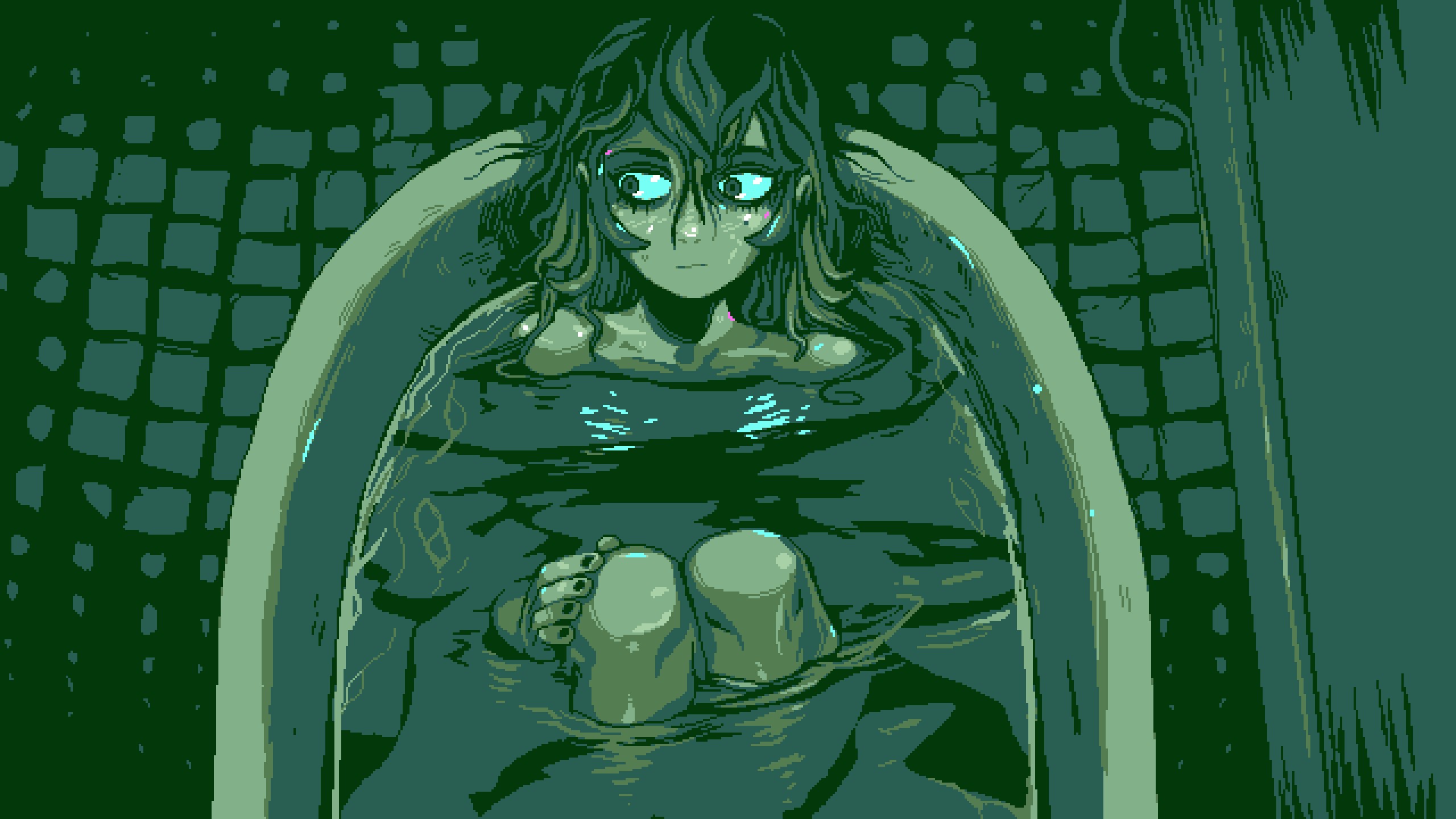
Neverway presents itself as a pastoral escape, a chance for its protagonist Fiona to abandon a stagnant existence and begin anew on a remote island. The surface promises quiet routines, gentle community rhythms, and the familiar comforts of farming and fishing. Beneath this veneer lies a narrative architecture shaped by cosmic horror, psychological erosion, and an escalating loss of agency.
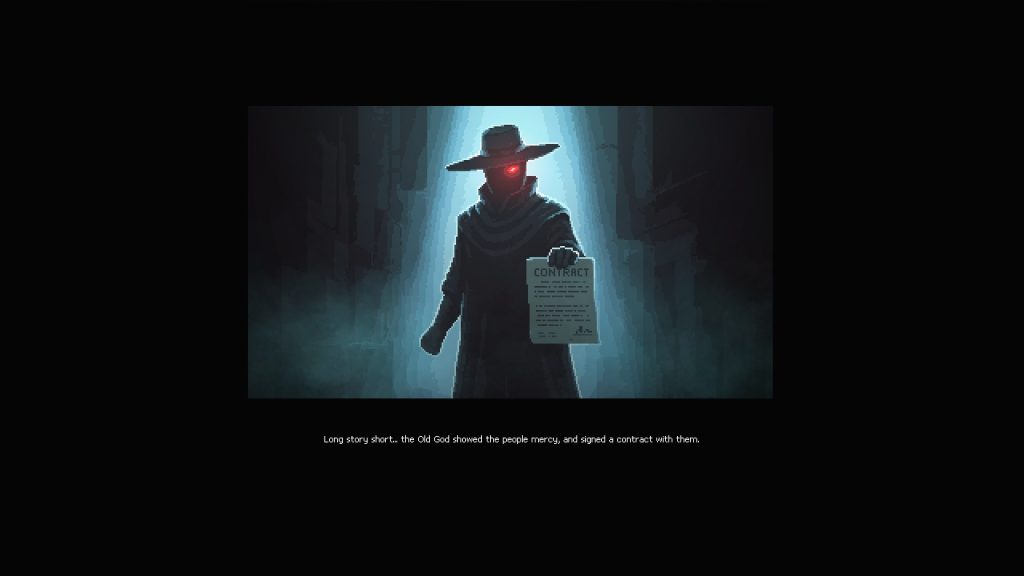
Fiona’s attempt at renewal is interrupted by an encounter with a dead god, a binding that renders her immortal and forces her into servitude within a leaking parallel reality known as the Neverway. The island’s apparent tranquility is further destabilised by an alien abduction motif that reframes Fiona’s displacement as part of a larger pattern of inexplicable phenomena. The result is a hybrid work that uses the grammar of cozy life simulation to anchor a story of dread, intrusion, and existential threat.
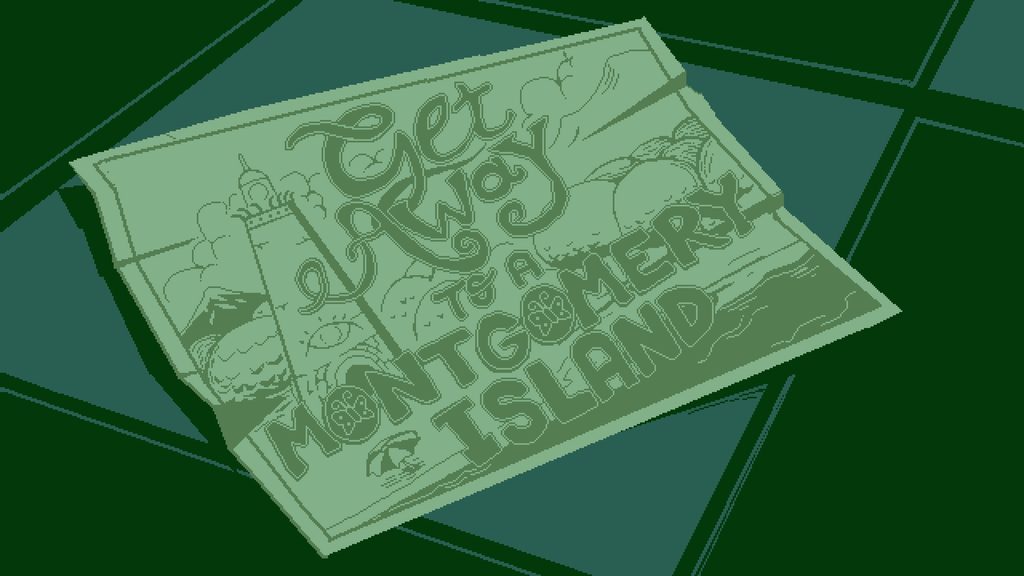
Neverway is developed by Coldblood Inc, a three person studio founded by Pedro Medeiros and Isadora Sophia, with direct funding from Outersloth. The project carries a notable artistic lineage through Medeiros’s pixel art direction and a score composed by Disasterpeace, whose previous works established a distinct atmospheric signature.
The title was originally scheduled for late 2026 but has been delayed to 2027 to accommodate expanded narrative scope, multiple non linear endings, and additional combat refinement following public playtests.
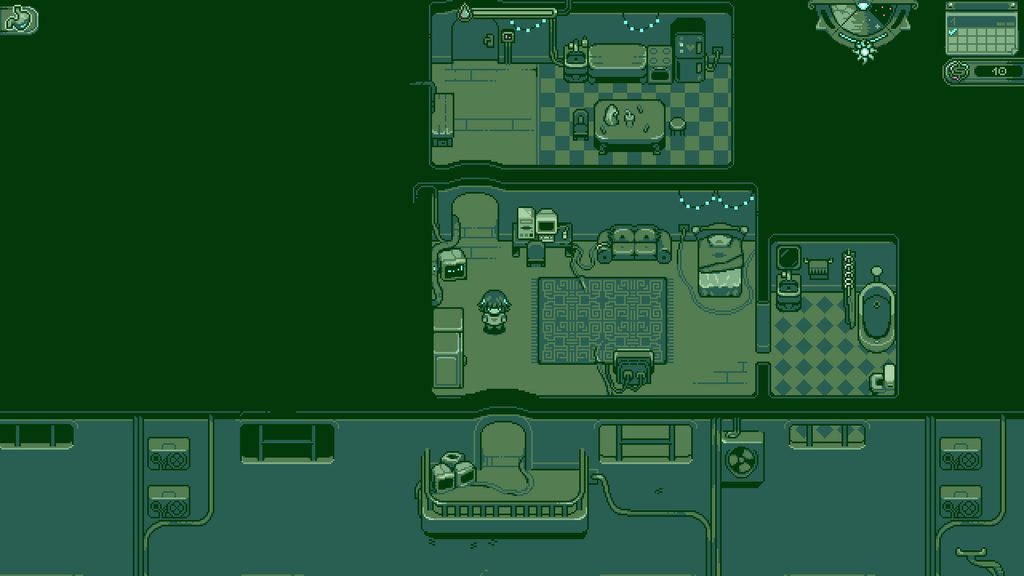
The premise begins with Fiona’s relocation to the island, a decision framed as an escape from a dead end life. Her arrival initiates a sequence of events that bind her to a dead god and force her into the role of immortal herald. This bond grants her access to the Neverway, a parallel realm where cosmic horror intrudes upon the island’s domestic routines.
The alien abduction motif reinforces the theme of involuntary displacement. Fiona’s servitude is not the only violation of autonomy. The island itself carries a history of unexplained disappearances and encounters that suggest a broader pattern of external manipulation. The abduction element functions as a thematic echo of Fiona’s own loss of control, creating a layered sense of intrusion from both supernatural and extraterrestrial forces.
The game’s structure is defined by a deliberate duality. Daytime progression operates as a cozy life simulation with farming, fishing, town interaction, and mortgage management. Time advances only when the player commits to specific actions, creating a pacing model distinct from conventional real time day cycles. This controlled temporal flow allows the player to inhabit the island’s routines without pressure, reinforcing the illusion of safety.
When Fiona enters dangerous zones or transitions into nighttime incursions, the game shifts into a two dimensional top down action RPG reminiscent of Zelda like combat. Item crafting, stamina management, and tool based traversal form the backbone of this layer. The contrast between the calm domestic loop and the violent incursions into the Neverway is central to the game’s identity.

The systemic interlock between social progression and combat capability is one of Neverway’s most distinctive features. Relationships with island residents are not decorative. They directly grant combat buffs and soulbond abilities required to survive deeper incursions into the eldritch realm.
Romantic paths, friendship arcs, and town dynamics become mechanical levers rather than narrative flavour. This design choice reinforces the idea that Fiona’s connections are both a source of strength and a reminder of her compromised autonomy. The alien abduction motif further complicates these relationships. The islanders carry their own histories of unexplained phenomena, creating a communal atmosphere of suppressed fear and unspoken trauma.
Within the genre landscape, Neverway occupies the emerging hybrid space often referred to as horror life simulation. Many cozy titles treat their darker elements as aesthetic garnish. Neverway rejects this approach. It uses the cozy loop as structural grounding for a cosmic horror narrative that interrogates debt, servitude, psychological erosion, and involuntary displacement.
The bright pixel art aesthetic masks a premise that is fundamentally uncomfortable. The lineage draws from farming and social simulation traditions such as Stardew Valley and Rune Factory, but the tonal and thematic direction aligns more closely with existential horror works like Fear and Hunger or Dredge. The alien abduction motif situates the game within a broader tradition of narratives that explore the violation of bodily autonomy and the terror of unexplained disappearance.
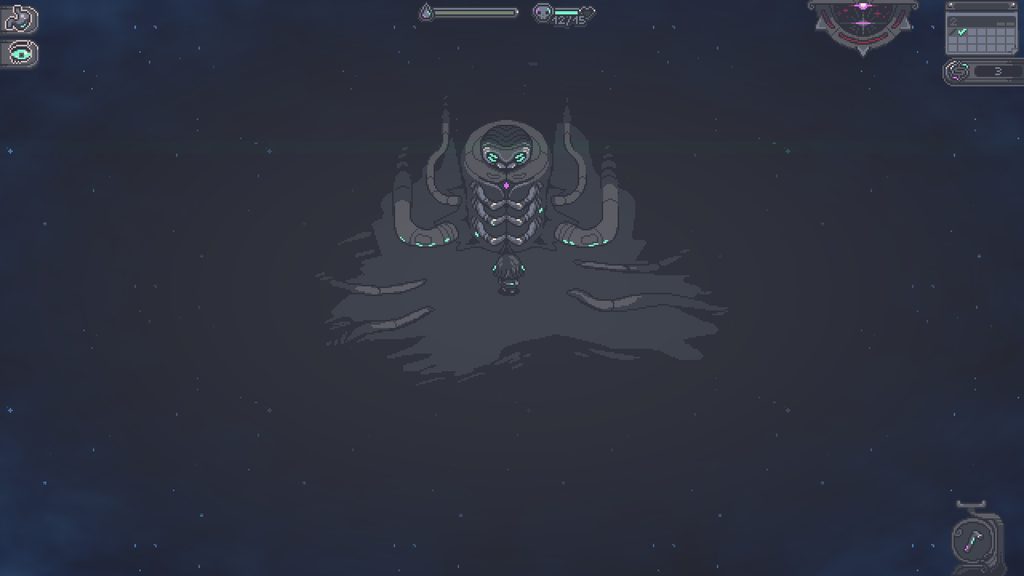

https://store.steampowered.com/app/2318330/Neverway
Neverway is not a simple fusion of cozy mechanics and horror aesthetics. It is a work that uses the familiar rhythms of life simulation to create a false sense of stability before systematically dismantling it. Fiona’s servitude to a dead god, her immersion in the Neverway, and the island’s history of alien abduction form a coherent thematic structure centred on loss of agency and the intrusion of forces beyond comprehension. The game’s dual progression systems, its interlocking social and combat mechanics, and its atmospheric pedigree position it as a significant entry in the evolving horror life simulation genre. Neverway invites players to inhabit a world where comfort is a mask, routine is a fragile defence, and every moment of calm is threatened by the possibility of disappearance into realms unseen.


[…] Neverway https://www.octaviusreviews.com/upcoming-releas […]
[…] Neverway https://www.octaviusreviews.com/upcoming-releases/neverway/ Tenebris Somnia https://www.octaviusreviews.com/indie-horror/tenebris-somnia/ The Autopsy of Entropy: A Design Analysis of Schrödinger’s Call https://www.octaviusreviews.com/indie-horror/the-autopsy-of-entropy-a-design-analysis-of-schrodingers-call/ […]