


Newsletter Subscribe
Enter your email address below and subscribe to our newsletter

Rising Above the Noise

 Byocta
Princess of Worlds End presents a character driven dark fantasy that derives its emotional force from a grounded depiction of early 2000 era opioid dependency. The story gains its resonance by treating addiction not as a narrative embellishment but as a lived reality that shaped an entire generation. The supernatural escalation that follows does not replace this foundation. Instead, it reframes her struggle by binding her personal recovery to the fate of the world.
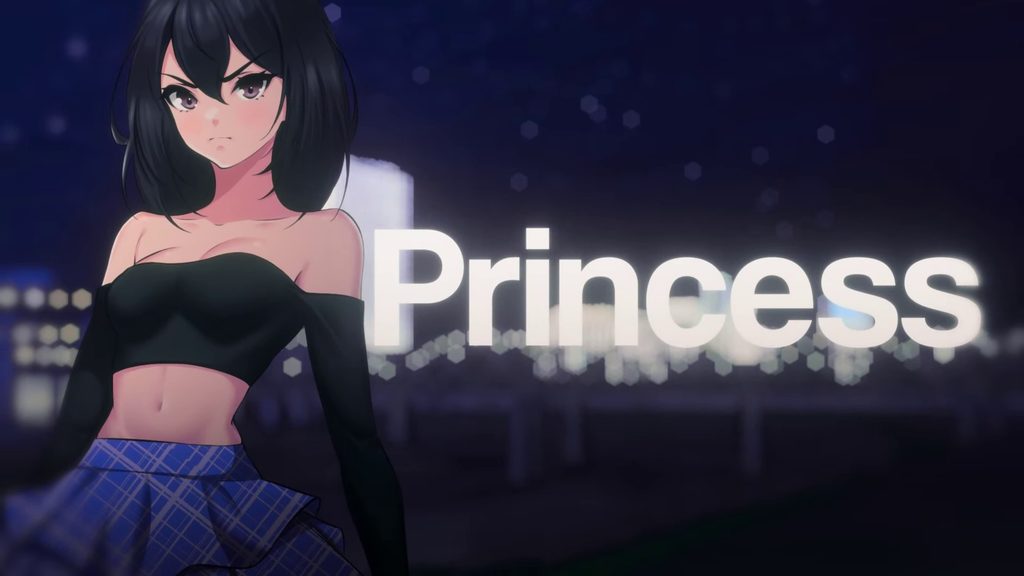
Princess is a volatile and high maintenance protagonist whose life has been shaped by instability since she fled home at sixteen. Her dependency on the fictional analgesic Numb X mirrors the structural conditions that produced real world opioid crises across Appalachia, the Rust Belt, and rural Southern states.
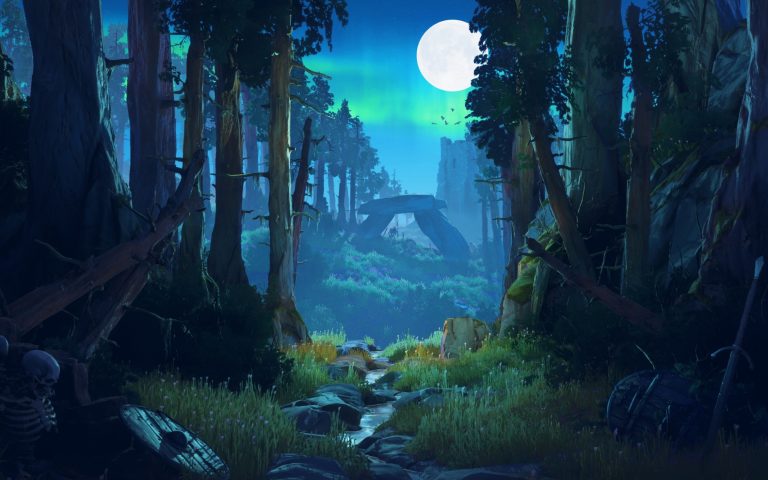
The narrative begins with her awakening in a drenched forest without her belongings, a moment that functions as both an inciting incident and a thematic rupture. Her impulsive decision to drink a stranger’s potion can lead to an immediate death route, yet it is also the act that unlocks her supernatural abilities. The story positions her addiction as the axis around which both personal and apocalyptic stakes revolve.
Mechanics and Structural Design
The game blends urban dark fantasy with life management systems. Players must balance interpersonal relationships, addiction recovery, and high stakes supernatural encounters. The fully voiced narrative offers six romanceable characters, extensive branching, and multiple distinct endings across a ten to fifteen hour playthrough. The core loop alternates between personal maintenance and metaphysical escalation. Bad ends frequently emerge from relapse, withdrawal, or impulsive judgment rather than external magical threats, aligning mechanical consequences with psychological reality.
The game blends urban dark fantasy with life management systems. Players must balance interpersonal relationships, addiction recovery, and high stakes supernatural encounters. The fully voiced narrative offers six romanceable characters, extensive branching, and multiple distinct endings across a ten to fifteen hour playthrough. The core loop alternates between personal maintenance and metaphysical escalation. Bad ends frequently emerge from relapse, withdrawal, or impulsive judgment rather than external magical threats, aligning mechanical consequences with psychological reality.

Thematic Allegory
Numb X operates as a direct allegory for the early two thousand era opioid crisis. The game models tolerance, withdrawal, and the desperation that emerges when access is severed. Standard urban fantasy treats supernatural power as a form of empowerment. Princess’s dependency functions instead as a coping mechanism that blunts trauma and exhaustion. The illusion of numbness replaces the fantasy of strength. The supernatural conflict becomes an extension of her addiction rather than a separate narrative layer.

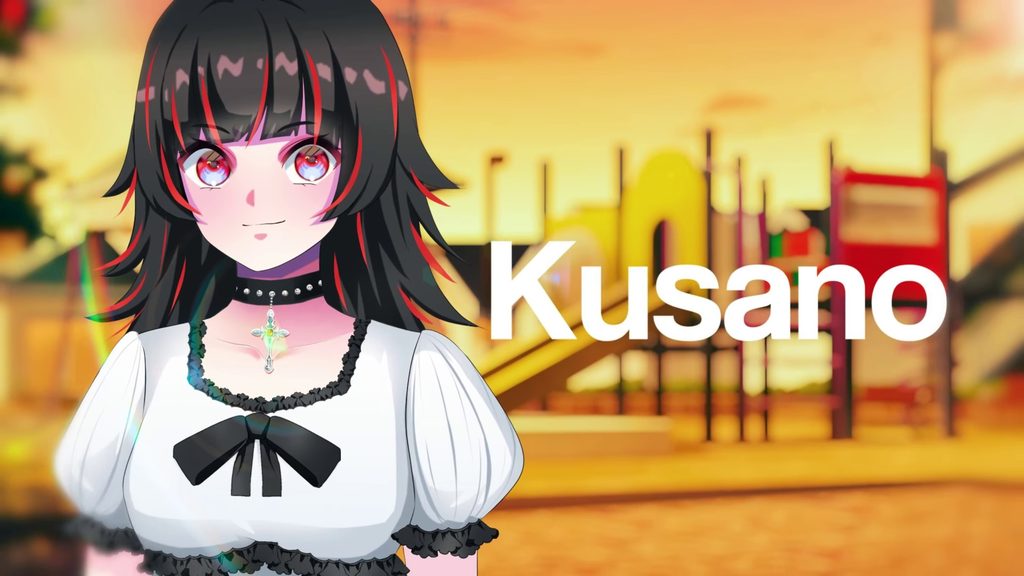
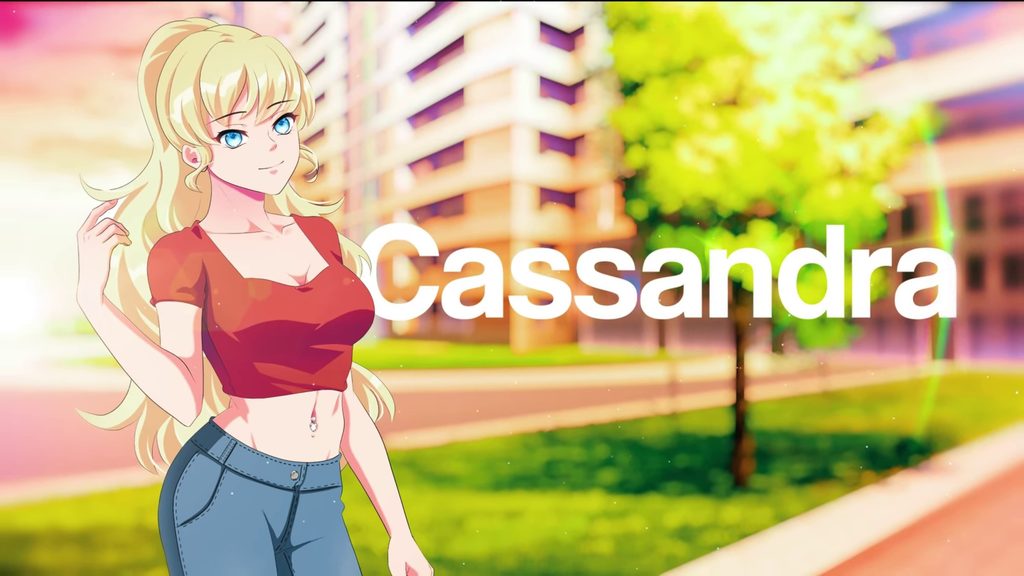
Princess of Worlds End diverges from conventional otome structures. Traditional otome protagonists stabilize volatile love interests. Princess destabilizes them. Her chaotic and self destructive nature forces the romance routes to become mutual tests of resilience rather than fantasies of emotional caretaking. Characters such as Felix fit the archetype of the damaged male lead, yet Princess is equally damaged. The routes explore whether two unstable individuals can support each other or collapse together. The cast includes queer and non binary representation, most notably the femme non binary deity Kusano hime, situating the game within contemporary LGBTQ plus narrative practices.


Princess of Worlds End succeeds because it refuses to separate its supernatural plot from its depiction of addiction. The world ending stakes are not an external threat. They are a magnified expression of the same structural abandonment that shaped Princess’s life. The result is a dark fantasy that remains grounded in human vulnerability even as it expands into metaphysical territory.
Rating 3 out of 5 Thumbs: 👍 👍👍 (Strong Immersive story.)
Princess of Worlds End occupies an unusual and strategically advantageous position within the dark visual novel and otome landscape. Most contemporary otome titles, even those with darker themes, rely on a familiar emotional architecture in which the protagonist functions as a stabilizing presence for volatile love interests. Princess reverses this dynamic. She is the unstable center of gravity, and the narrative forces the supporting cast to respond to her volatility rather than the other way around. This inversion alone places the game in a distinct tier of genre experimentation.
Within dark visual novels, the title aligns more closely with works such as Tsukihime and Fate slash stay night, where sudden death routes and metaphysical escalation are integral to the experience. However, Princess of Worlds End diverges from these classics by grounding its danger in psychological realism rather than external magical traps. Bad ends emerge from relapse, withdrawal, and impulsive judgment. This gives the game a thematic coherence that many supernatural VNs lack, because the metaphysical stakes are always tethered to the protagonist’s internal crisis.
The opioid allegory elevates the narrative beyond standard genre conventions. Dark visual novels often use trauma as a narrative device, but few anchor their entire supernatural framework in a historically grounded crisis. The early two thousand era opioid epidemic provides a cultural and emotional foundation that makes Princess’s struggle immediately recognizable. This historical resonance gives the game a level of relatability that is uncommon in a genre that frequently leans on abstraction or melodrama.
The romance structure also distinguishes the game. Traditional otome routes often revolve around emotional caretaking or the fantasy of healing a damaged male lead. Princess of Worlds End rejects this formula. Characters such as Felix may fit the archetype of the troubled love interest, yet Princess is equally damaged. The routes become mutual stress tests rather than fantasies of emotional rescue. This creates a more mature and psychologically complex form of romantic engagement.
The inclusion of queer and non binary characters, most notably the femme non binary deity Kusano hime, situates the game within contemporary LGBTQ plus narrative practices. This representation is not superficial. It is integrated into the metaphysical and thematic fabric of the story, giving the game cultural relevance that many genre peers lack.
Taken together, these elements place Princess of Worlds End in the upper tier of modern dark visual novels and experimental otome titles. It is not a genre reinvention, but it is a genre refinement. It takes familiar structures and reorients them around a protagonist whose flaws drive both the emotional and supernatural stakes. The result is a work that stands out for its thematic coherence, psychological realism, and willingness to confront human vulnerability without sentimentality.


[…] Neverway https://www.octaviusreviews.com/upcoming-releases/neverway/ Princess of Worlds End […]