


Newsletter Subscribe
Enter your email address below and subscribe to our newsletter

Rising Above the Noise
 Byocta
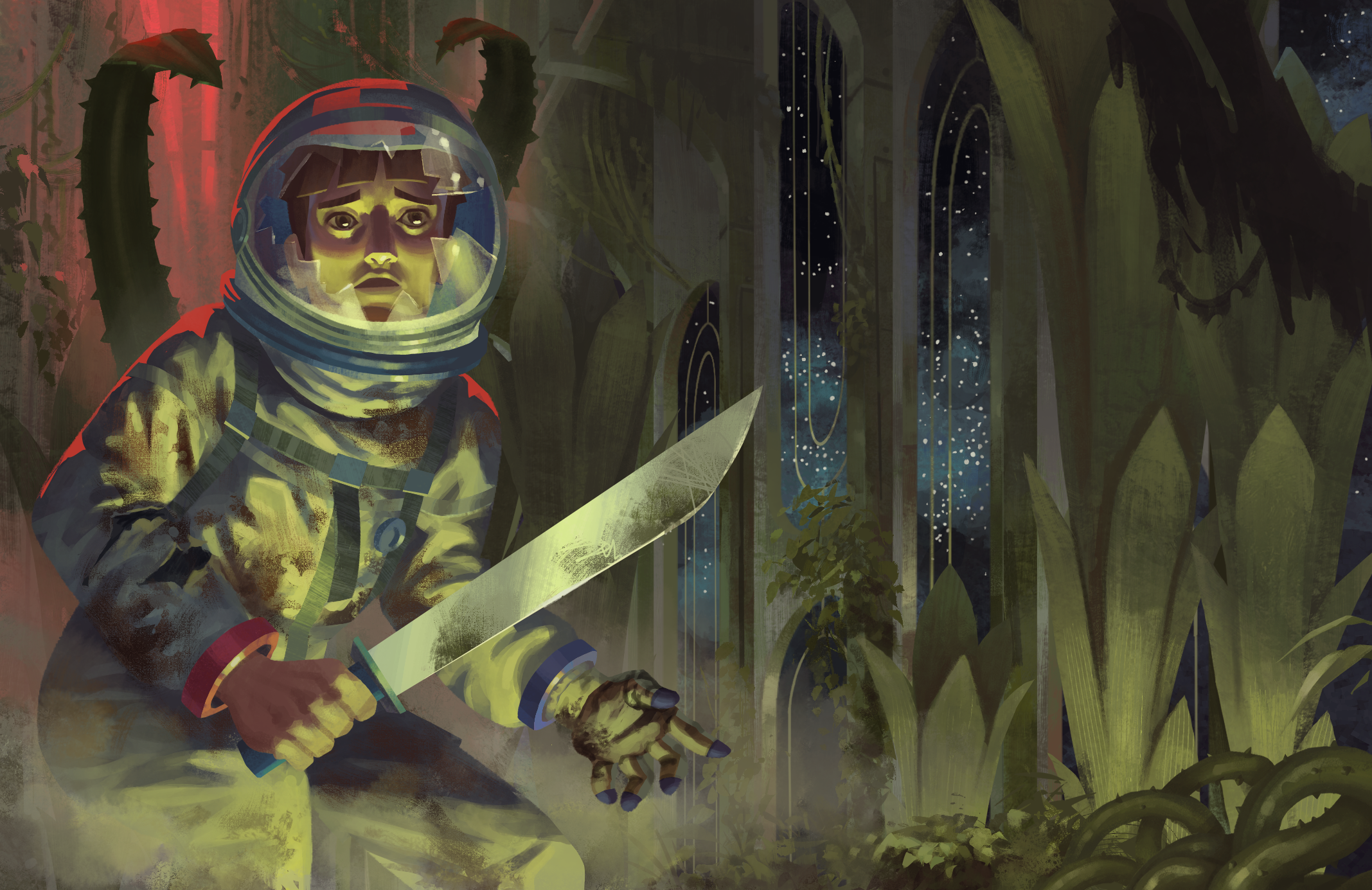
There is a particular fascination with derelict megastructures in science fiction. They represent both humanity highest ambition and its inevitable entropy. Dandelion Void places players inside that contradiction, presenting a survival RPG aboard the overgrown remains of the planetary compound Pergola, a massive facility that once carried the hopes of a colonized world and now appears consumed by an ecosystem that has evolved beyond human control.
At first glance, the project positions itself within the increasingly crowded survival crafting genre, yet its central premise immediately distinguishes it from conventional wilderness survival sandboxes. Rather than surviving in open forests, deserts, or uncharted alien wilderness, players navigate the decaying indoor infrastructure of a massive grounded installation where technological collapse and biological expansion have merged into a single environment.
The critical question before play is whether Dandelion Void can transform that premise into meaningful gameplay depth rather than environmental spectacle.
Dandelion Void Planned Release Date: some time in 2027
Roots in the Void: Unearthing the Botanical Horrors of Dandelion Void
Developed by Manzanita Interactive, a studio forged in the intricate modding fires of Project Zomboid, Dandelion Void presents a chilling brand of deep space survival dread. Set aboard the derelict generation ship known as the Pergola, the title swaps traditional zombie survival for something far more insidious. An ecosystem where the flora itself has evolved into a malicious and predatory adversary takes center stage.

The brilliance of the current demo lies in how it subverts traditional science fiction tropes. Instead of cold and sterile metallic bulkheads typical of dead vessels, players navigate a static and hand authored map that mutates organically with every run. While the physical layout of the ship remains constant, the rampant overgrowth shifts dynamically. Ventilation shafts clog unexpectedly, water pipes rupture, and medkits spoil before your eyes. This creates a severe psychological tension where familiarity breeds danger rather than comfort.
This is an intensely challenging survival experience. Like most titles in the genre, you are dropped into a bleak situation and left to figure it out while trying to stay alive in your underwear. You must cross your fingers and hope that the items you desperately need have randomly spawned in a container near you. It carries that gritty and desperate scavenging vibe where you find yourself literally starving to death and forced to eat spoiled food just to keep moving. The experience remains very rough around the edges, symbolized most fittingly by the grim reality of being forced to clean up your own puke.

True gameplay depth stems from how well these physiological and psychological survival meters interact with your desperate scavenging. The inclusion of invisible vectors like comfort, unhappiness, and environmental exertion means players cannot simply hoard food and water. Maintaining psychological equilibrium proves just as vital to survival as keeping a full stomach. Manual terminal overrides, localized lighting management, and atmospheric venting give players tangible tools to manipulate the environment.
You can turn rooms into temporary choke points or safe sanctuaries if you play your cards right. By baking a robust Lua API and custom map architecture directly into the foundation, the developers are handing the long term depth of the game over to a community already schooled in complex sandboxes.
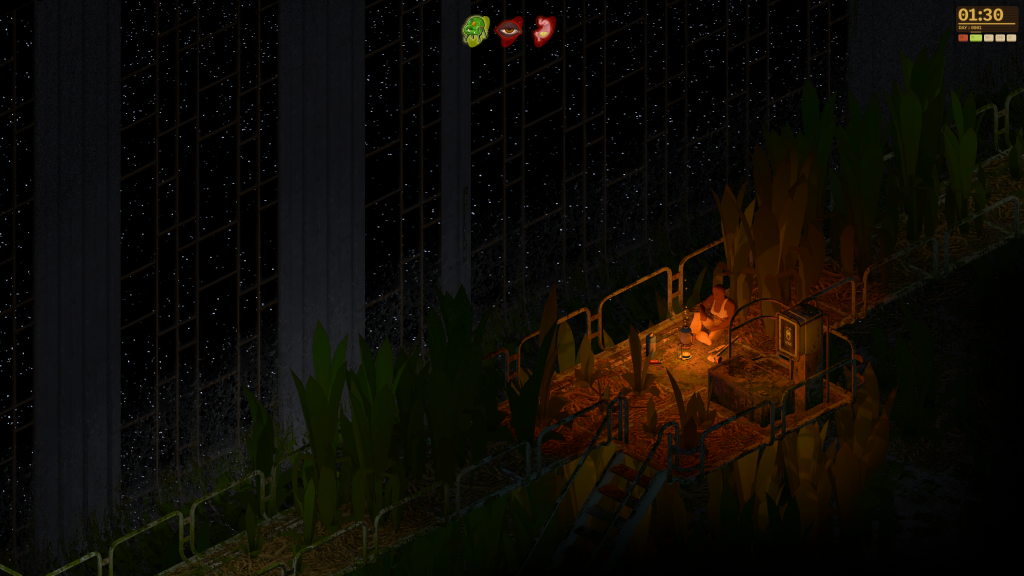
The ship layout remains structurally static, but the dynamic spread of organic matter ensures that map memorization decays over time. A corridor that was clear during an initial run might be choked with serrated tendrils or cut off entirely by ruptured water pipes during the next.
This shifts the gameplay from passive exploration to active, anxious navigation where every closed bulkhead represents a calculated gamble between securing vital 1970s-era tech or stumbling straight into an active predator’s nest.

While Dandelion Void ultimately functions as your average survival thriller that sits comfortably alongside its peers in the genre, it successfully answers the critical question of whether its premise can support meaningful gameplay depth rather than mere environmental spectacle. The terror onboard the Pergola comes from the relentless and creeping realization that the ship itself is actively digesting you.
By translating their deep understanding of sandbox mechanics into a botanical nightmare, the team has crafted a gripping vertical slice. If the full release maintains this tight equilibrium between systemic hazard and player agency, it will secure its place as a dependable modern survival sandbox.
Play the Demo! The demo may not be availible after planned release.



[…] Rogue 2 Dandelion Void https://www.octaviusreviews.com/indie-reviews/dandelion-void/ Share your […]