
Newsletter Subscribe
Enter your email address below and subscribe to our newsletter
Rising Above the Noise
 Byocta
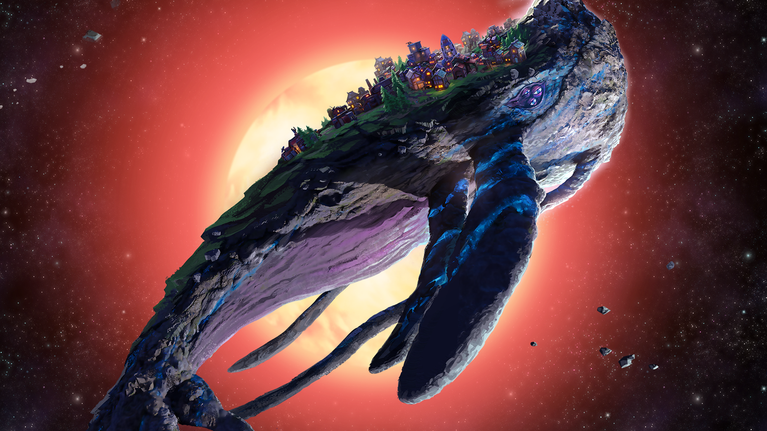
The humor in Graveyard Keeper 2 is fundamentally passive, emerging from the world’s inherent absurdity rather than from intentional comedic beats. This quality places the sequel in a distinctive position within the management simulation space, where comedy is often delivered through overt exaggeration, explicit punchlines, or mechanical chaos. Graveyard Keeper 2 instead cultivates a quieter form of amusement, one that arises from the friction between the player’s responsibilities and the surreal logic of the world they inhabit.
Coming 22 Sep, 2026
The main body of the game reinforces this passive comedic register through its expanded systems and narrative framing. Lazy Bear Games has not attempted to transform the series into a more overtly comedic product. Instead, the developers have doubled down on the idea that humor should arise from the player’s immersion in a world that behaves in ways that are both internally consistent and quietly ridiculous.
The decision to elevate the player into the role of Grand Inquisitor is emblematic of this approach. The position is treated with bureaucratic seriousness, yet the tasks associated with it often reveal the absurdity of medieval authority structures. The player monetizes sermons, rebuilds districts, and manages civic responsibilities with a tone of solemn duty, even as the surrounding world refuses to behave in a manner that supports such gravitas.
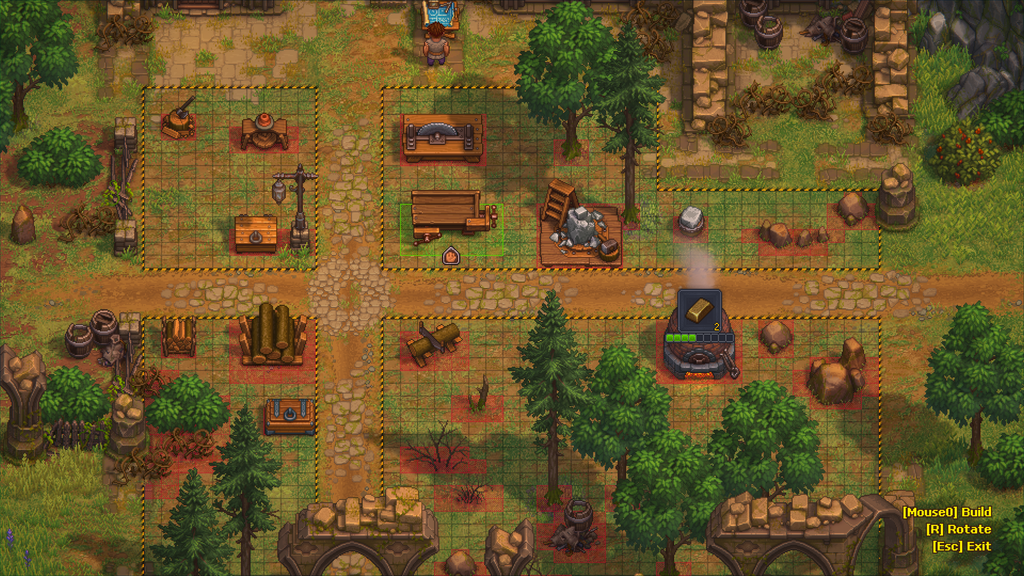
The introduction of automated zombie labor and conveyor belt style factories further amplifies this dynamic. These systems are not framed as comedic inventions. They are presented as practical solutions to logistical problems, yet their very existence creates a humorous tension. The player is encouraged to treat undead workers as reliable industrial assets, and the game never pauses to underline the absurdity of this arrangement.
The humor emerges from the player’s own recognition that they are optimizing production chains with corpses who quietly perform agricultural and industrial labor without complaint. This is the essence of the game’s comedic identity. It is not loud. It is not performative. It is the product of a world that refuses to acknowledge its own strangeness.
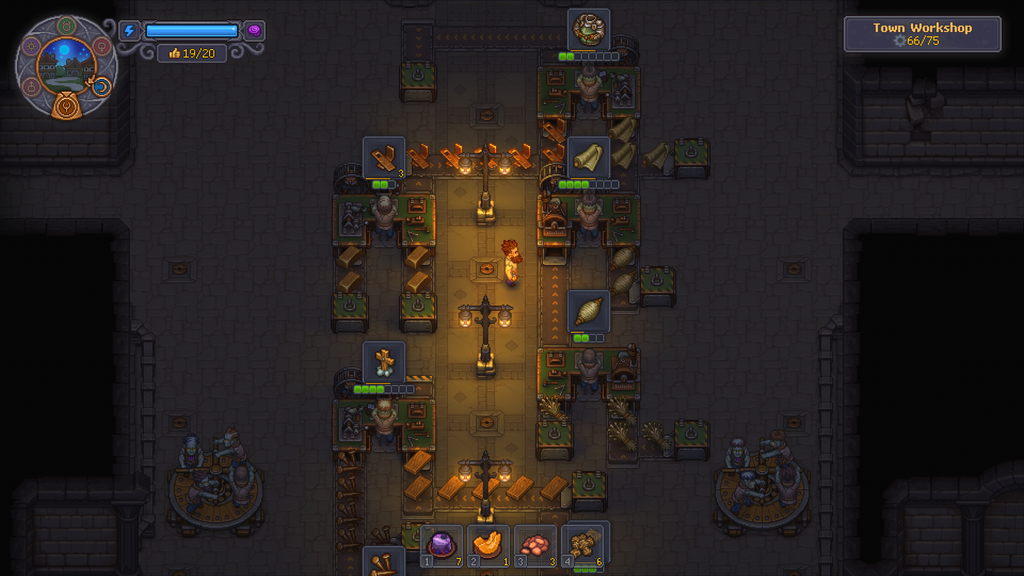
The expanded world also contributes to this passive comedic structure. The Town, once inaccessible, is now a fully explorable environment filled with characters who behave with unwavering sincerity despite the surreal conditions of their lives. Taverns, swamps, secondary graveyards, and new villages all operate with a sense of earnest purpose.
The humor arises not from scripted jokes but from the player’s gradual realization that every system, every character, and every location is slightly misaligned with conventional logic. The developers appear to be deliberately resisting the temptation to modernize the tone or introduce overt comedic beats. Instead, they preserve the series’ commitment to quiet absurdity, trusting the player to perceive the humor without being guided toward it.
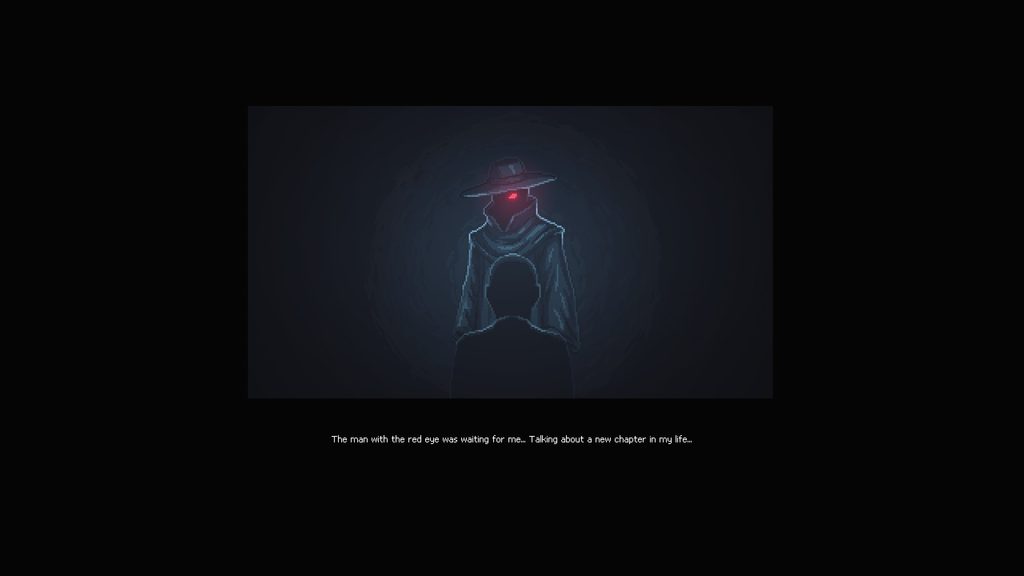
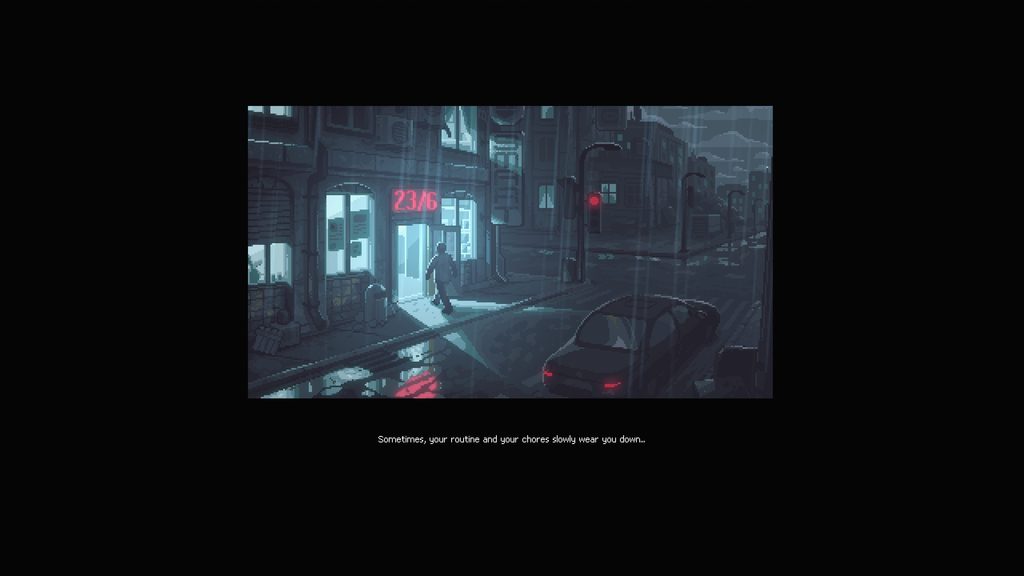
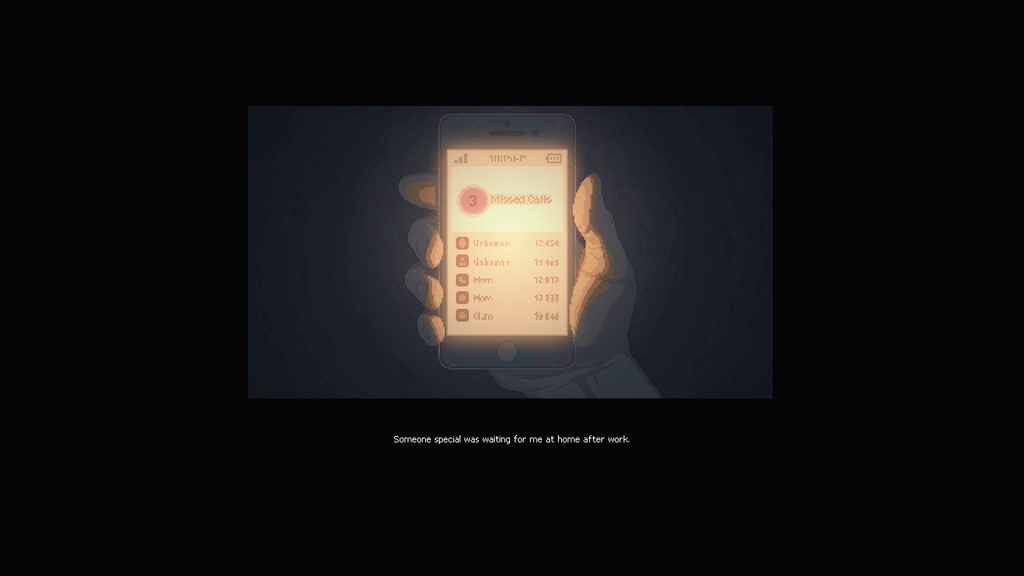
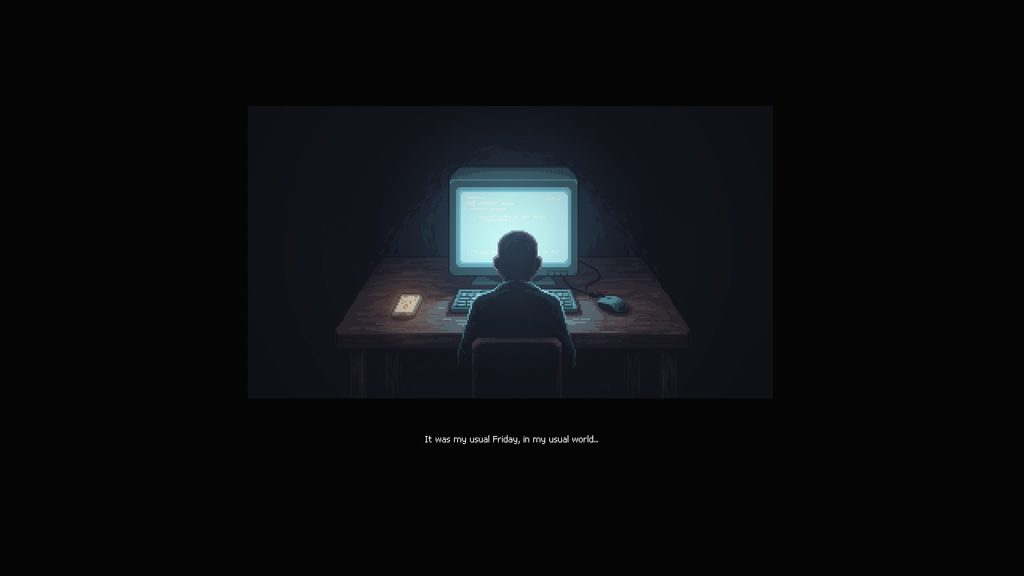
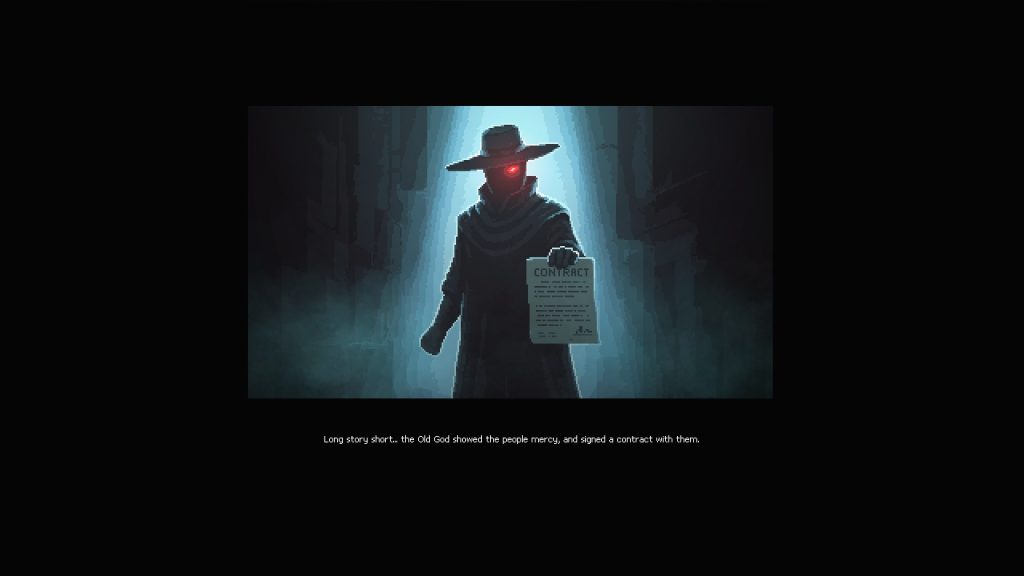
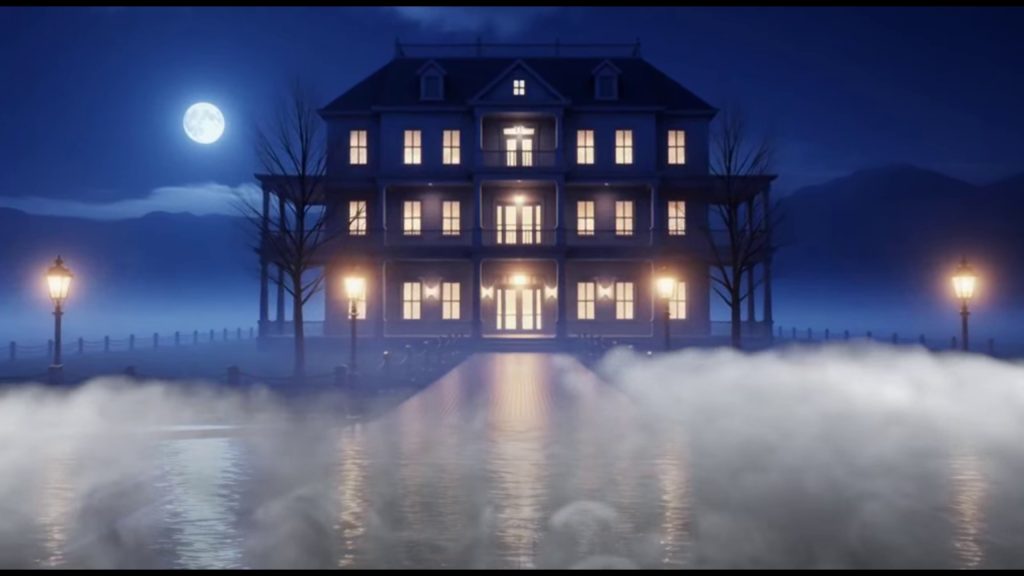
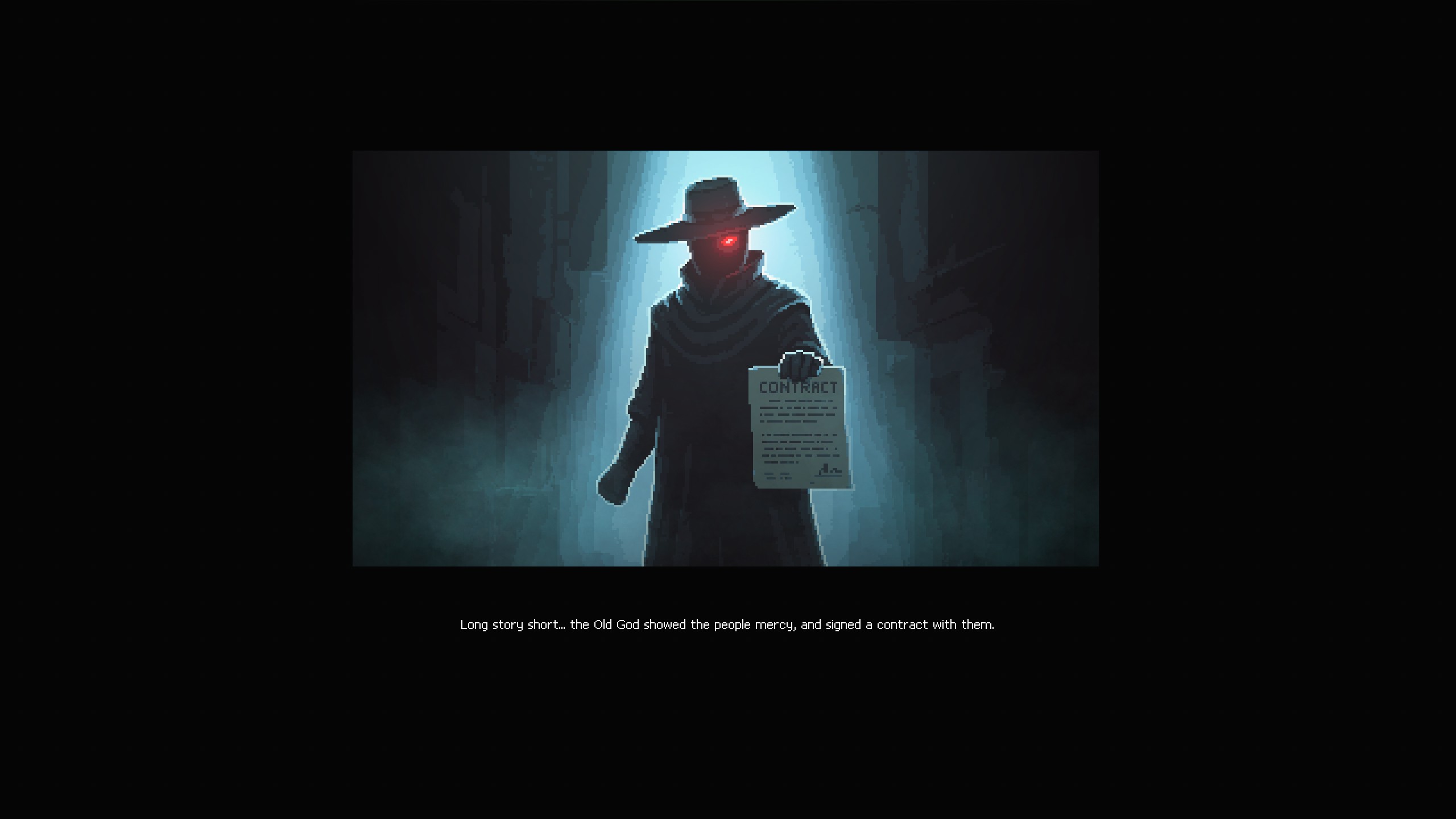
Cuts scene screen shots.

In the broader context of the management simulation genre, Graveyard Keeper 2 occupies a rare position. Many titles in this space rely on explicit comedic framing, whether through exaggerated physics, overt narrative humor, or intentionally chaotic systems. Others pursue a more serious tone, emphasizing efficiency, optimization, and strategic depth. Graveyard Keeper 2 sits between these poles.
It offers complex systems, deep progression, and a wide world to manage, yet it refuses to abandon the understated absurdity that defines its identity. The humor is not a feature layered on top of the mechanics. It is a property of the world itself. Within the genre, this places the game in a niche that values tonal subtlety over spectacle. It is a title that understands the comedic potential of quiet incongruity and uses it to shape an experience that is both distinctive and memorable.
Rating 3 out of 5 Thumbs: 👍 👍👍 (A solid title not taking itself too seriously)