

Newsletter Subscribe
Enter your email address below and subscribe to our newsletter
Rising Above the Noise
 Byocta
Fate’s Masquerade: Otome Visual Novel enters the indie visual novel field with an unusual level of structural ambition for a solo production. Created by Small Serenity Studio, the title adopts a dark fantasy framework that merges manhwa inspired aesthetics with fully animated Live2D character rigs.
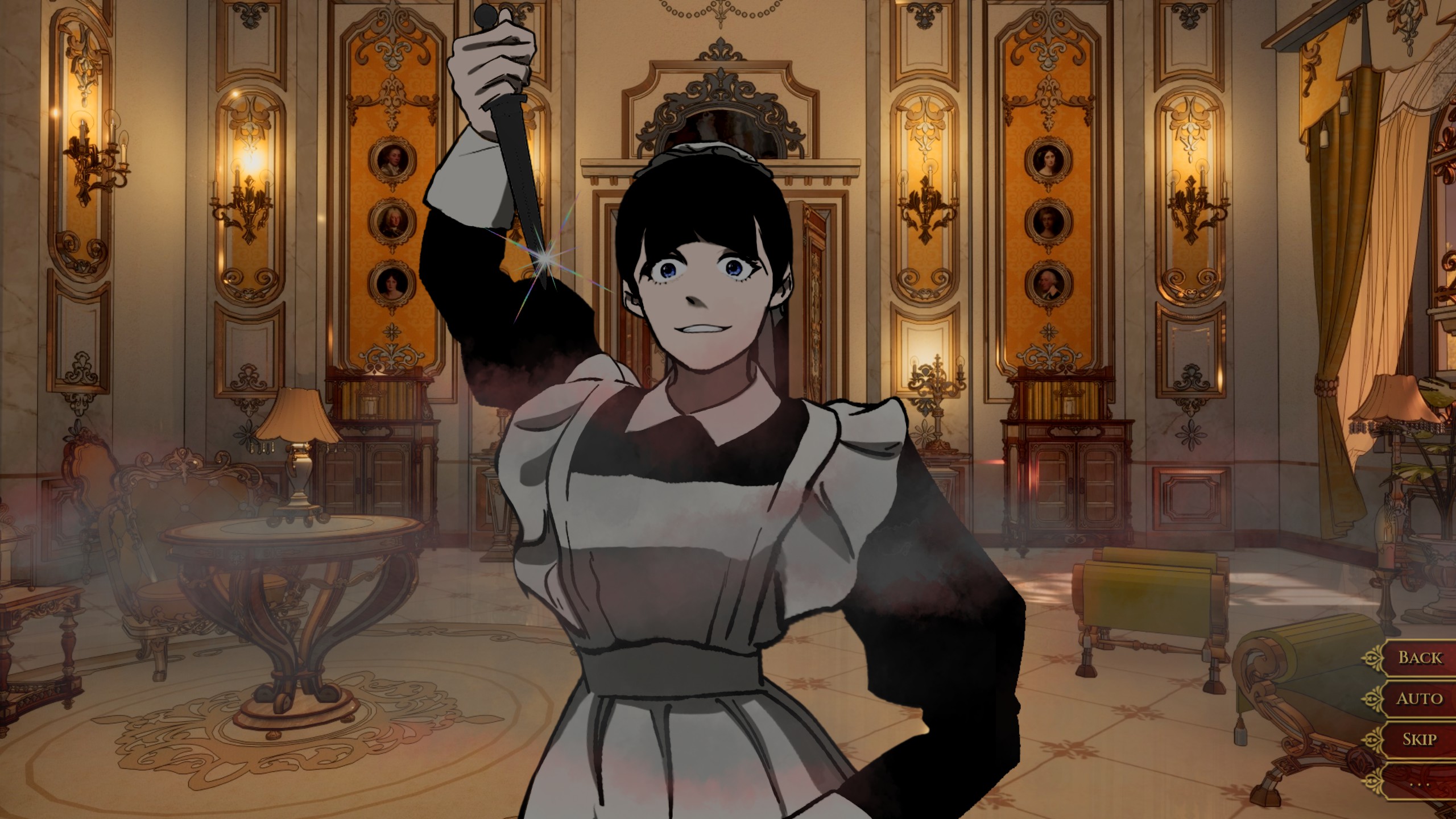
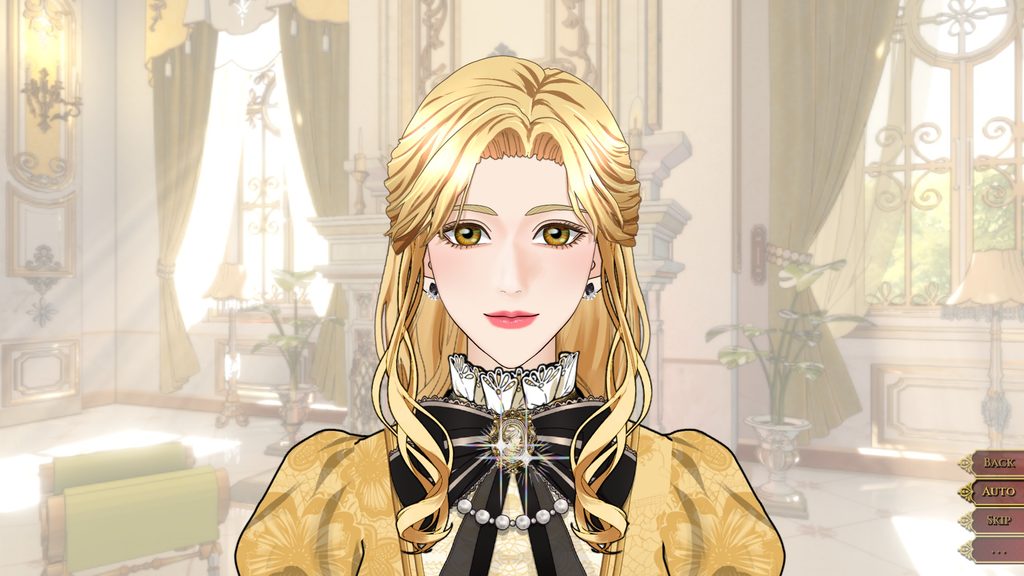
The project positions itself within the otome tradition while deliberately subverting its conventional protagonist archetypes and narrative expectations. Its premise follows Seraphina, the last surviving member of a noble house destroyed through imperial conspiracy, who infiltrates the Ravensburg palace under the guise of a governess assigned to Princess Amelia.
This infiltration is not a passive disguise but a strategic act of vengeance that places the heroine in direct proximity to the dynasty responsible for her family’s ruin. The palace becomes a stage for political manipulation, romantic tension, and systemic destabilisation, and the title’s branching architecture supports outcomes that extend far beyond the typical romantic spectrum. Fate’s Masquerade therefore presents itself as a work defined by agency, consequence, and the collision between personal vendetta and imperial authority.
The structural identity of Fate’s Masquerade is anchored in its protagonist. Seraphina is not written as a reactive figure but as an active destabiliser whose motives are shaped by trauma, calculation, and opportunistic malice. Her behaviour is not ornamental but foundational to the narrative’s progression. The routes are designed to accommodate her volatility, allowing the player to pursue strategies that range from subtle infiltration to overt political sabotage.
This anti heroine construction aligns the title with contemporary villainess fiction while maintaining the tonal gravity of dark fantasy. The romance routes do not soften her disposition but instead interrogate the tension between emotional entanglement and the pursuit of revenge.
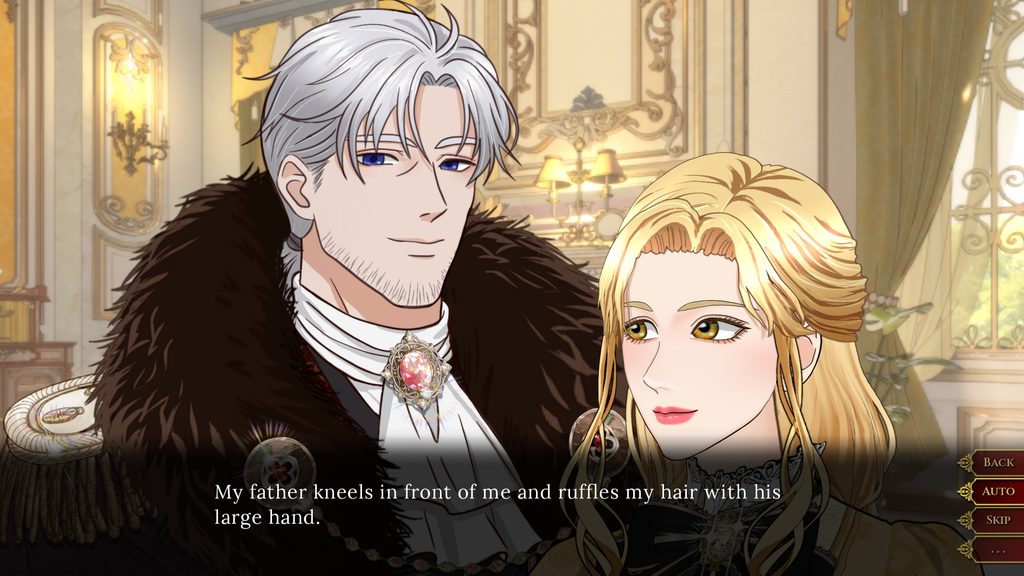
The political environment of Ravensburg is articulated through two principal figures. Maximilian Windrake, Crown Prince and Supreme Commander, embodies the martial rigidity of the empire. His engagement to Victoria Rosemoore situates him within a network of aristocratic obligation, and his route examines the conflict between imperial duty and personal conviction.
Lucian Windrake, Second Prince and Spymaster, operates within the palace’s clandestine infrastructure. His diplomatic persona conceals a system of surveillance and information control, and his route foregrounds the epistemological dimension of the narrative. Both characters serve as lenses through which the player encounters the empire’s internal fractures, and both routes recontextualise the conspiracy that destroyed Seraphina’s house.
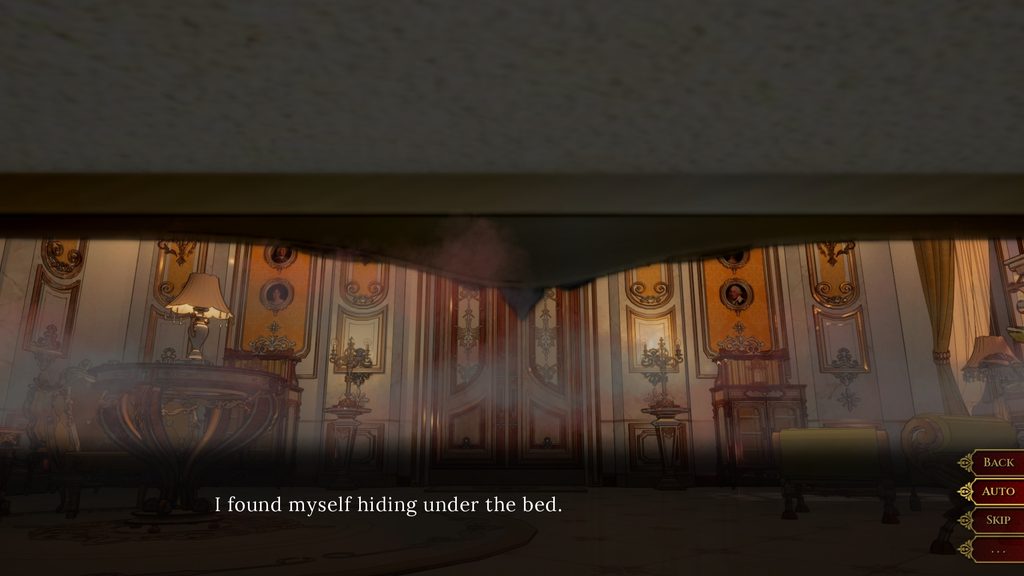
The branching architecture is one of the title’s most distinctive features. Fate’s Masquerade offers two primary routes that diverge significantly in tone, revelation, and political consequence. The structure supports more than eight endings, including regicide, execution, romantic resolution, and revolutionary upheaval.
This range of outcomes exceeds the typical scope of indie otome projects, which often restrict their bad ends to romantic failure or minor narrative collapse. Here, the consequences are systemic. The player’s choices can dismantle the imperial hierarchy or reinforce it, and the affection tracking system functions as a relational metric that influences both interpersonal dynamics and political leverage.
The production context further distinguishes the title. Live2D animation requires extensive rigging, parameter tuning, and expression mapping, and its implementation across a full cast is rare in solo Ren’Py projects. The visual presentation benefits from this ambition.
Characters blink, shift posture, and respond dynamically to dialogue, creating a sense of vitality that elevates the narrative’s emotional cadence. The manhwa inspired aesthetic reinforces this dynamism through ornate costuming, expressive silhouettes, and a colour palette that emphasises the contrast between imperial opulence and personal ruin.
Fate’s Masquerade therefore occupies a unique position within the indie visual novel sphere. Its anti heroine agency, political stakes, and animated presentation combine to form a work that challenges the structural conventions of otome design.
The title’s commitment to consequence driven storytelling and its willingness to embrace extreme narrative outcomes mark it as a project that seeks to expand the boundaries of its genre rather than merely participate in it.
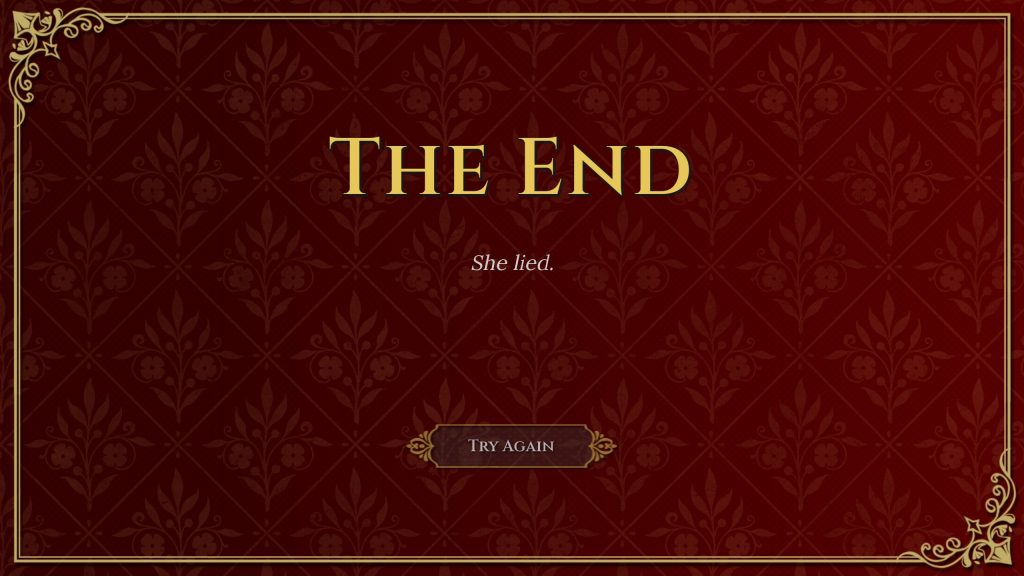
and yes, I got Murdered in the first few scenes of the game!
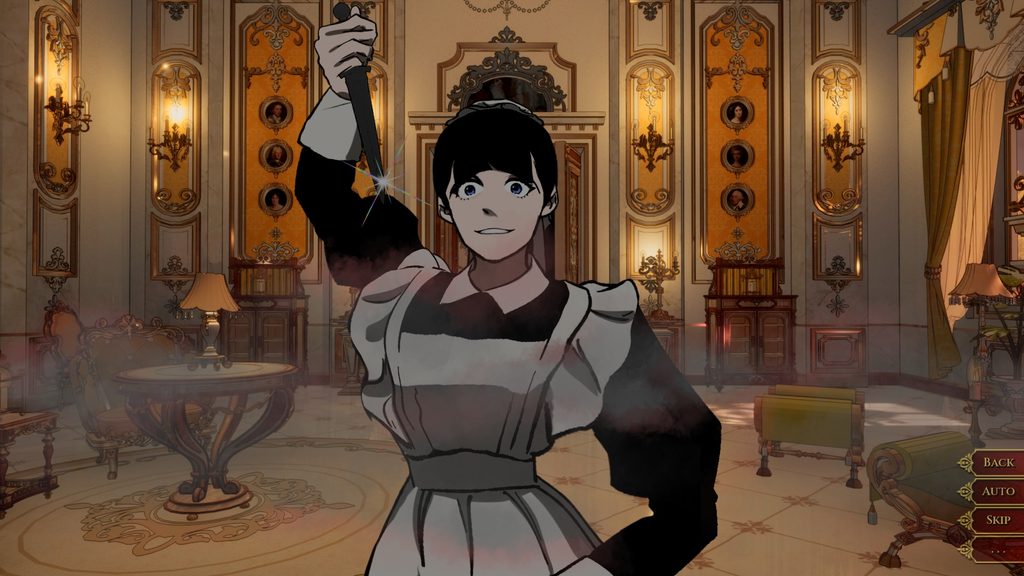
Fate’s Masquerade: Otome Visual Novel on Steam


[…] Fate’s Masquerade: Otome Visual Novel https://www.octaviusreviews.com/upcoming-releases/fates-masquerade-otome-visual-novel/ Tulpa the Unseen Lover https://www.octaviusreviews.com/upcoming-releases/tulpa-the-unseen-lover/ The Cooking Club https://www.octaviusreviews.com/early-access/the-cooking-club/ Share your love […]
[…] Boo! – Octavius Reviews Fate’s Masquerade: Otome Visual Novel […]