

Newsletter Subscribe
Enter your email address below and subscribe to our newsletter

Rising Above the Noise

 Byocta
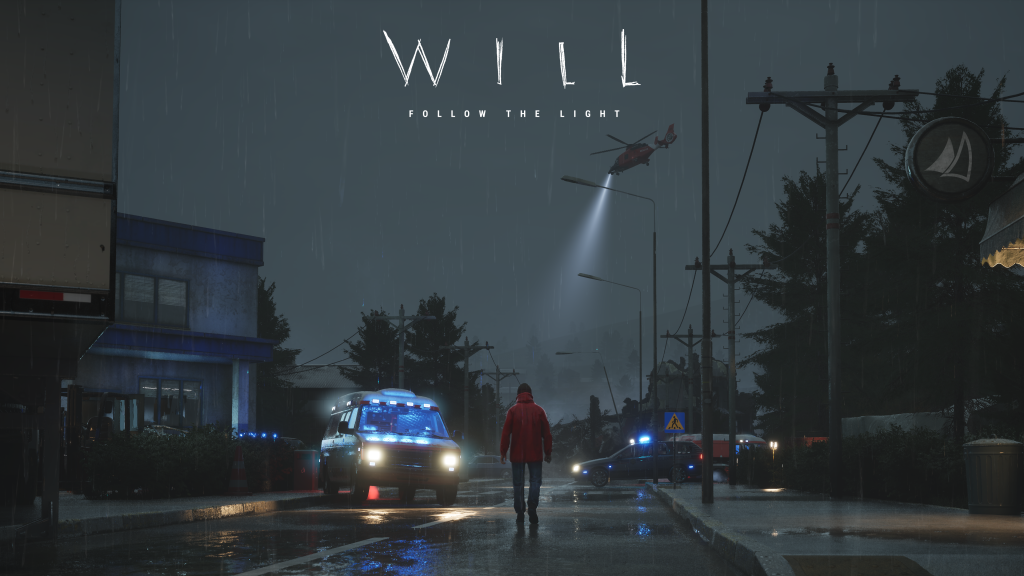
WILL: Follow the Light begins with the steady logic of routine. The game opens not with a cinematic crisis, but with Will performing the solitary, precise maintenance tasks required to keep his lighthouse operational. He moves through the familiar architecture of his post, completely at ease with the environment. The narrative builds up off a strong storm moving into the region, a meteorological reality that is entirely common for these coastal villages. For communities nestled against the unforgiving northern elements, these intense storms are a frequent occurrence, validating the absolute necessity of the lighthouse beacon. Everything Will is doing on the island with the lighthouse is completely normal for him, a familiar choreography of routine against the weather.
Tension only really begins to build once the radio crackles to life and he is explicitly told that he needs to go home because something has happened on the mainland. Even as he leaves his post behind, steps onto his sail boat, and begins to cross the very stormy sea, Will remains entirely confident in his actions.
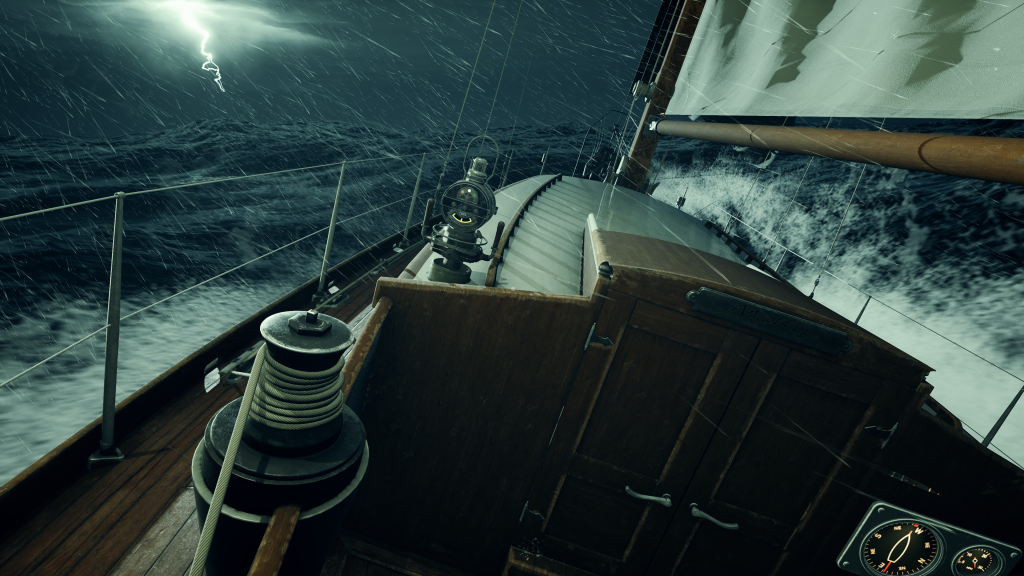
It is only when he reaches the mainland, discovering the catastrophic reality of a localized mudslide and the splintered ruin of his own house, that his focus completely shifts. With heavy torrential rain, destructive mudslides are a known environmental hazard, but seeing his private sanctuary physically obliterated changes the stakes entirely. Yet, those expecting the narrative to maintain this high stakes dramatic tension or transition into a grueling logistical challenge will find that the actual survival realism is minimal. The anticipated panic never materializes. Will does not experience a single moment of absolute terror or emotional collapse; instead, the experience quickly shifts into a slow burn, systematic trek across the northern archipelago.
The mechanical reality of this search reveals itself to be a source of intense narrative friction rather than organic tension. Because the survival realism is completely dialed back, the stormy environment poses no genuine systemic threat to the player. Instead, the game routinely sabotages its own pacing through arbitrary progression gates. The player is trapped in an architectural grid where they cannot advance until they solve basic puzzles and uncover specific hidden objects scattered across the surroundings. This requirement to scan the environment for obscure clues turns what should be an urgent tracking mission into a tedious compliance check, forcing methodical exploration where there should be desperate momentum.


This friction is further complicated by a sudden tonal shift in the narrative architecture. Midway through the journey, the game introduces supernatural elements, utilizing a mystical item that allows Will to expiereince literal projections of past events. From this juncture, the physical threat of the archipelago becomes mere background dressing for an internal therapeutic exercise regarding generational trauma and isolation. By shifting away from grounded survival and into the realm of magical realism, TomorrowHead Studio sacrifices the gritty urgency of the opening act. The final resolution aims for emotional closure, returning the player to the physical realities of the wreckage, but the journey to get there feels less like a triumph over nature and more like a carefully controlled walk through a beautifully rendered, nonlinear grief seminar.
The release arrived on May 7th, and early reception reflects the nature of the experience.
Rating 2 out of 5 Thumbs: 👍 👍 (as a narrative exploration adventure with environmental traversal drama.) Feelings Metric: 🦶 🦶 (atmospheric survival tension.)
Talk about a Drama! Tell us what you think in the comments below.

Comments are closed.

[…] WILL: Follow the Light […]