

Newsletter Subscribe
Enter your email address below and subscribe to our newsletter

Rising Above the Noise

 Byocta
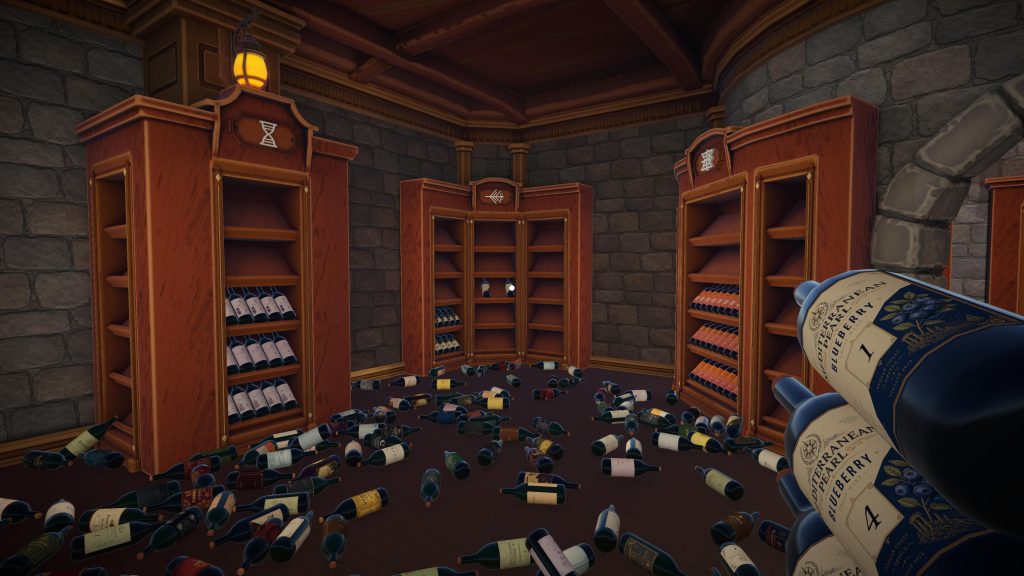
The digital landscape of modern PC gaming exhibits an idiosyncratic obsession with tactile tidying. We have observed the steady proliferation of niche titles wherein mundane labor is transformed into a sanctuary of systemic control. Within this hyper specific locus lies Cellar Keeper, an atmospheric first person organization simulator developed by the Istanbul based studio EgoTrampoline. Built upon a singular, unyielding premise, the game demands the cataloging and restitution of exactly 2,448 disparate wine bottles strewn across a subterranean vault.
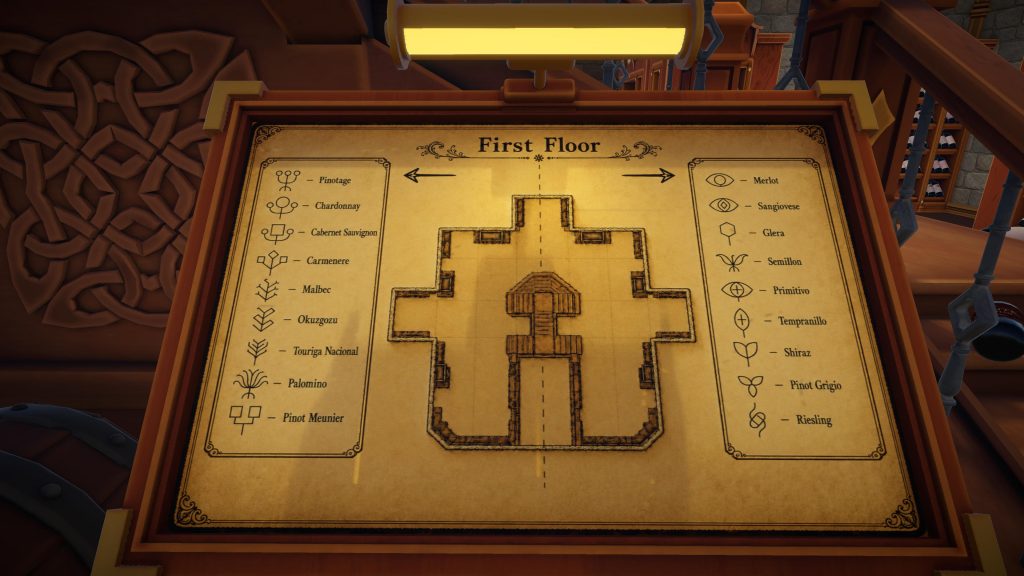
At its core, Cellar Keeper operates on the pure kinetic satisfaction of meticulous sorting. The player is confronted with total spatial entropy. The overarching objective requires systematic identification of bottle varieties, label taxonomies, and vintage categories to populate the corresponding subterranean racks.
The title provides two distinct operational paradigms:
Rather than presenting an abstraction of physical labor, EgoTrampoline overlays the mechanics with a light folklore narrative. The premise positions the player as the restorer of an estate cellar whose former owner attempted an esoteric preservation spell. The failed ritual transformed the eccentric collector into an avian captive, leaving the player to restore systemic harmony rack by rack to break the enchantment.
Visual progression is intrinsically tied to mechanical completion. As thousands of individual items move from chaotic clutter to structured displays, the subterranean environment shifts dynamically. Dust clears, stone masonry brightens, and the visual noise of the environment settles into an aesthetic tapestry of curated collection.
Cellar Keeper stands as a quintessential exemplar of the micro organization genre. It eschews sprawling scope in favor of immaculate mechanical focus, offering an engrossing exercise in spatial control.
Cellar Keeper blends indie puzzle design with creeping basement horror, pulling you deeper through unsettling rooms and smart, escalating challenges.
The aesthetic framework provides functional clarity but lacks artistic distinction or atmospheric depth.
The core interaction fails to sustain interest or reward strategic play.
The title relies entirely on high object counts rather than genuine structural scope.
Within the broader landscape of organization simulators and micro sorting games, Cellar Keeper attempts to build an entire experience around a singular, high density task. While mechanically functional, its narrow focus and steep drop off in structural engagement reveal significant design limitations..Evaluating the title through our dimensional ranking framework provides clear, objective backing for a 1 out of 5 Thumbs rating
Rating 1 out of 5 Thumbs: 👍 (suitable for those who loved “Librarian“)