

Newsletter Subscribe
Enter your email address below and subscribe to our newsletter

Rising Above the Noise
 Byocta
Warota I Live Next to The Demon King’s Castle LOL:
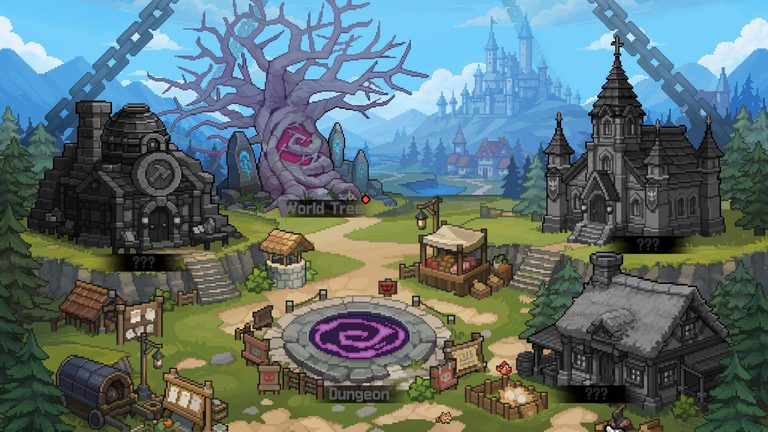
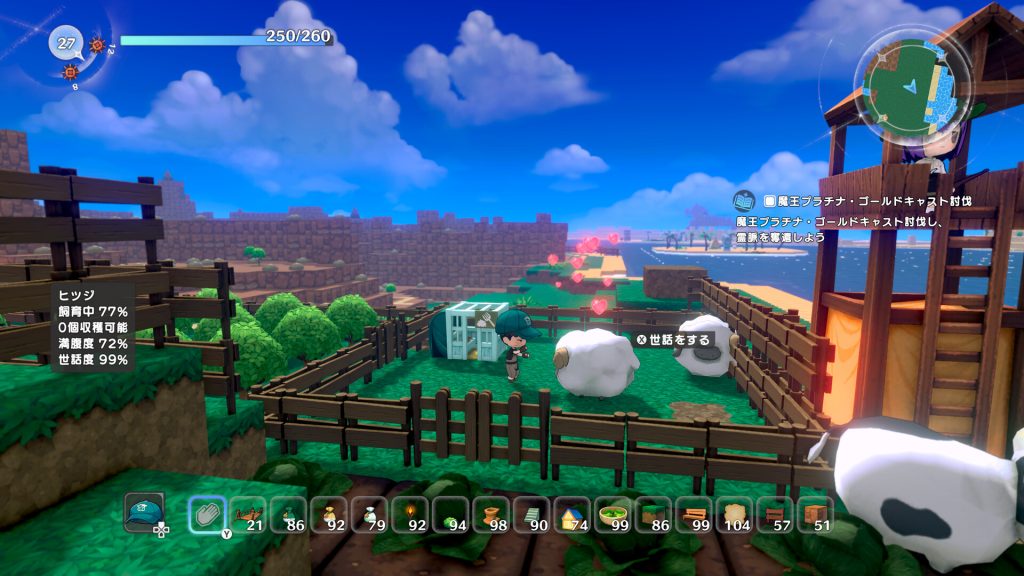
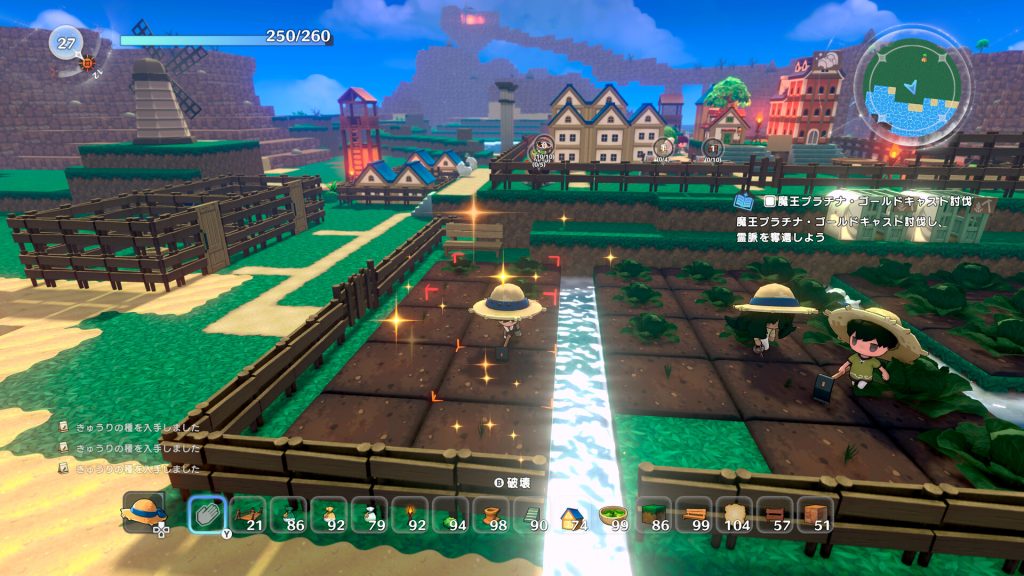
The Unholy Genre Mashup: Warota is a creative Chimera. It begins as a cozy, FarmVille style city builder where players construct over thirty buildings and automate their village. It then shifts into a defense RPG where players swap between twenty distinct, hat based classes to survive chaotic raids.
The current year reveals a striking dichotomy in the landscape of interactive media, presenting us with two entirely disparate monuments to human ingenuity. On one hand, we observe Simulario, an austere testament to graphics processing unit compute shaders and deterministic mathematics that proudly eschews the commercial concessions of contemporary early access releases. On the other hand, we are confronted by the unapologetically ludicrous Warota, subtitled I Live Next to The Demon King’s Castle LOL, a project that completely abandons academic Newtonian constraints to construct a surreal shrine to genre hybridization.
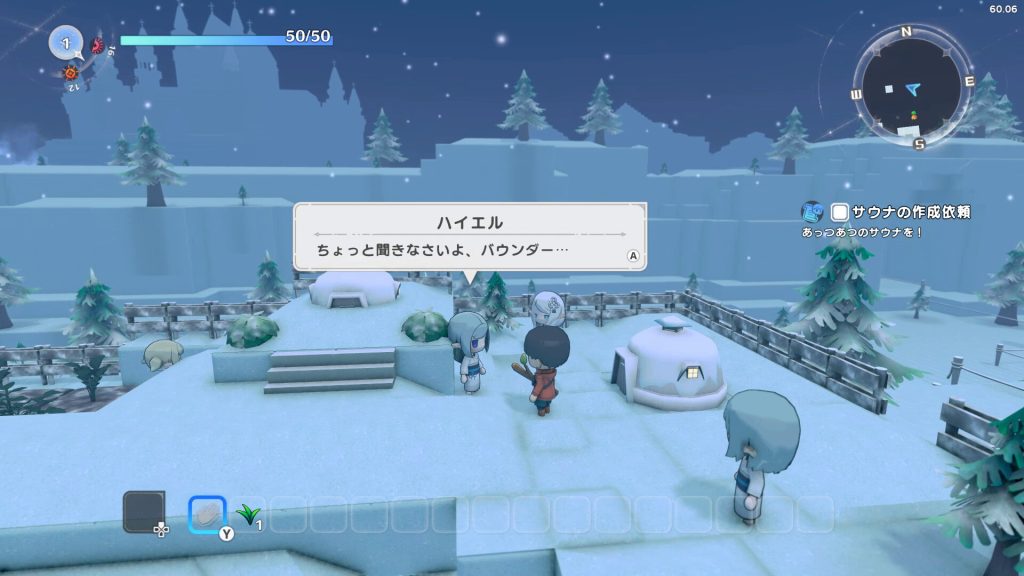
Beneath its verbose title, which mimics the worst excesses of contemporary light novels, Warota operates as a chimeric marvel. It begins by lulling the player into the placid, pastoral rhythms of community development, reminiscent of casual agricultural simulations. Yet, this idyllic facade is swiftly demolished, giving way to a frantic tactical defense roleplaying game. Here, class progression is dictated not by traditional experience, but by a whimsical rotation of twenty distinct hats.
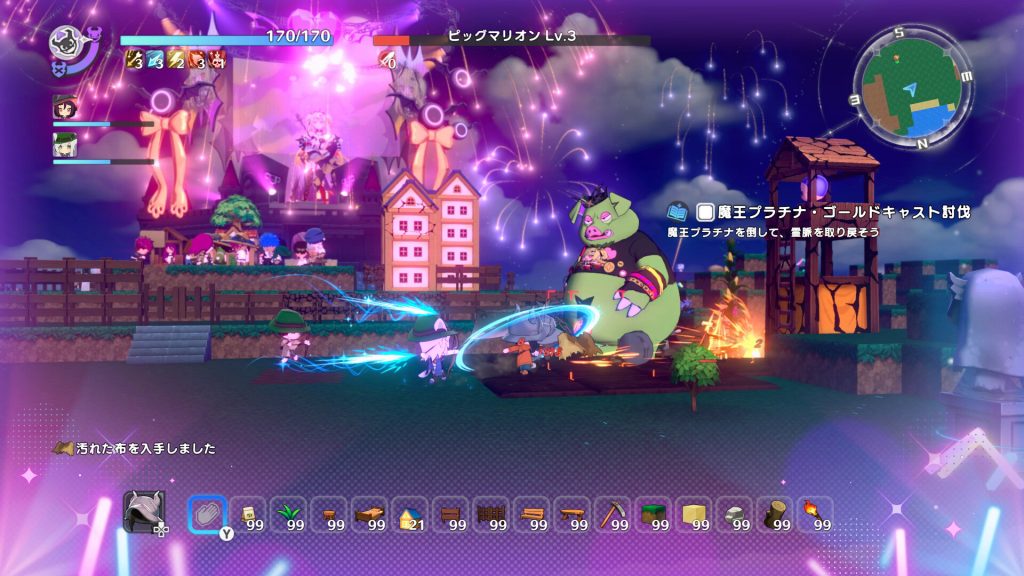
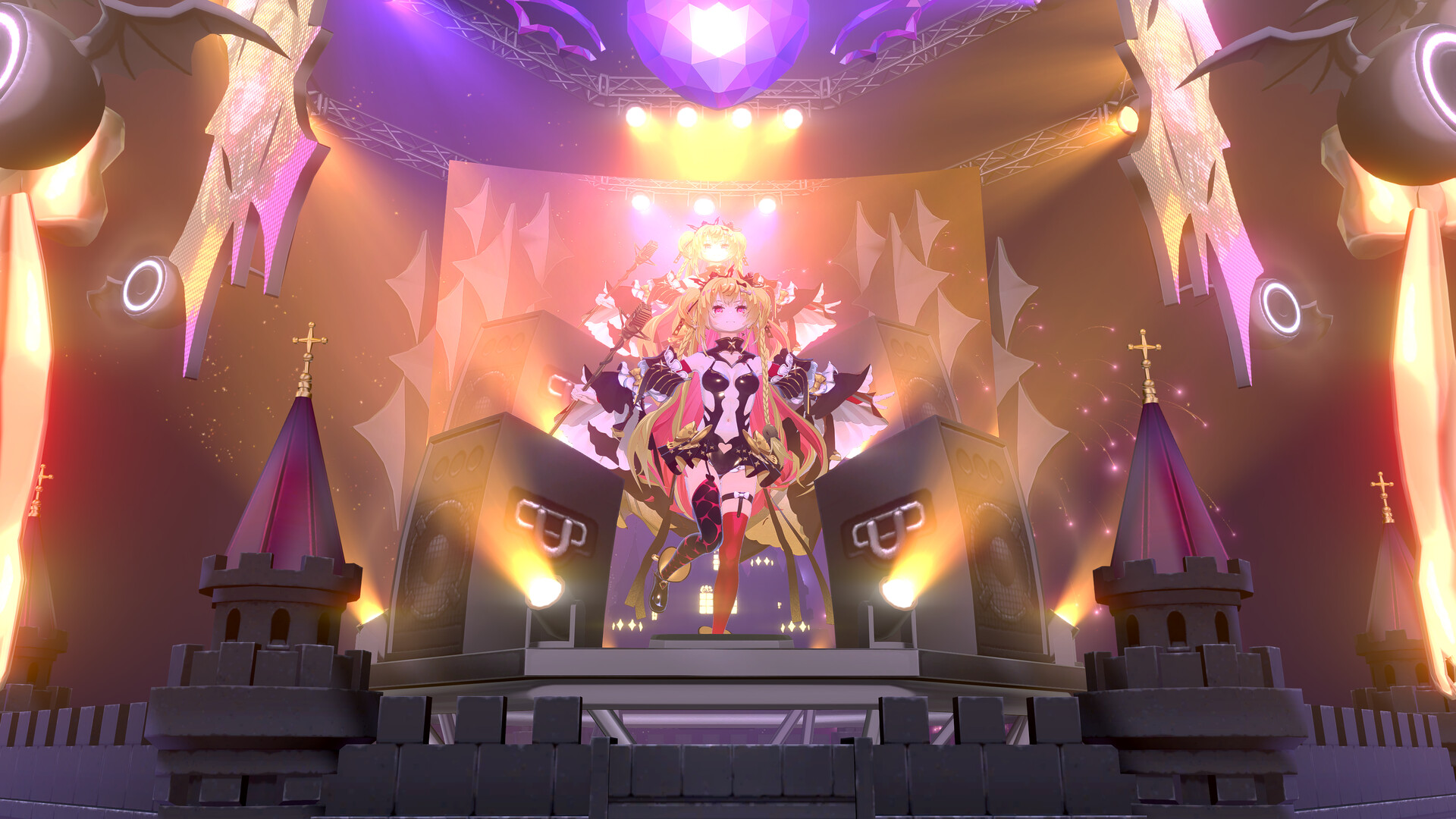
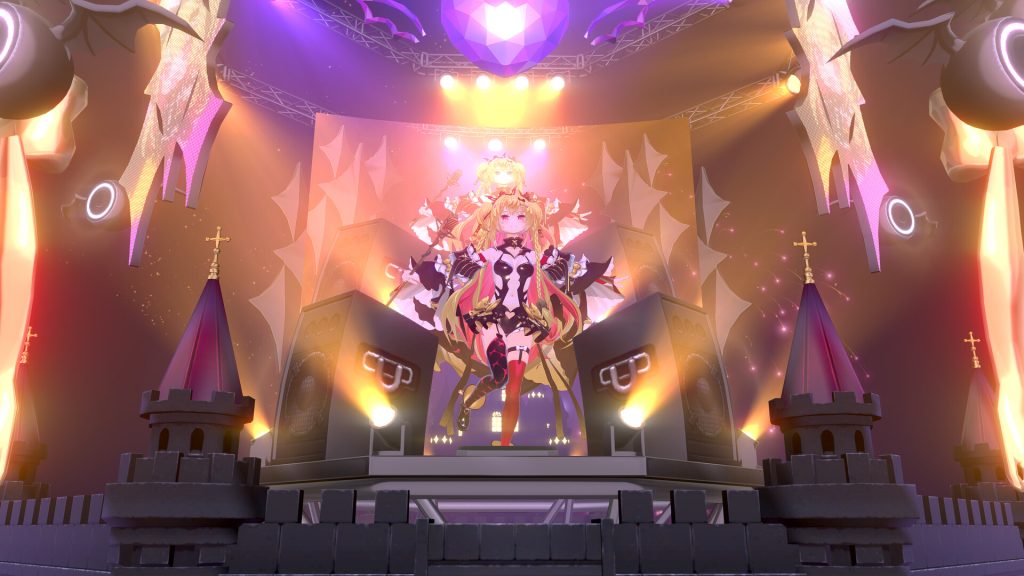
The narrative impetus for this mechanical transition is delightfully preposterous. Your municipal tranquility is perpetually threatened by a diminutive pop idol who moonlights as the local Demon King. Her boisterous live performances act as a sonic beacon, whipping the regional fauna into an aggressive frenzy. Curiously, the resulting adversaries are represented as porcine monstrosities, a translation of the traditional European orc that remains deeply rooted in the historical idiosyncrasies of Japanese cultural adaptation.
For all its ostentatious silliness, Warota avoids the cheap intellectual bankruptcy of contemporary internet memes. It treats its audience with unexpected gravity, offering robust automated systems and remarkably sophisticated combat. When contrasted with the uncompromising digital physics of Simulario, Warota proves that whether through rigid mathematics or calculated absurdity, creative eccentricity remains the only viable defense against the homogenizing forces of modern corporate game development.
Warota: I Live Next to The Demon King’s Castle LOL Planned Release Date: 2026
Warota sits in a very unusual position inside the broader genre ecosystem because it is not a single genre at all. It is a deliberate chimera. The page you are editing already captures the core idea: Warota begins as a cozy, FarmVille style city builder, then mutates into a comedic demon lord sitcom, then folds in dungeon crawling, resource management, and light narrative progression. This hybrid structure places Warota in the same lineage as titles that intentionally break genre boundaries rather than inhabit one clean category.
Within the cozy builder space, Warota is more chaotic and comedic than its peers. It refuses the slow, pastoral tone of games like Stardew Valley or My Time at Portia and instead uses humor and absurdity as its primary emotional driver. Within the isekai and demon lord comedy space, it stands out because it gives the player direct mechanical control over the environment rather than simply presenting a narrative. Within the light RPG space, it is intentionally shallow, using RPG elements as seasoning rather than a core identity.
This makes Warota interesting because it is not trying to compete with genre leaders. It is trying to create a playful, unpredictable hybrid that feels like a social media meme turned into a game system. Its strength is its willingness to be unserious. Its weakness is that players who expect depth in any one genre will not find it. But as a genre experiment, Warota is lively, self aware, and intentionally offbeat, which gives it a distinct identity in a crowded market.