

Newsletter Subscribe
Enter your email address below and subscribe to our newsletter

Rising Above the Noise
 Byocta
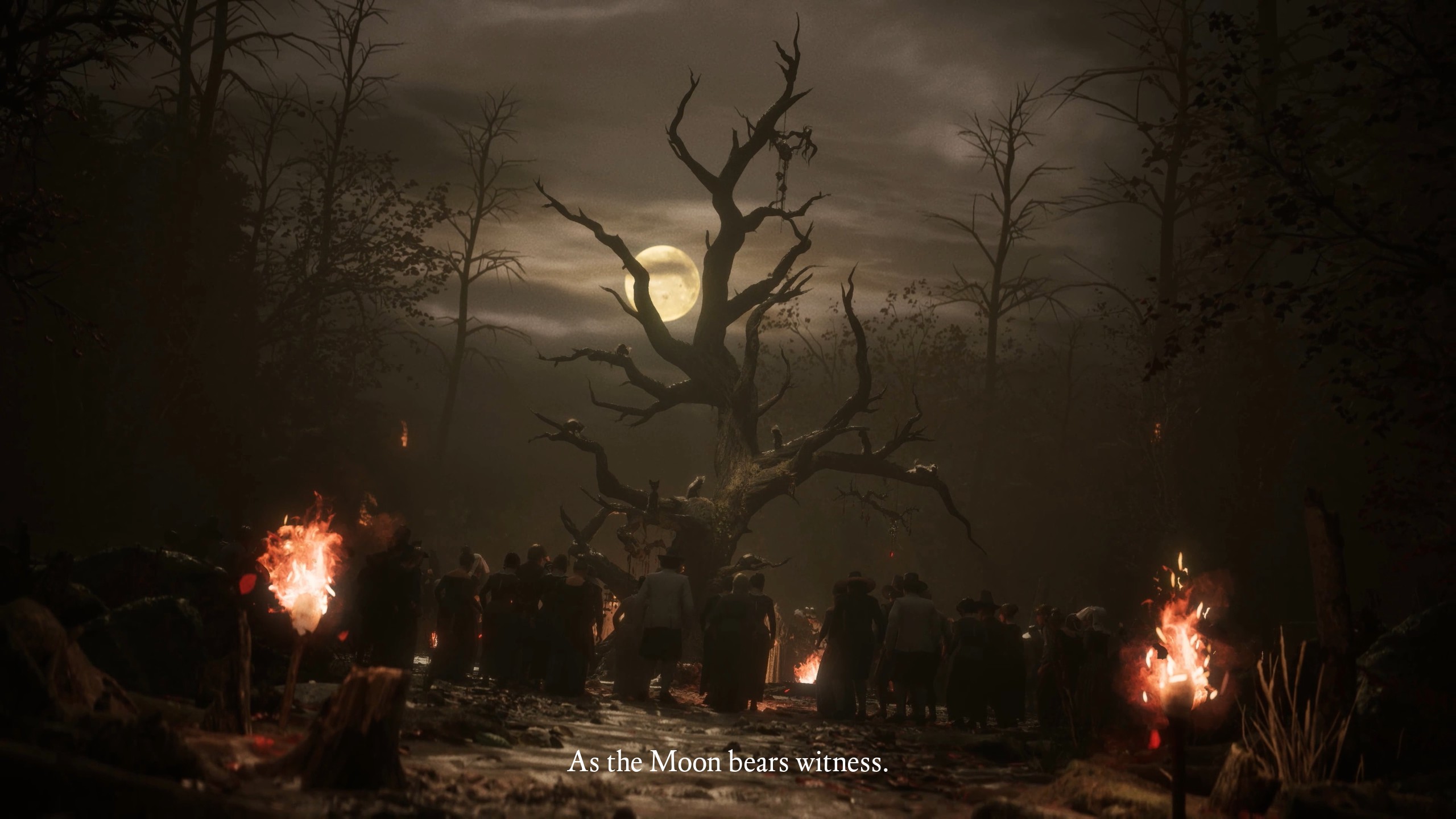
An intellectual masterclass in dark academia. Panache Digital Games leverages the visual vocabulary of Rembrandt and the Zaindaris mythos to position 1666 Amsterdam on the absolute precipice of higher ascension.
The prologue’s most striking achievement is its refusal to behave like a game. It conducts itself as a ceremonial passage. The player is not invited to act. The player is invited to witness. This is the core of its seduction. The work constructs a cinematic corridor so meticulously orchestrated that the audience mistakes orchestration for depth. The illusion of ascension is not a thematic flourish. It is the operational logic of the entire production. The viewer is lifted, guided, and positioned with the precision of a camera apparatus. The sensation of agency dissolves into the sensation of being curated.
This is the phenomenon that has propelled the title into cultural orbit. The public is not responding to mechanics. They are responding to conviction. Amsterdam radiates an aesthetic certainty so overwhelming that the viewer accepts its authority before understanding its terms. The prologue does not persuade. It imposes. It constructs a metaphysical architecture whose internal logic is absorbed instinctively. The audience consents to its gravity without realizing they have done so.
The library sequence becomes the axis of this gravitational pull. It is not a location. It is a thesis. The architecture carries the solemnity of a cathedral. The lighting behaves like a museum installation. Every frame communicates that knowledge is a volatile substance. The protagonist’s attempt to decipher her father’s inheritance becomes a descent into a lineage that predates her by centuries. The Zaindaris emerge not as an order but as a pressure. Their presence is felt long before it is articulated. Their authority is accepted long before it is interrogated.
This is the prologue’s most effective sleight of hand. It constructs a cosmology so assured that the audience internalizes its hierarchy without resistance. The Collector is not introduced. The Collector is assumed. The equilibrium of the world is not justified. It is asserted. The ambiguity surrounding the Zaindaris is not a narrative gap. It is a deliberate suspension. The viewer is held between two incompatible interpretations. Either this order is a stabilizing force preventing cosmic collapse or it is a hereditary cult that has mythologized its own power to the point of self sanctification.
The brilliance lies in the refusal to resolve this tension. Instead, the work intensifies it. The historical veneer behaves like a mask stretched over something older and more dangerous. The seventeenth century aesthetic is not a reconstruction. It is a ritual costume. The occultism is not decorative. It is infrastructural. The prologue suggests that history is not a sequence of events but a living architecture that continues to exert force upon the present. The player is not exploring Amsterdam. The player is navigating a stratified system of belief.
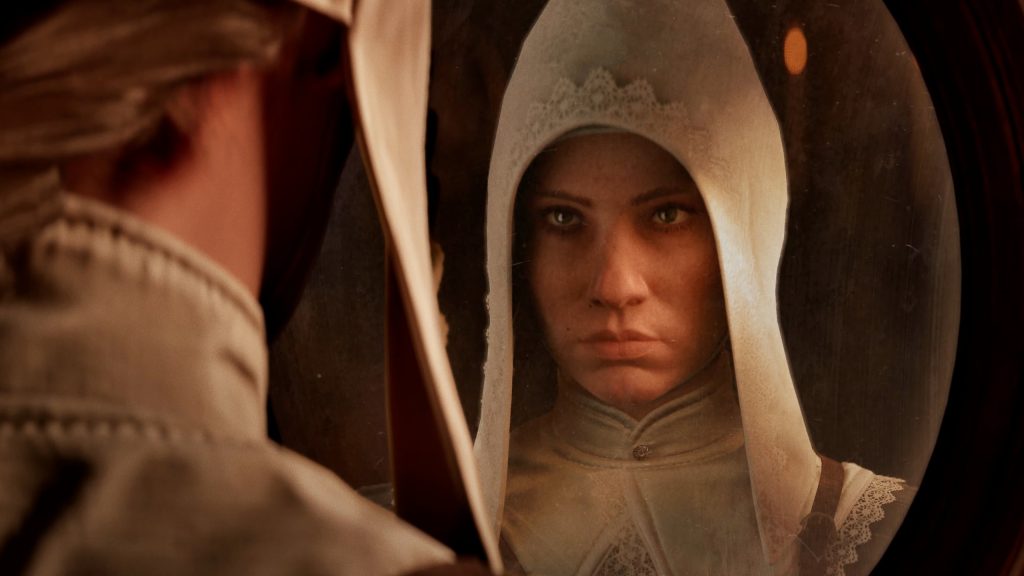
The university library sequence stands as the operational heart of the entire experience. Panache avoids the predictable vocabulary of cheap horror and instead constructs a sophisticated tension that demands intellectual engagement. The setting is dense, saturated with the brooding visual grammar of Rembrandt and the Dutch Masters. This is atmospheric occultism operating at its highest register.
The protagonist’s search for her father’s cryptic inheritance becomes the aperture through which the cosmic scaffolding reveals itself. The Zaindaris are positioned as an ancient order whose influence extends far beyond the historical frame. The initiation into the role of Collector reframes the protagonist not as a participant in a historical drama but as a custodian of equilibrium. The audience is left suspended between awe and suspicion, uncertain whether this order represents preservation or indoctrination. The ambiguity is intentional. The uncertainty is the point.
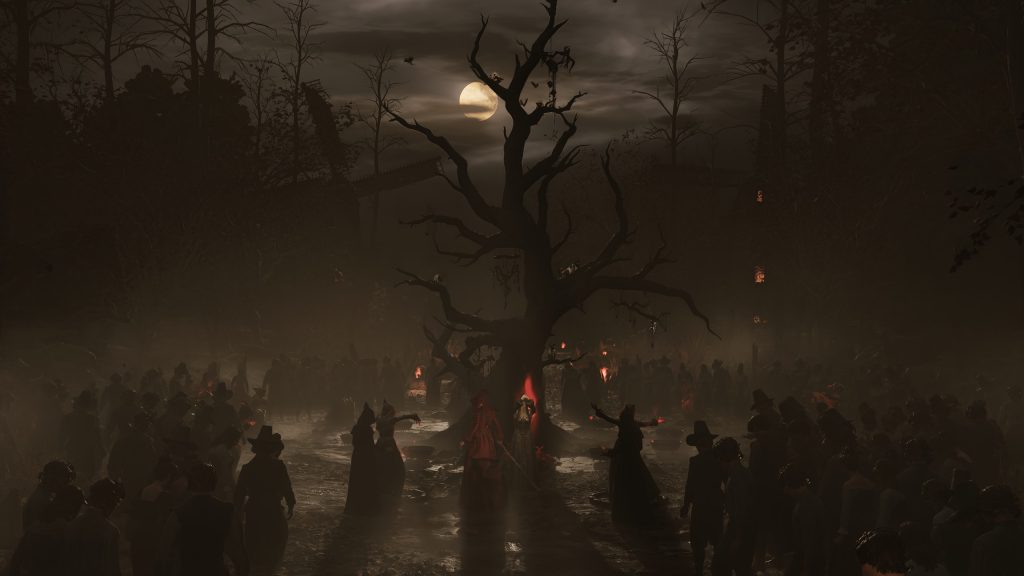
The critical truth must be stated plainly. An immaculate prologue is not evidence of systemic fidelity. A masterclass in game cinema does not inherently translate into mechanical truth. Because Panache has chosen to present this introduction as a purely narrative slice, the actual interactive engine remains unseen. The tracking, the social simulation, the systemic interplay, and the eventual confrontation with the Originals during the Esbat all remain concealed behind a theatrical curtain.
The visual triumphs of the prologue are indisputable. The composition, the shadow work, the historical fidelity, and the atmospheric density represent the highest tier of contemporary game cinema. Yet this beauty functions as a preemptive strike against early criticism. Panache currently occupies a precarious position. The studio stands on the threshold of prestige, commanding attention through theatrical authority rather than systemic revelation.
The prologue is extraordinary. It is a narrative hook of rare potency. It is a demonstration of aesthetic mastery. It is a controlled hallucination of remarkable confidence. But it is not the game. Until the interactive core is revealed, the work must be treated as a promise rather than a fulfillment. We will marvel at this flawless curtain for now, but our definitive judgment remains suspended until the underlying machinery is allowed to speak for itself.
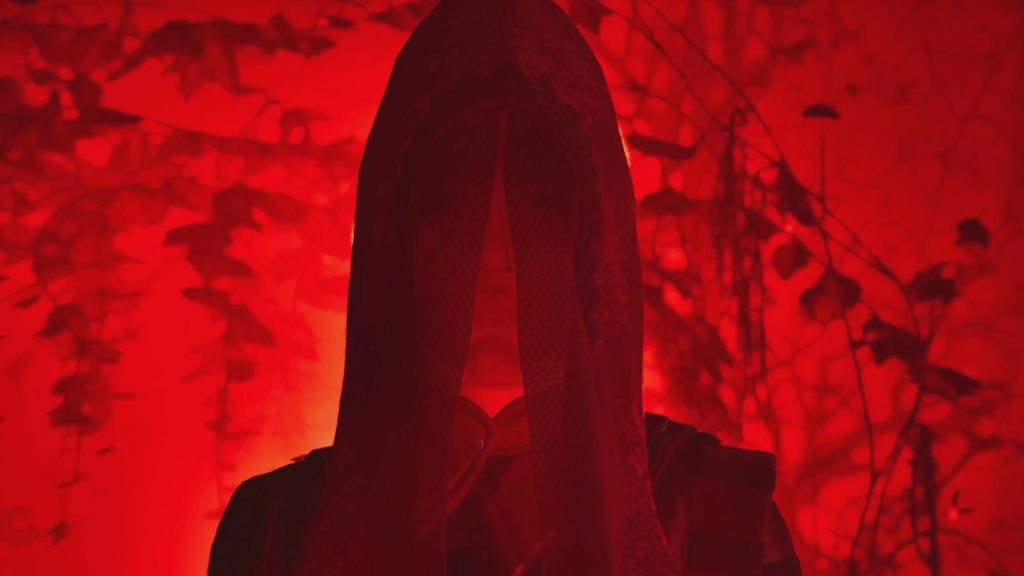
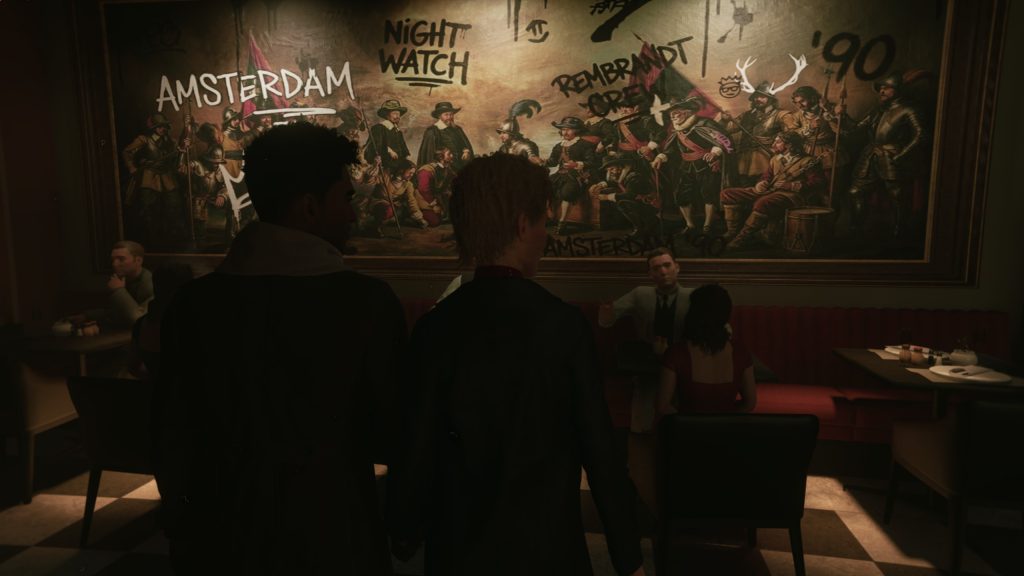
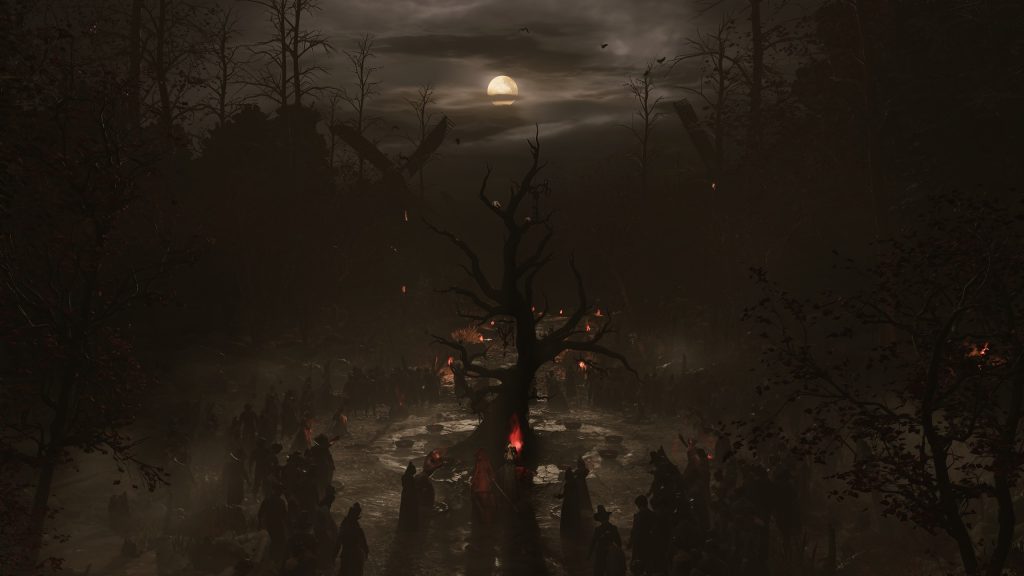
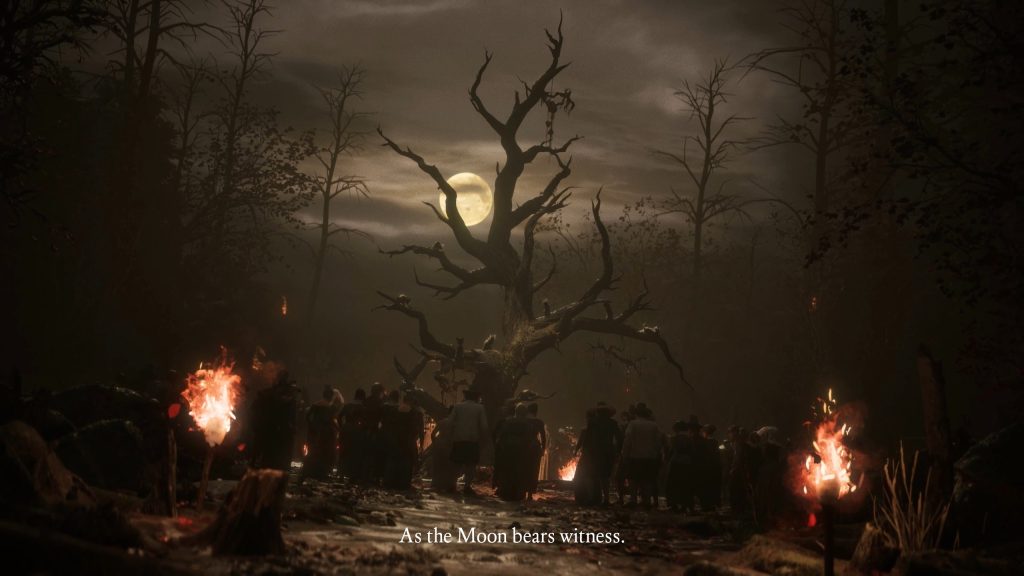
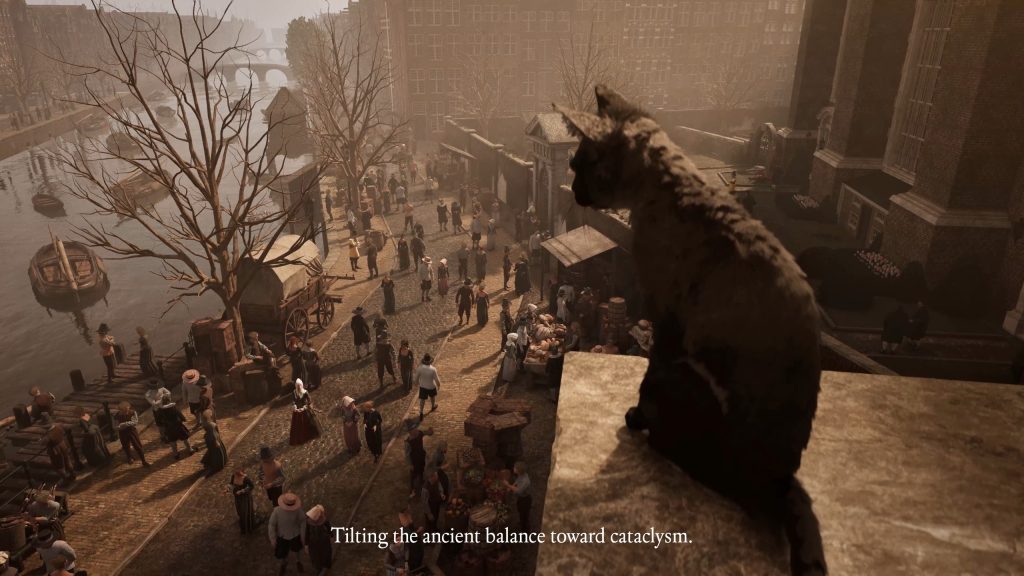
1666: Amsterdam screen shots: see for yourself.








If this game is as good as the demo I am all in!