



Newsletter Subscribe
Enter your email address below and subscribe to our newsletter

Rising Above the Noise
 Byocta
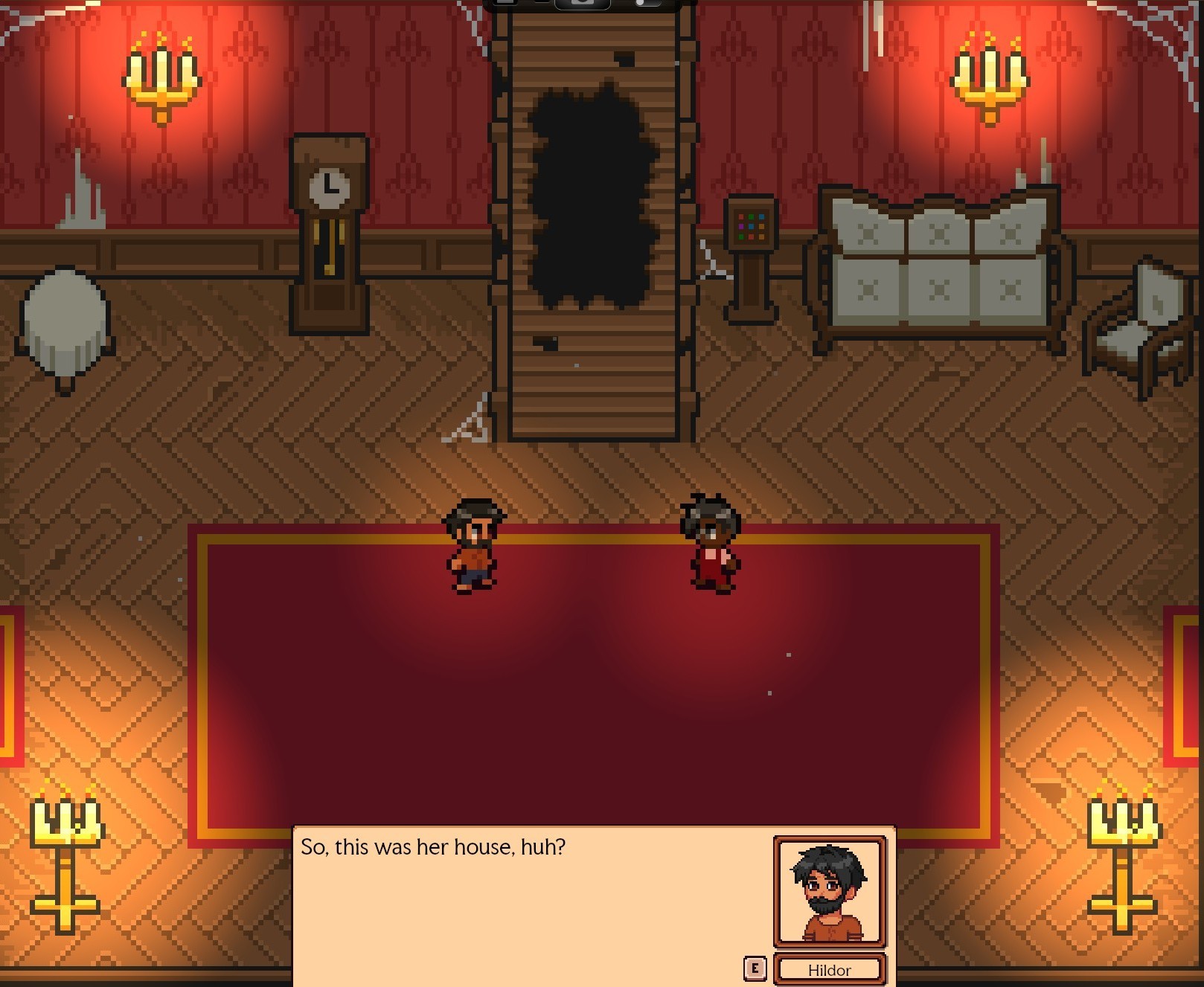
The contemporary landscape of puzzle design frequently suffers from an insufferable compulsion toward hand holding. Developers often fear that a player left to their own devices will succumb to frustration and abandon the software. Yet, What Happened to Penelope Rose rejects this timid philosophy, opting instead for a structural rigidity that demands intellectual endurance. The mansion functions less as a setting and more as a hermeneutic device, a labyrinthine text where the architecture itself constitutes the narrative.
The progression through these chambers is marked by a deliberate escalation in complexity. What begins as a pedagogical exercise in basic interaction soon matures into an exercise in abstract cognition. The game mandates a forensic approach, requiring the participant to catalog journals and artifacts with the scrutiny of an antiquarian. This is not a title for those who crave kinetic stimulation. There are no temporal pressures or external antagonists to expedite the process. Instead, the atmosphere is heavy with a manufactured isolation, compelling the player to confront the absence of explicit exposition. The burden of synthesizing a cohesive history from these fragmented environmental clues remains entirely with the user.
Perhaps the most polarizing element is the game’s insistence on obscurity. The puzzle logic is intentionally opaque, frequently necessitating iterative failure before the underlying patterns become intelligible. This design choice serves as a filter. Those accustomed to the guidance of modern AAA titles will likely find the lack of instruction agonizing. However, for the connoisseur of deliberate, slow burn experiences, the satisfaction derived from decoding these cryptic arrangements is profound. The game does not merely present a mystery; it constructs a mental discipline. As we anticipate its release in the third quarter of this year, one must acknowledge the audacity of a project that trusts its audience to possess both the patience to observe and the sagacity to interpret.
This is a refined, atmospheric piece that refuses to compromise its integrity for the sake of accessibility.
What Happened to Penelope Rose?
Planned Release Date: Q3 2026
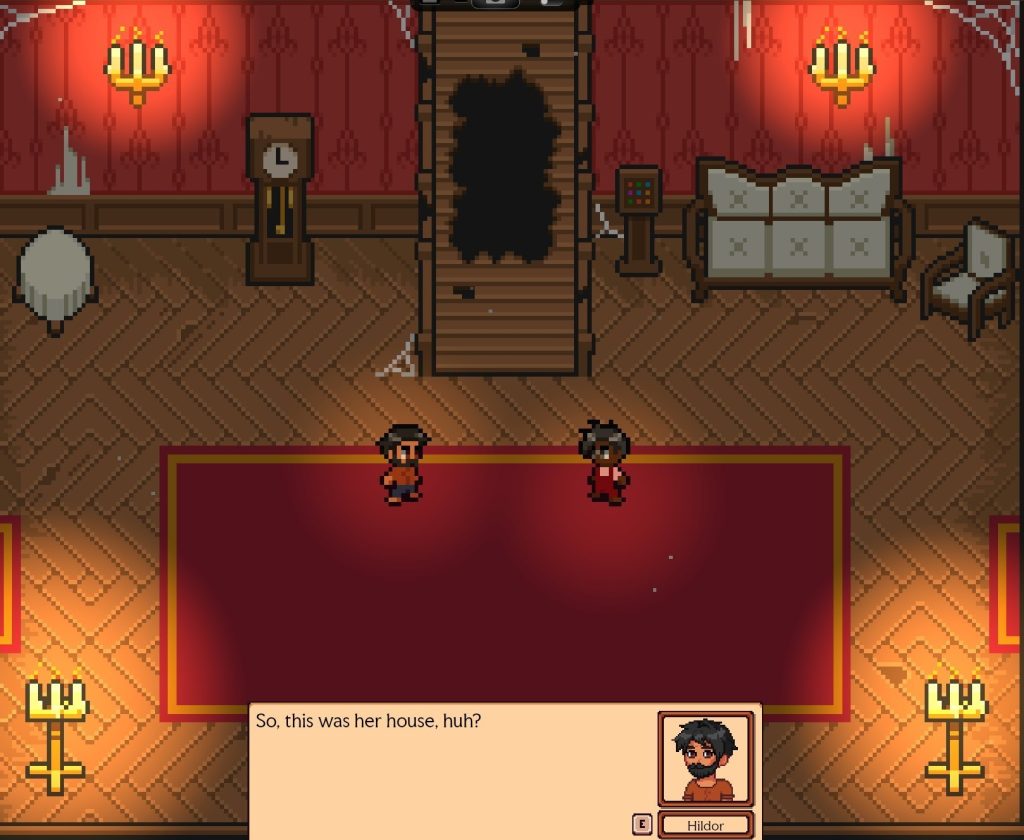
What Happened to Penelope Rose occupies a very specific niche inside the mystery puzzle genre. It is not a detective simulator, not a narrative adventure in the modern sense, and not a puzzle box game built around elaborate mechanical contraptions. Instead it belongs to the lineage of exploratory mansion mysteries where the player uncovers a disappearance through environmental clues, escalating puzzle complexity, and a slow reveal of personal history. Within this space the game positions itself as a quiet, room by room investigation that rewards patience, observation, and trial and error rather than rapid deduction. The puzzles begin with simple pattern recognition and gradually shift toward more layered logic challenges, creating a sense of progression that mirrors the player’s deepening understanding of Penelope’s fate.
What makes the game notable within its genre is its commitment to vagueness as a design principle. Many mystery puzzle titles guide the player with explicit narrative cues or structured clue systems. Penelope Rose refuses that scaffolding and instead asks the player to inhabit uncertainty. The mansion becomes a narrative instrument rather than a backdrop, and each room functions as a fragment of a life that must be reconstructed through inference rather than exposition. This gives the game a contemplative rhythm that distinguishes it from more theatrical mystery adventures. It is not trying to overwhelm the player with spectacle. It is trying to cultivate curiosity. In that sense it rates as a modest but sincere entry in the genre, one that values atmosphere, quiet discovery, and the pleasure of solving something that never fully announces its intentions.