
Newsletter Subscribe
Enter your email address below and subscribe to our newsletter

Rising Above the Noise
 Byocta
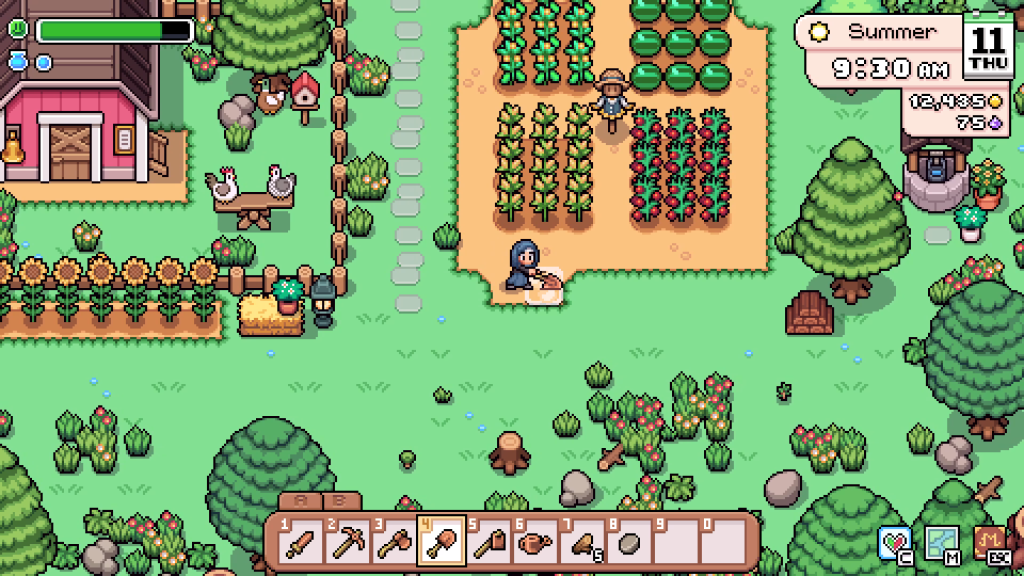
Scapewatch: Idle MMO belongs to a branch of the genre that is more suited to mobile consumption than to sustained PC engagement. The structure is built around real time progression loops that advance primarily when the player is absent. This design philosophy creates a fundamental tension.
The game encourages the player to invest time, yet the most consequential developments occur without their involvement. The result is an experience that feels detached from traditional notions of agency. The player returns to the game not to act, but to observe what has happened in their absence.
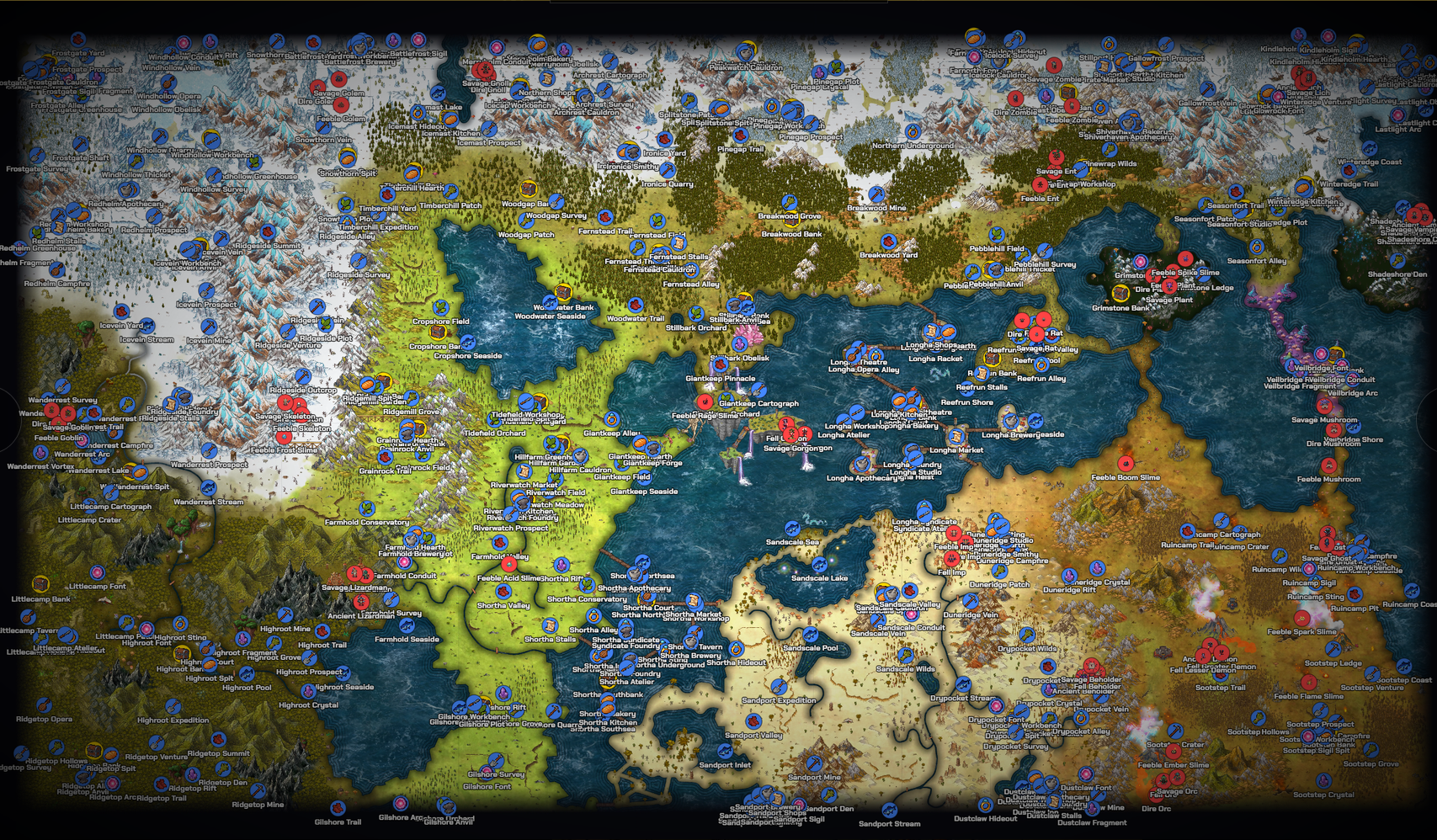
This is the core issue with idle MMOs as a whole. They often exploit the aesthetics of waiting. The player queues tasks, assigns priorities, and selects locations, but the actual execution of these decisions unfolds while the client is closed. Scapewatch follows this pattern closely. It offers thirty trainable skills across combat, gathering, production, and utility trees.
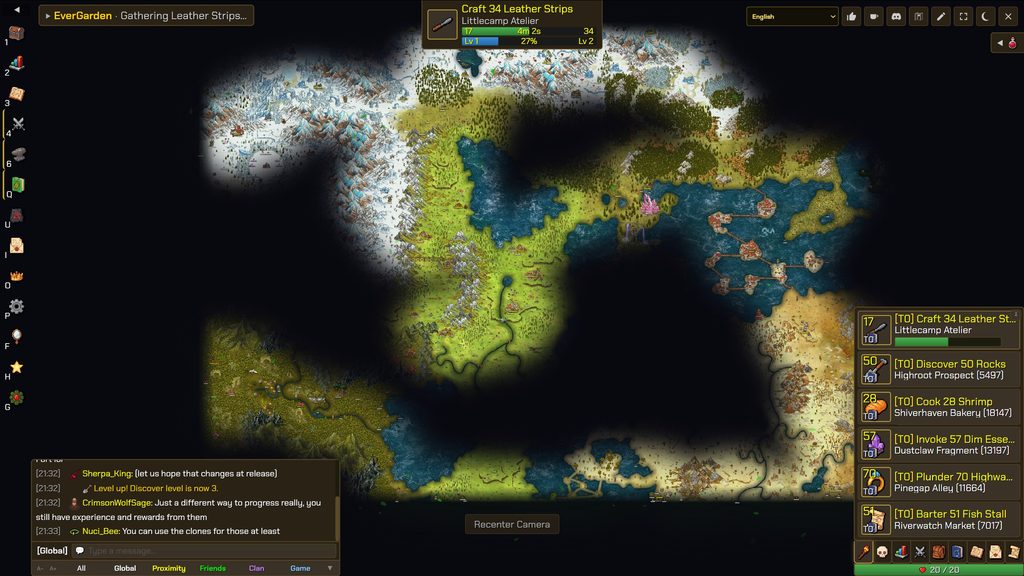
It allows the player to weight tasks and construct activity queues. It calculates yields, combat outcomes, and progression while the player is offline. The game presents these systems as conveniences, yet they also remove the player from the moment to moment texture of play.
The most interesting events occur without the player present. Pets appear. Items materialize. Social developments unfold. The player logs back in to discover that their avatar has advanced in ways that feel disconnected from their own actions.
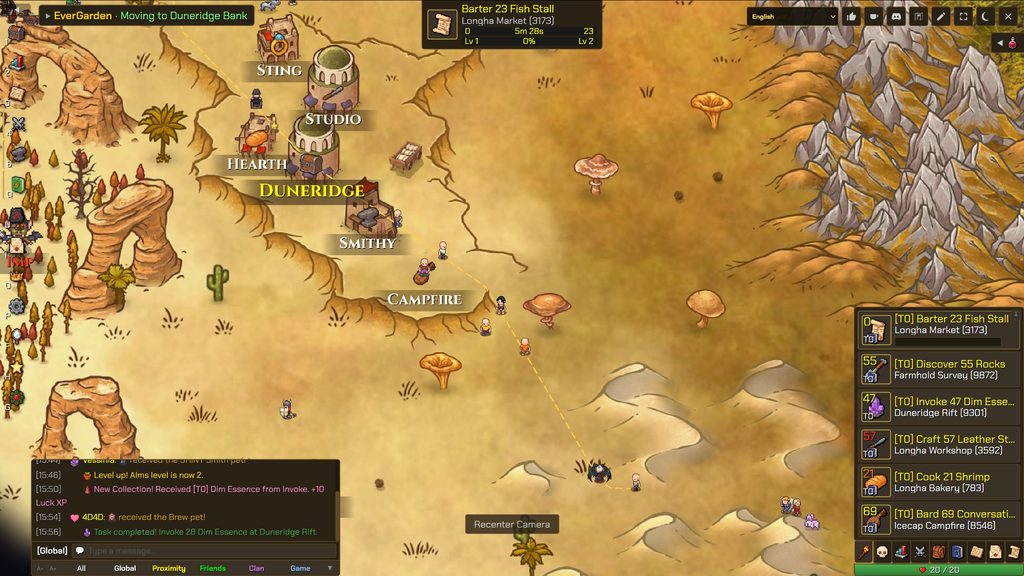
The game attempts to counterbalance this passivity through social features and cooperative raids. Shared hubs display live player visibility. Clans provide a sense of community structure. Raids support up to five players across five difficulty tiers.
These systems introduce moments of active engagement, yet they do not fundamentally alter the game’s identity. The core loop remains defined by persistent progression that continues regardless of player presence. The player is invited to participate, but the world does not require them.
Long term chase items reinforce this structure. Global high scores, treasure scrolls, sixty skill pets with shiny variants, sixty two skill capes including trimmed editions, and collection logs all provide goals that extend across weeks or months.
These systems are designed to encourage return visits, yet they also highlight the game’s reliance on passive advancement. The player is not building a character through deliberate action. They are maintaining a process that operates independently of them. The experience begins to resemble a subscription to server time rather than a traditional game.

Rating 1 out of 5 Thumbs: 👍 (For the likelihood of the game becoming sentient and then going on and living a life with you in it)/
“For players with a casual, low stakes mindset, this structure may hold appeal. There is a certain curiosity in seeing what might happen next. The game rewards intermittent attention and offers a steady stream of incremental progress. “
However, for players who value agency, mechanical involvement, or strategic decision making, the experience is likely to feel hollow. Scapewatch is competent within its genre, but the genre itself is defined by a distance between player and outcome that limits the depth of engagement.


[…] Scapewatch: Idle MMO https://www.octaviusreviews.com/niche/scapewatch-idle-mmo/ Jupiter Junkworks […]