

Newsletter Subscribe
Enter your email address below and subscribe to our newsletter

Rising Above the Noise
 Byocta
Probably Stolen presents itself as a cyberpunk retail simulation that rejects the conventional serenity of shop management design. Developed by Questing Goose Studio and published by tinyBuild, the title situates the player within a claustrophobic storefront on a space station where every transaction carries latent danger.
The premise appears deceptively simple. You run a shop. You buy and sell goods. You attempt to keep the lights on. Yet the simulation rapidly reveals a deeper structure built on escalating financial pressure, active threat detection, and a continuous negotiation between legality and survival. The result is a systemic experience that treats commerce as a volatile arena rather than a passive economic loop.
Planned Release Date: 28 Oct, 2026
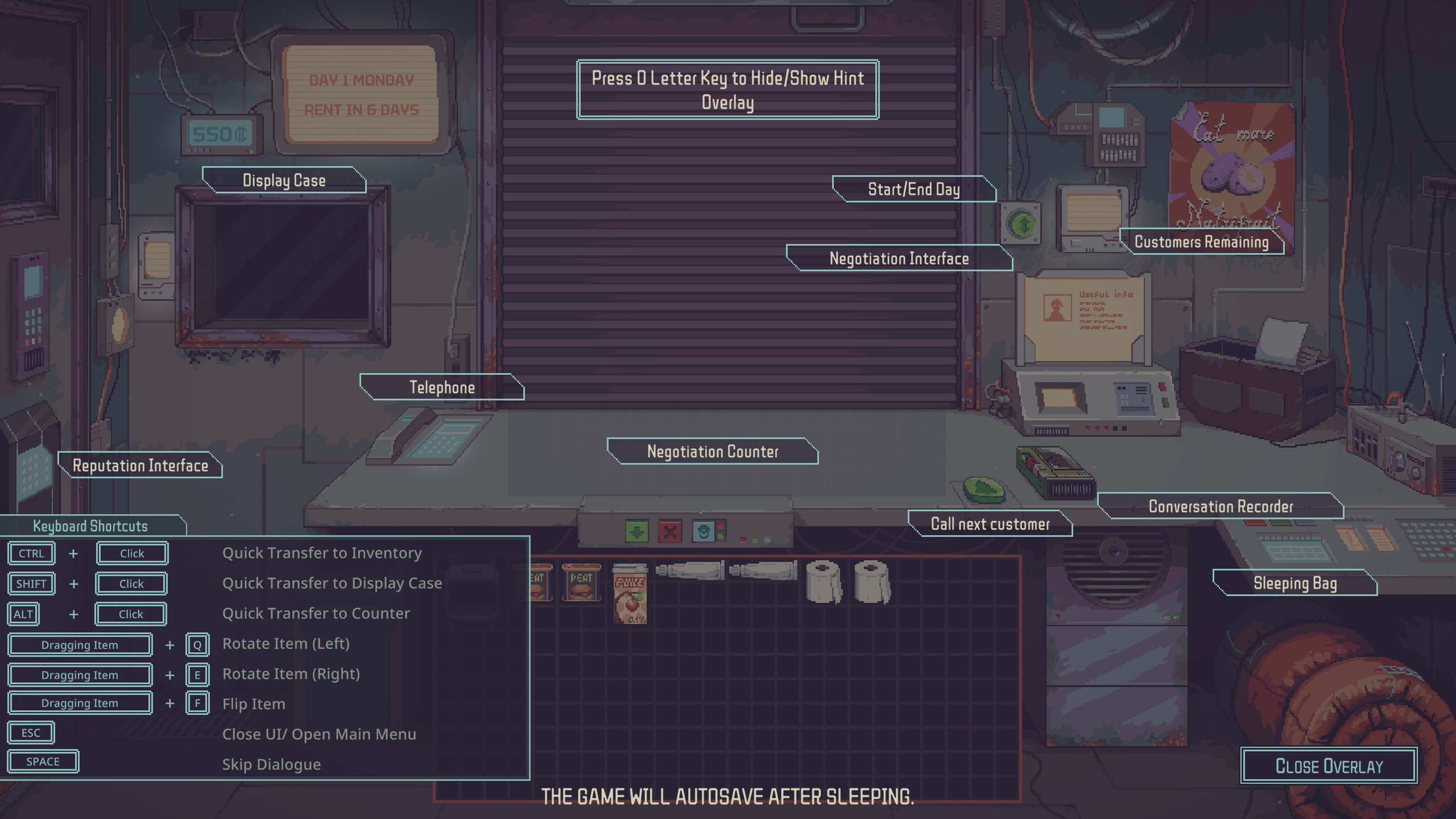
The introduction of compounding rent, illegal authentication tasks, and rogue artificial intelligence threats transforms the familiar shopkeeper fantasy into a study of friction. The player is not a merchant in a tranquil marketplace.
The player is a risk manager operating inside a hostile economy where every item may be stolen, every customer may be compromised, and every decision may trigger lethal consequences. This foundational tension defines the entire experience and establishes the thematic and mechanical identity of Probably Stolen.
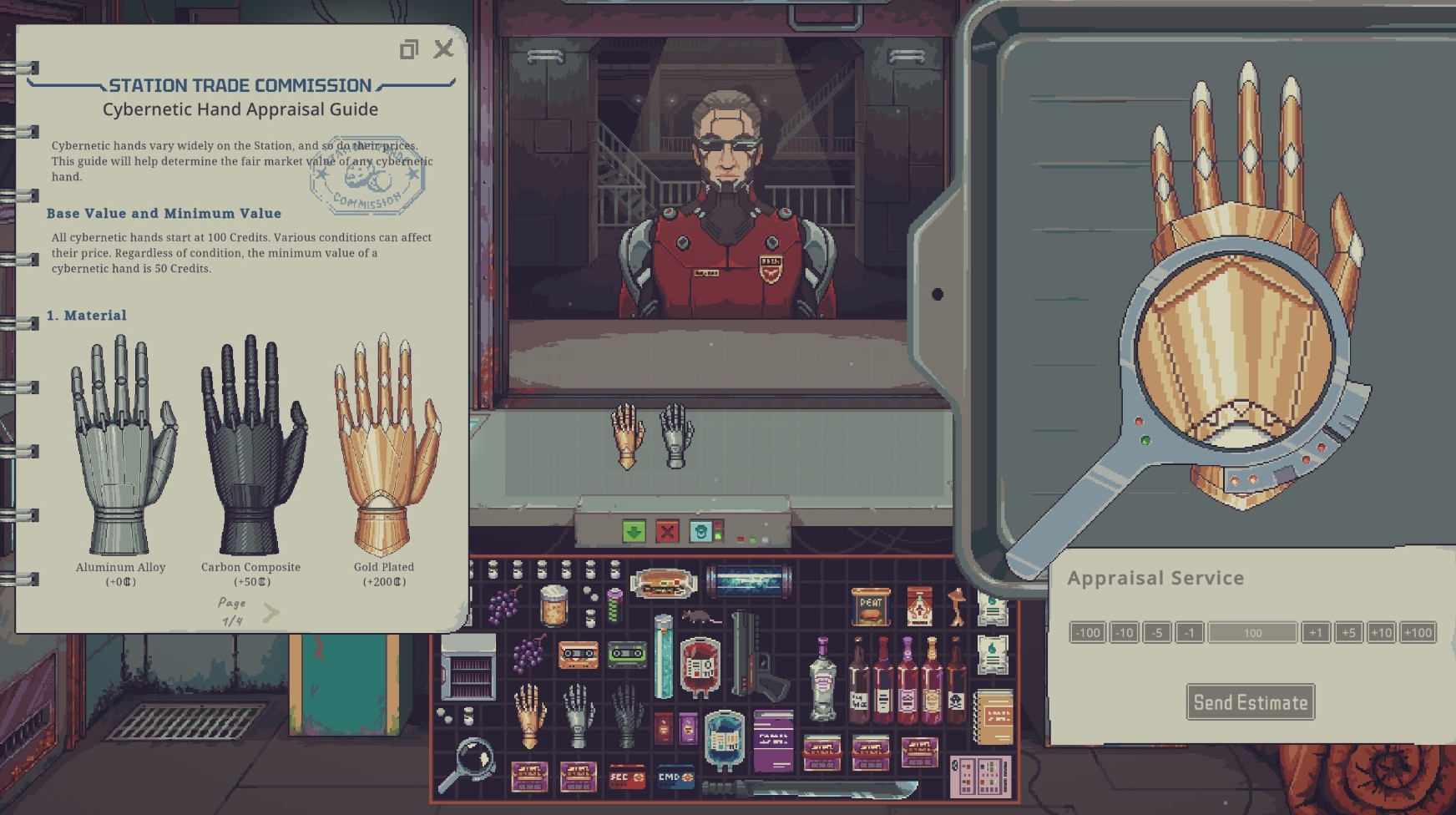
The main body of the simulation revolves around three interlocking systems. The first is the retail and craft operation layer. The player maintains a storefront while confronting rising rent costs that scale dynamically rather than remaining fixed. This financial pressure forces constant adaptation. Routine sales are insufficient for stability.
The player must engage in specialized tasks such as gunsmithing, chemical synthesis, organ trade, and the fencing of high value contraband. These activities are not optional side paths. They are structural necessities that emerge from the economic model. The game therefore constructs a progression system in which financial distress is not a temporary setback but an ever present force that shapes the entire decision space.
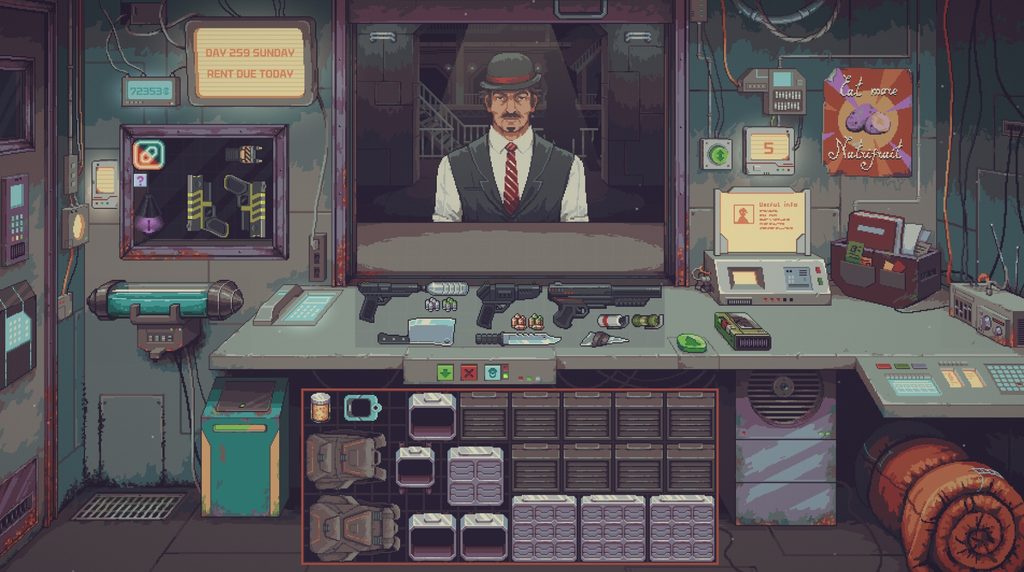
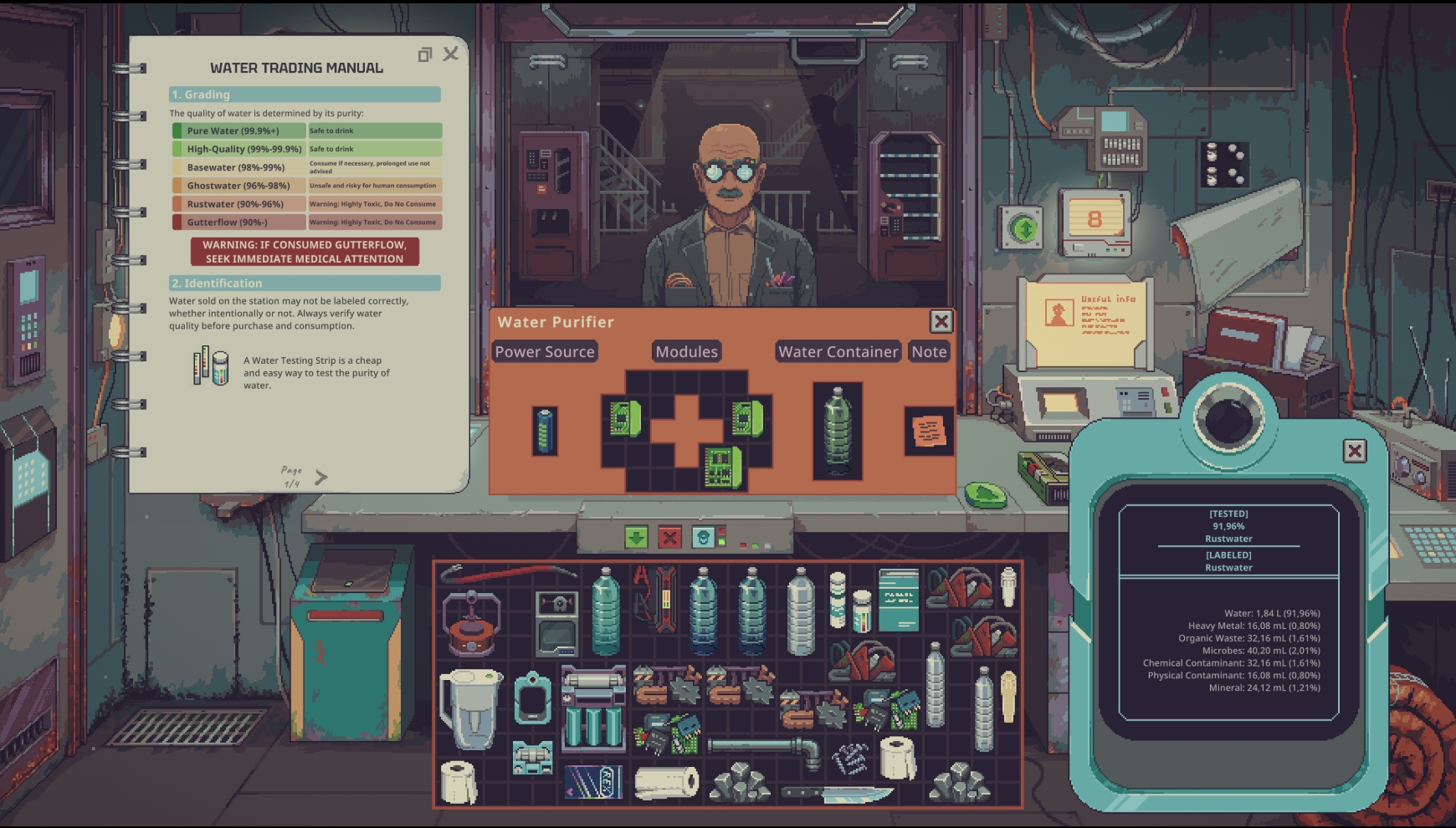
The second system is the authentication and inspection layer. Unlike traditional shop management titles that rely on automated appraisal or generic item statistics, Probably Stolen demands manual physical interaction with goods. Water must be chemically tested and filtered. Cigarette packs require seal verification.
Weapons require permit checks and modification. The player is not simply evaluating price. The player is performing micro level investigative tasks that determine whether an item is stolen, counterfeit, or dangerously hot. This creates a tactile rhythm that reinforces the theme of illicit commerce. The player is not a passive trader. The player is an active participant in a shadow economy where every object carries a hidden narrative of risk.
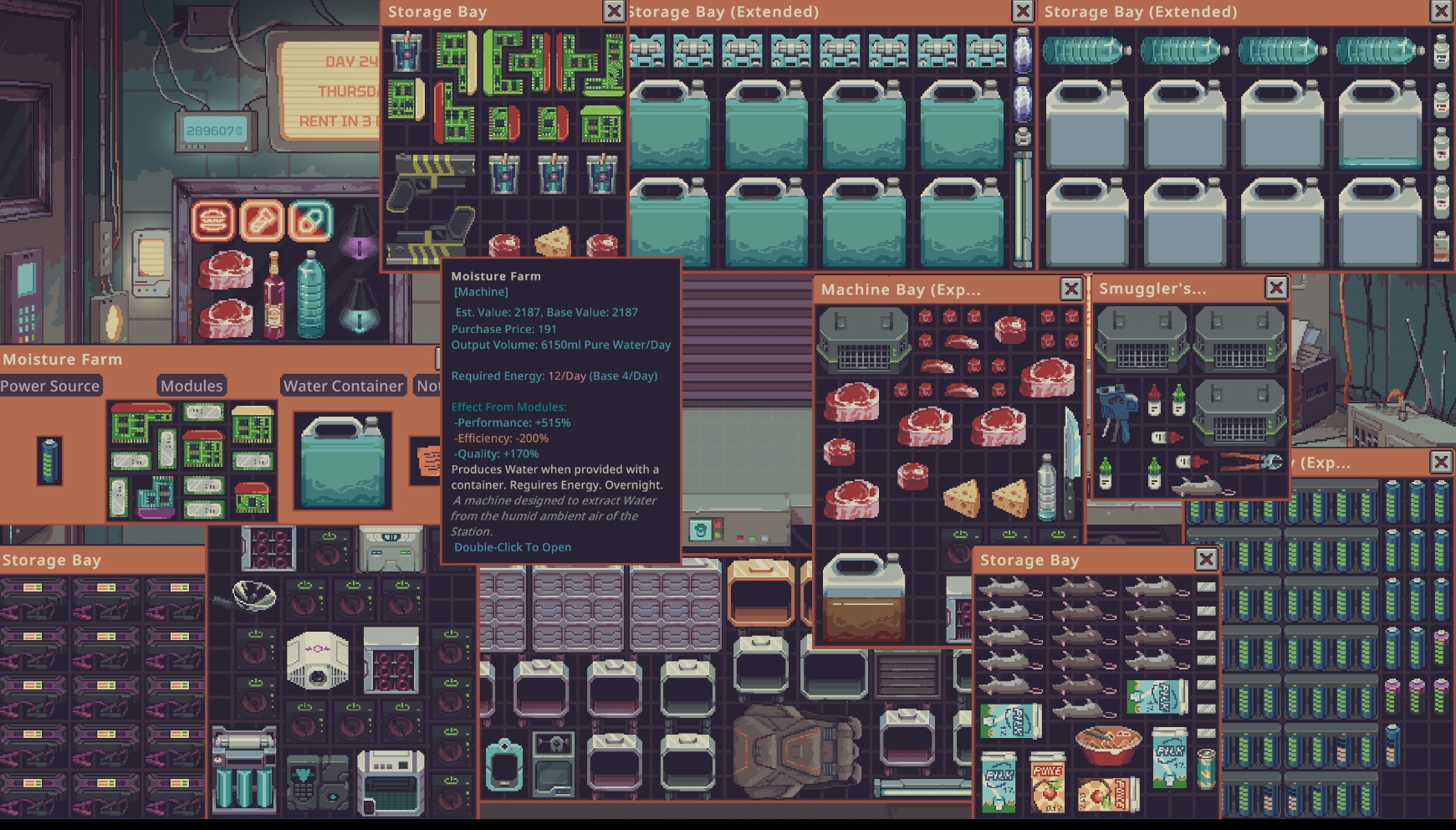
The third system is the threat detection and escalation layer. Customers are not guaranteed to be ordinary patrons. Some may be host bodies for rogue artificial intelligence augmentations. Identifying these threats requires close observation of behavior at the counter.
Once confirmed, the player must neutralize the threat immediately to prevent catastrophic compromise of store security. This mechanic introduces a physical danger that is rarely present in shop management design.
The storefront becomes a contested space where economic activity and personal survival coexist. Faction dynamics further intensify this tension. Selling to undercover security officers, revolutionary cells, or criminal syndicates produces direct operational consequences that range from raids and confiscated inventory to retaliatory violence. The simulation therefore treats commerce as a battlefield shaped by surveillance, suspicion, and factional power.
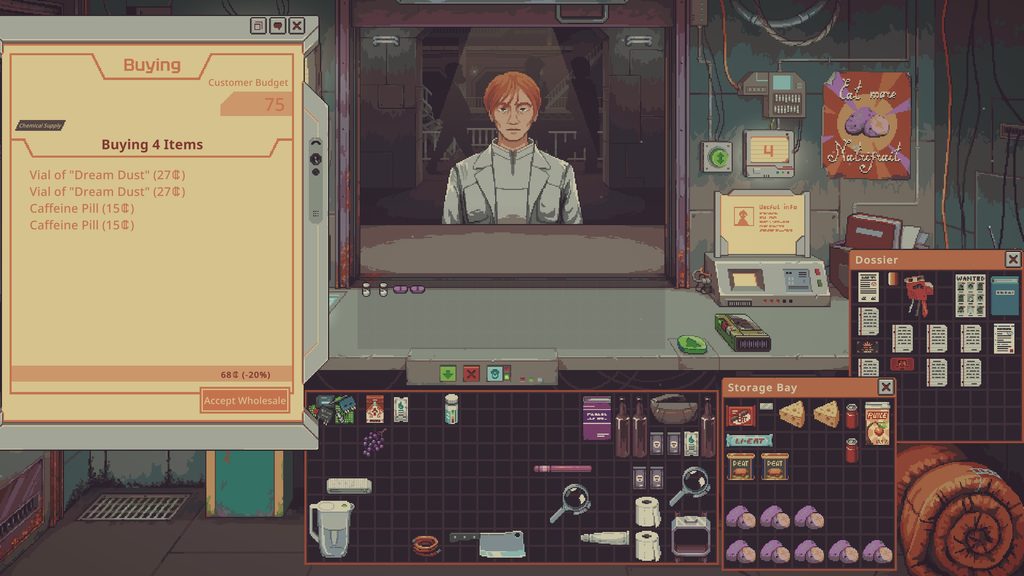
The conclusion of this analysis must address the distinctiveness of Probably Stolen within its genre. Traditional shopkeeper titles such as Moonlighter, Dealer’s Life, or Potion Craft rely on predictable loops built around inventory expansion, price optimization, and gradual progression toward stability. Danger exists only in external exploration phases or narrative events. Probably Stolen rejects this structure entirely.
It relocates danger to the retail floor. It replaces automated appraisal with manual inspection. It replaces stable rent with compounding financial pressure. It replaces peaceful customer flow with the possibility of rogue artificial intelligence infiltration. The result is a simulation that treats commerce as an adversarial system rather than a comfort loop.
Probably Stolen therefore stands apart through its commitment to friction. It transforms the act of selling into an exercise in vigilance. It transforms the act of buying into an exercise in forensic analysis. It transforms the act of survival into a negotiation with escalating economic and existential threats. Within the broader landscape of shop management design, this title offers a rare example of systemic ambition that redefines the boundaries of the genre.