

Newsletter Subscribe
Enter your email address below and subscribe to our newsletter

Rising Above the Noise
 Byocta
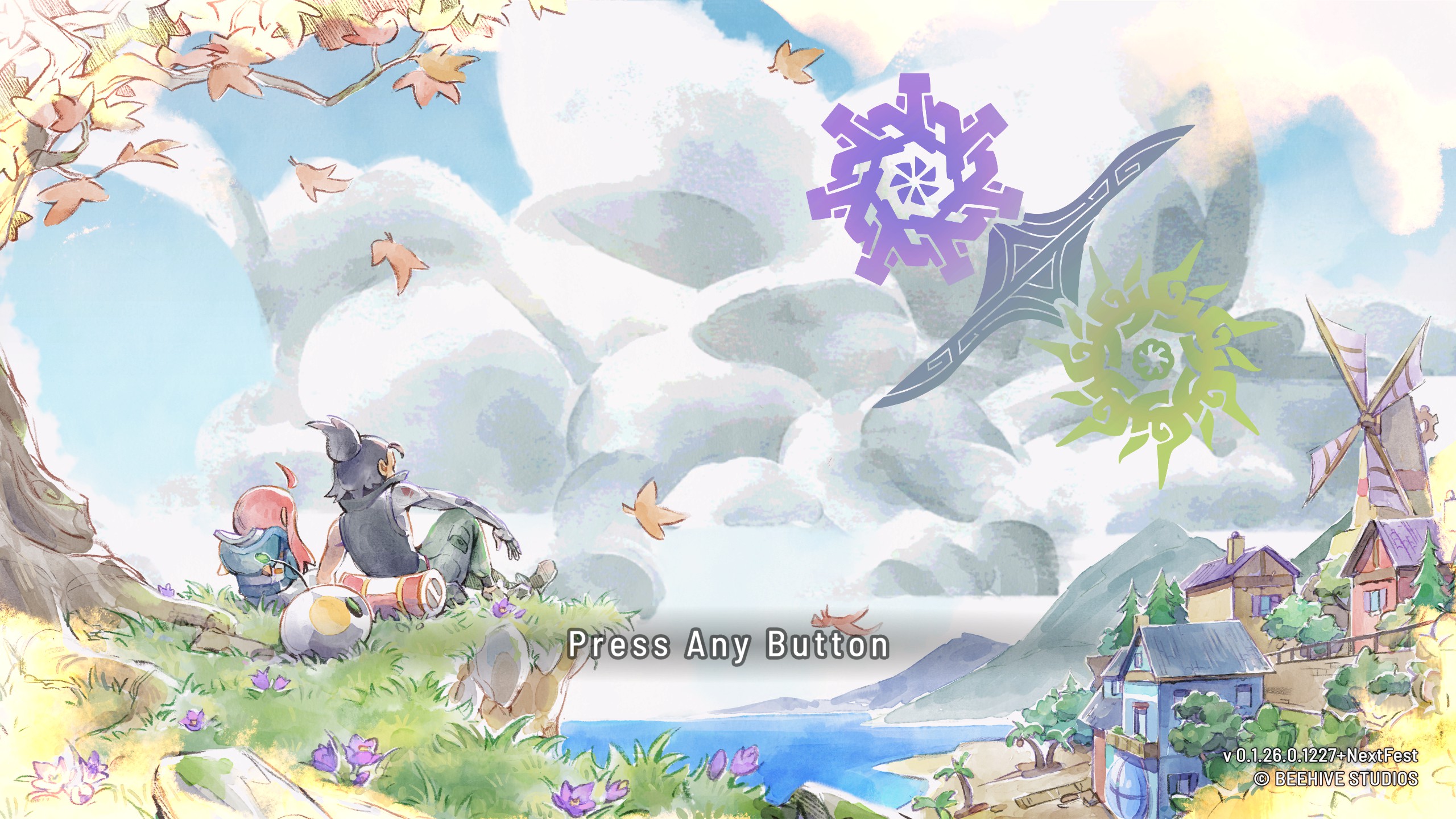
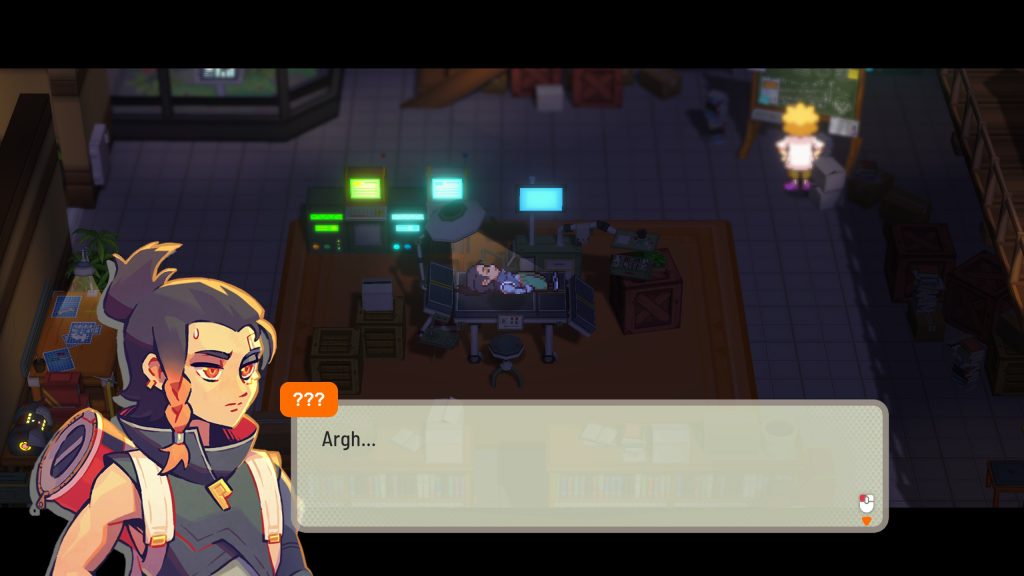
LumenTale presents a low stakes adventure that moves through a rich story centered on the Animone and the psychological drama of a young boy who is trying to understand his identity and the emotional weight carried by his companions. The player travels through a high definition world that uses accentuated pixel art for characters and environments while speech cards provide a clearer representation of what each character is meant to look like. The game blends a traditional RPG structure with a card collector framework and introduces a variety of minigames that rise in difficulty as the player progresses. The Animone serve as both narrative anchors and mechanical allies, forming the core of exploration, combat, and emotional development. The overall rhythm is gentle, reflective, and designed to keep the player moving forward without pressure.

The game uses a hybrid HD2D presentation that mixes sprite based characters with modern lighting and depth. The world of Talea is inspired by Italy and divided between Mythos and Logos which represent tradition and progress. The player takes the role of Trey, a cyborg who wakes without memory and slowly reconstructs his identity through encounters with the Animone and the Lumen order. The story is built around themes of memory, consequence, and emotional resonance. More than one hundred forty Animone populate the world, each defined by elemental affinities and emotional attributes that influence both combat and narrative tone. Combat is turn based and uses a shared SP pool for abilities and a TP system that rewards critical hits and elemental exploitation with additional actions. Encounters range from simple duels to full team engagements.
Beyond combat, the game includes crafting, cooking, card collecting, and a customizable creature home called the Anispace which contains more than five hundred furniture pieces. The structure is designed to maintain a steady rhythm of exploration, narrative progression, and mechanical experimentation without overwhelming the player. The game is available on PC and Switch and does not have a mobile version.
Coromon is the closest structural comparison. Both games use a traditional monster collector loop with exploration, turn based combat, elemental affinities, and a linear story. Coromon is more mechanical and challenge oriented while LumenTale is more narrative and emotional. Cassette Beasts is the most experimental of the group. It uses fusion mechanics, open exploration, and a surreal tone. LumenTale is more grounded and more conventional. Cassette Beasts pushes mechanical creativity while LumenTale pushes emotional storytelling. Monster Sanctuary is a metroidvania hybrid with platforming, ability based traversal, and team synergy puzzles. LumenTale does not share this structure. Monster Sanctuary is mechanical, systemic, and focused on team composition depth while LumenTale is narrative, emotional, and focused on character development. Nexomon is a direct Pokémon style collector with a comedic tone and a very large roster. Nexomon emphasizes quantity, humor, and fast progression while LumenTale emphasizes emotional resonance, psychological themes, and a curated roster of Animone with narrative significance.
Coromon is the closest match mechanically. Cassette Beasts is the closest match in indie spirit. Monster Sanctuary is the outlier with a different genre structure. Nexomon is the closest match in collector volume but not in tone. LumenTale sits between traditional collectors and narrative driven RPGs, using emotional attributes and HD2D presentation to differentiate itself.


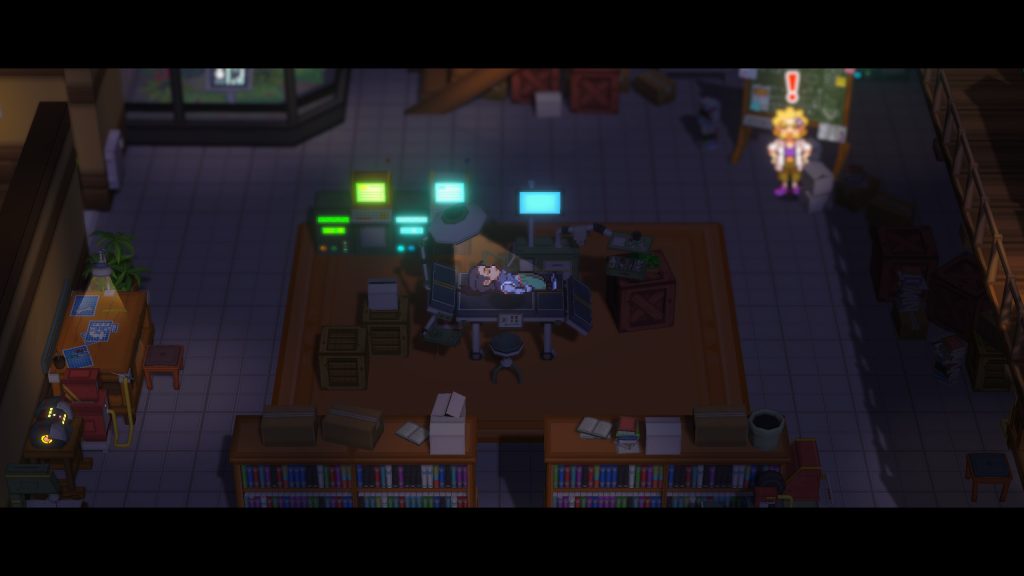
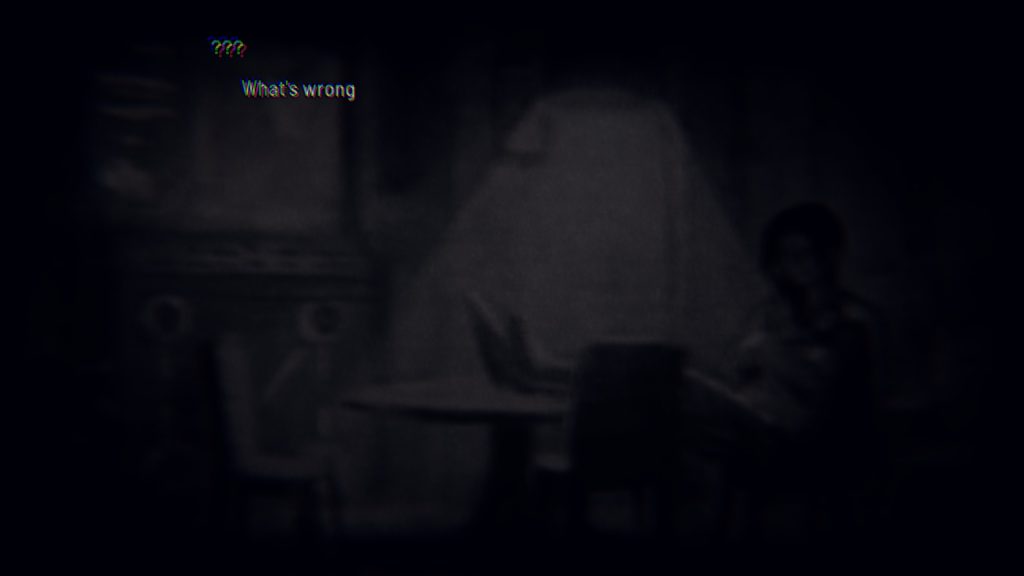
LumenTale: Memories of Trey