Beck and Branch Games created a punishing loop in Grain Rot. Stripping away the chaotic multiplayer dynamic transforms this extraction horror experience into a clinical calculation where single mistakes terminate the entire run. When entering the shifting ruins without a crew to watch your back or transport materials, you must abandon standard aggressive habits.
Succeeding as a solo Spark demands a strict reliance on economic speed, continuous environmental scanning, and absolute momentum management. The following core strategies establish the baseline protocols required to navigate the lower biomes, optimize your resource returns, and preserve your vessel under extreme pressure.
How to play Grain Rot
The Economic Protocol: Gold Over Bulk Hauling
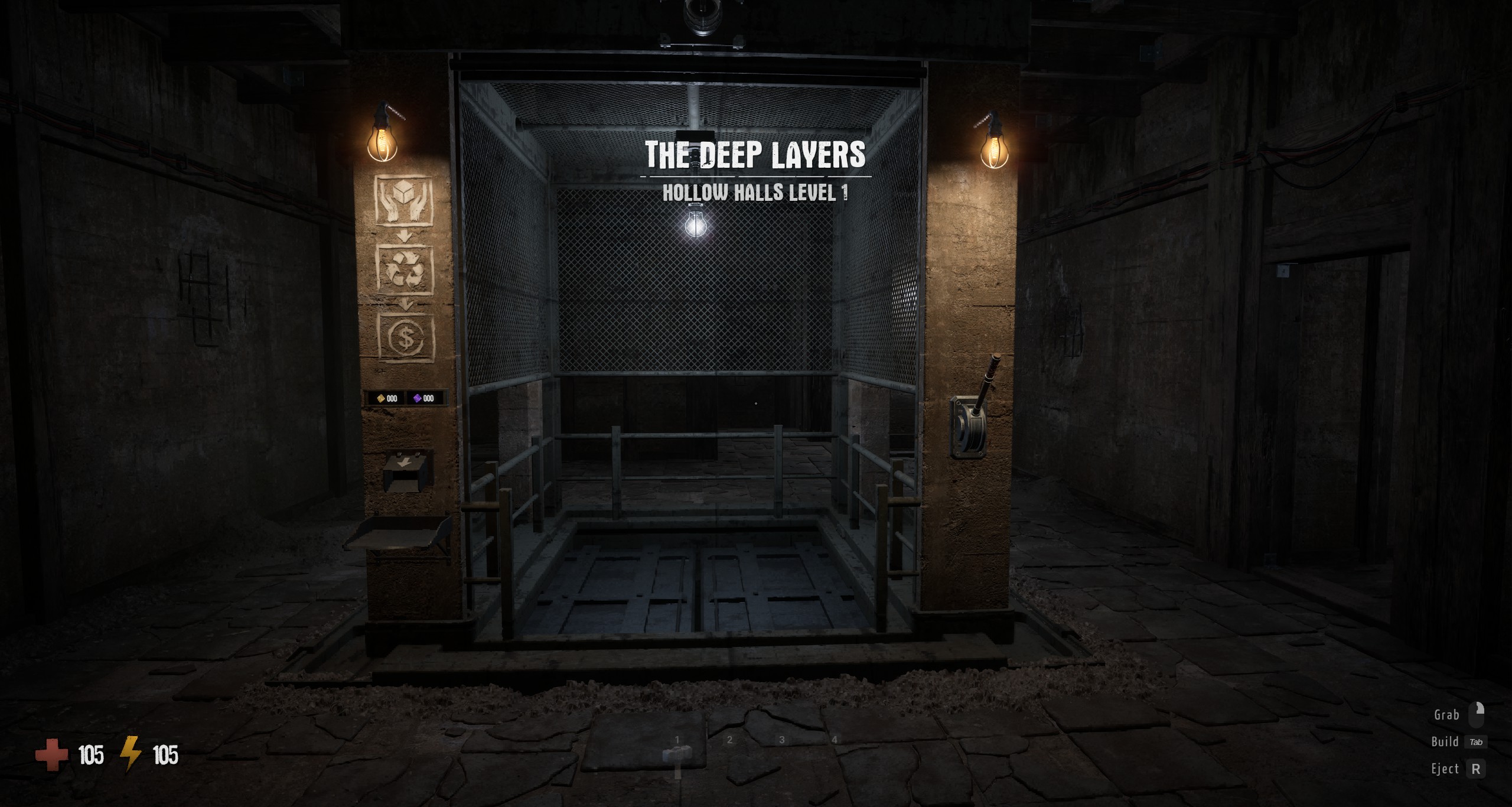
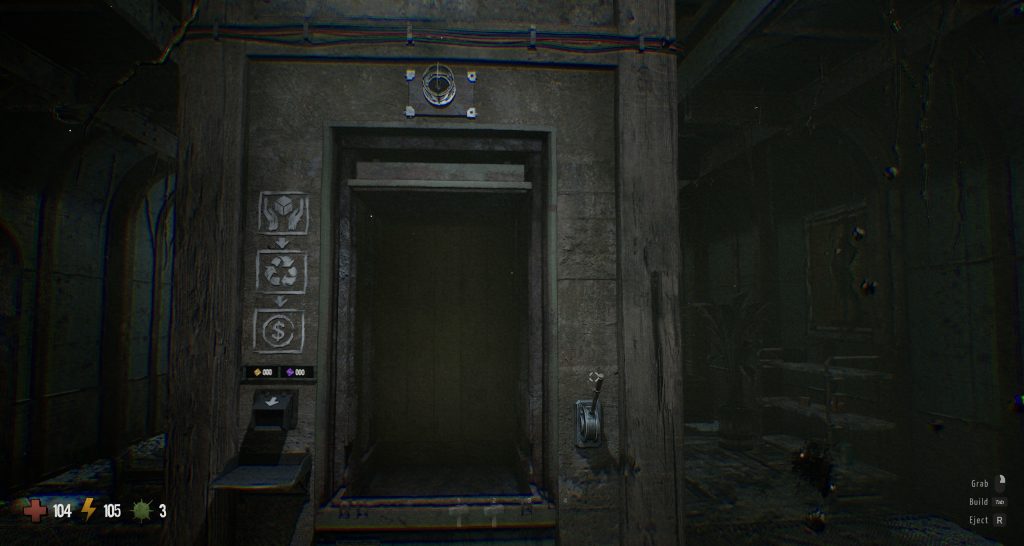
The primary point of failure for solo players is attempting to haul heavy physical assets back to the surface elevator. Without a crew to carry tools or cover choke points, moving bulky items causes a fatal movement speed penalty. The core operational strategy relies on maximizing the utility of the underground Grinders:
The Conversion Strategy: Every piece of salvaged furniture or structural debris should be broken down and fed directly into the localized trash crushers. This converts heavy physical volume into weightless currency.
The Safety Dividend: By keeping your inventory fluid and weightless, your wooden vessel retains its maximum mobility index. You maintain the baseline speed required to dropkick roaming threats or sprint through closing corridors when the Rot level spikes.
Reinvestment Banking: Liquid gold accumulated via the crusher strategy allows you to buy top tier survival tools, defensive traps, and protective armor at the surface Outpost, rendering subsequent descents exponentially safer.
The Solo Vessel Contingency Plan
In a multi player session, a shattered wooden hull transforms you into a floating phantom that can rely on allies for navigation or distraction. In solo execution, fracturing your hull triggers a critical countdown.
The Empty Shell Scan: Before you begin destroying a room’s infrastructure for resources, you must scan the immediate vicinity for inactive, unpossessed wooden hulls.
The Retreat Anchor: Treat these dormant vessels as physical save states. Never push deep into a structural tier without knowing exactly where the nearest empty hull rests.
The Soul Sprint: If a Corrupted entity shatters your current vessel, your Spark must immediately retreat along your cleared path back to the designated spare hull. Attempting to search for a new shell in unexplored dark territory while in soul form is a statistical death sentence.
Operational Tactics and Threat Mitigation
Surviving the deeper biomes without dynamic crowd support requires rigid environmental control and calculated combat deployment.
Trap and Burn Chokepoints: The optimal combat meta for a solo player involves heavy utilization of static defenses. Position a physical trap in a narrow doorway to bottleneck incoming enemies, then use the flamethrower from behind the threshold to clean the corridor without taking direct structural damage.
Calculated Dropkicks Only: The physical dropkick remains an effective tool for creating space against single crawlers. However, if you miscalculate the physics alignment and miss, the recovery animation leaves your wooden hull flat on the ground and entirely defenseless. Use it only when a bottleneck prevents enemies from flanking your recovery zone.
Rot Monitoring: Watch the corruption modifiers closely. The deeper the layer, the faster your vessel’s integrity degrades. If your current hull is already displaying deep splintering or burn damage, abandon the deeper haul immediately, dump your current inventory into the nearest crusher, and head for the surface elevator before a total wipeout occurs.
Back up should you come back without your original
The Ghostly Pilot Mechanics: Shell Acquisition
When playing solo, the loss of your primary wooden hull does not result in an immediate termination of the session. Instead, your inner Living Spark detaches from the shattered remains and enters a highly volatile phantom state. The immediate operational priority shifts from resource collection to emergency vessel hijacking.
Locating Dormant Robotic Infrastructure: The procedural underground layers contain a sparse distribution of small, unpossessed robot shells scattered throughout the corridors. These mechanical hulls serve as empty backup vessels specifically designed to accommodate a displaced Spark.
The Velocity Requirement: The phantom state operates under a severe, hidden decay timer. You must locate and interface with an empty robot shell with absolute haste. If your disembodied soul remains exposed to the atmospheric corruption for too long without securing a physical anchor, the Spark dissolves entirely.
The Solo Risk Threshold: Inhabiting a newly found robot shell preserves your run, but it leaves you highly vulnerable. These auxiliary map shells frequently possess different baseline mobility indexes and lack the specialized gear enhancements of your primary customized vessel. Repossessing a shell should be treated as a temporary survival bridge to reach the surface elevator, rather than an invitation to continue greedily stripping the environment for resources.
Drop kicks
To execute a dropkick in Grain Rot you must combine your sprint momentum with the jump and physics interact inputs.
The precise mechanical sequence requires triggering a full forward sprint to build up velocity, pressing the jump input to leave the ground, and then immediately pressing the kick or physics interaction key while midair.
Because the game utilizes a rigid physics simulation, mastering this maneuver requires strict spatial awareness:
The Launch Sequence
Momentum Build: You cannot trigger a dropkick from a stationary position or a standard walk. Your wooden vessel must be in a sustained forward sprint.
Airborne Injection: Once you leap into the air, activating the strike extends both legs of your robot or wooden hull directly forward, converting all your horizontal velocity into a blunt force impact vector.
The Physics Tradeoff
Impact Delivery: A successful collision delivers massive knockback, capable of launching small crawlers backward, breaking wooden structural barriers, or staggering larger noise reactive Corrupted entities.
The Defenseless State: If your trajectory is off and you miss the target completely, the physics engine forces your vessel into a hard crash animation. Your hull will land completely flat on its back, leaving you entirely stationary and defenseless for several seconds while your Spark attempts to right the chassis.
How to play Grain Rot Tips and Tricks basic infos.
Development Phase Advisory
This light guide is constructed strictly around data extracted from the ongoing Steam Next Fest demo phase. Because the title has not achieved full commercial release, implementing these advanced mechanical sequences during the preview build may present significant stability hurdles.
Solo deployment remains exceptionally punishing and certain balancing parameters are subject to comprehensive structural adjustments prior to the official launch window. This overview provides a preliminary conceptual foundation to maximize survival margins and successfully extract the liquid currency required to fund top tier persistent advancements. Cheers.
Chief Forensic Architect Octavius anchors the platform's intellectual property with over a decade of adversarial game theory journalism and rigorous software telemetry analysis.
Operating at the intersection of deep ludological study and forensic software audits, he aggressively dismantles corporate marketing narratives to expose the mechanical truth hidden beneath beautiful, hollow Unreal Engine 5 shells.
His sharp, uncompromising critique bypasses shallow consumer enthusiasm to deliver high-brow, system level evaluations, protecting the prestige of the platform's rating discipline and establishing an authoritative, uncorrupted destination for serious gaming analysis.





 Byocta







Great tips! Cheers!