



Newsletter Subscribe
Enter your email address below and subscribe to our newsletter

Rising Above the Noise

 Byocta
GRAIN ROT The contemporary extraction genre has long been obsessed with the cold mathematics of risk management.
The contemporary extraction genre has long been obsessed with the cold mathematics of risk management. Players calculate spreadsheet probabilities regarding loot retention, weight ratios, and ammunition costs before venturing into digital no man’s lands. Yet, beneath the high fidelity gloss of modern visual engines and the undeniable allure of contemporary technological foundations, a much more insidious design philosophy is taking root.

The latest phenomenon to capture the collective gaming consciousness, Grain Rot, easily earns a four thumb rating by demonstrating a profound understanding of cognitive dissonance, transforming the traditional gameplay loop into a devastating psychological gauntlet.
The brilliance of the title does not reside in the novelty of its systems but in the deliberate, cruel structural dichotomy it establishes between the surface and the deep. It is an editorial reality that many critics have mischaracterized the experience as mere streaming fodder, ignoring the genuine mechanical truth of its oppressive atmosphere. When analyzed through a clinical lens, the game emerges as a brilliant study in tension, utilizing a domestic sanctuary to amplify a deeply affecting, terrifying descent into raw survival horror.

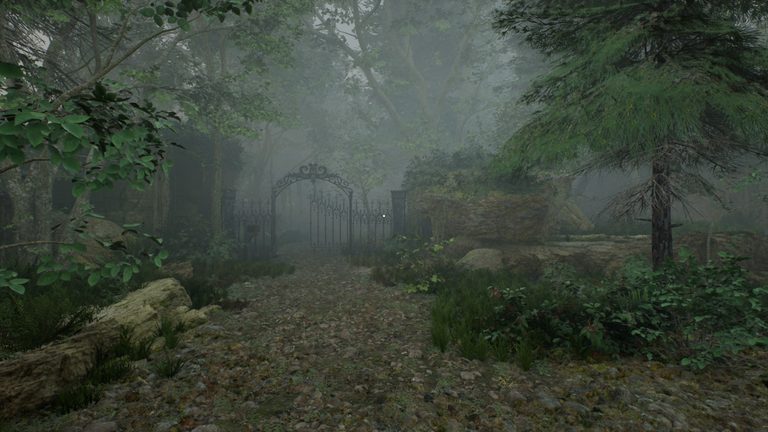
The brilliance of this mechanical hook initiates not with immediate terror but with a calculated tranquility, demanding that the player invest significant temporal capital into the meticulous restoration of an outpost. This phase operates as a masterclass in psychological pacing, offering a quiet, almost meditative sanctuary where one can temporarily escape the surrounding dystopian ruin through the organization of salvaged debris and the fortification of structural assets.
By encouraging players to spend protracted periods fixing up the outpost, organizing scraps, and crafting a personal haven, the game intentionally cultivates a fragile illusion of permanence and total control over the environment.
This domestic ritual is far more than a standard retention engine designed to provide linear statistical progression; it is a deliberate narrative and systemic trap that coaxes the player to relax, lower their guard, and believe they have carved out a small corner of stability in a dying world.
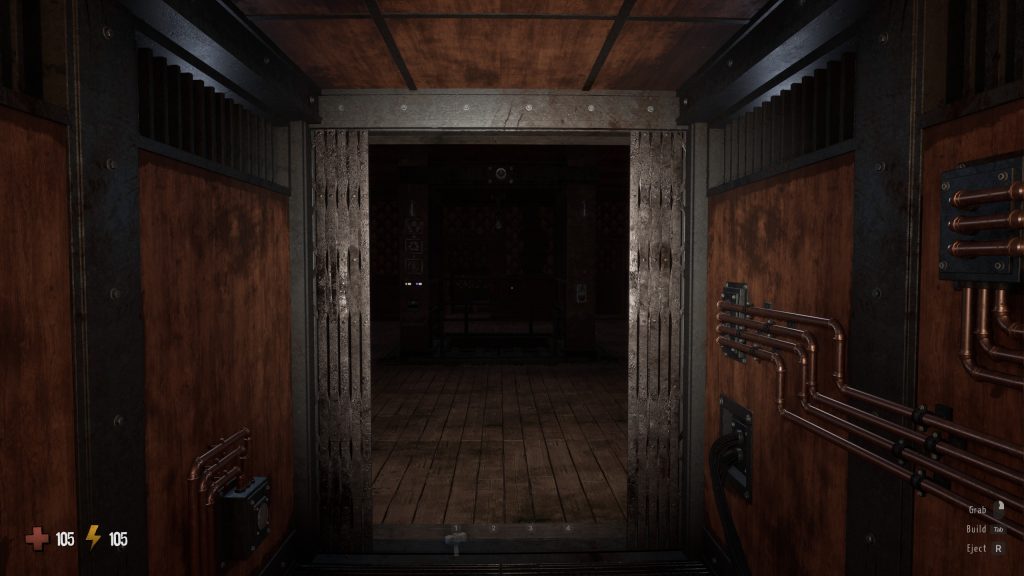
Consequently, when the player finally boards the cursed elevator to descend into unmapped, shifting subterranean layouts, the transition forces a severe cognitive shift from safety to absolute, hyper vigilant vulnerability. By anchoring the experience in a deeply personal home base, the game ensures that the inevitable departure into claustrophobic geometry and high difficulty monster ambushes becomes a truly devastating threshold crossing, transforming what could have been a routine extraction run into an acute, frantic flight for survival.

Stepping into that cursed elevator represents the definitive crossroad where the illusion of safety terminates. The descent into the lower levels is a jarring, uncompromising transition that abandons all pretense of player comfort. Here, the world shifts from an orderly, quiet construction project to an unpredictable labyrinth dominated by mechanical ruthlessness.
The monsters inhabiting these subterranean ruins are not conventional video game adversaries designed to be elegantly countered; they are terrifying, hyper aggressive entities that weaponize the claustrophobic geometry of the map.
The game relies heavily on sudden ambush tactics, utilizing dark corners and structural blind spots to shatter the player’s composure entirely. The frequency and intensity of these surprise attacks ensure that exploration is never passive. Every creak of the wooden vessel becomes a potential death knell, transforming the experience into a relentless gauntlet where you are constantly running for your life.
This calculated hostility inflicts a form of digital trauma upon the player, inducing a state of hyper vigilance. The high fidelity visuals of the environment cease to be a passive aesthetic background and instead become a minefield of potential threats. The constant, crushing weight of knowing that your vessel is always a single misstep away from catastrophic structural failure elevates the tension beyond simple mechanical friction, mimicking the raw, overwhelming instinct of pure survival.
The true brilliance of Grain Rot lies in the exquisite precision of its structural dichotomy, a design philosophy that rejects the cold mathematics of traditional extraction shooters to engineer a masterclass in existential whiplash. By bifurcating the experience into a tranquil surface sanctuary and an oppressive subterranean labyrinth, the game establishes a relentless psychological pendulum that weaponizes a false sense of player agency.
The resulting state of hyper vigilance transforms the environment into a literal minefield of potential trauma, forcing frantic retreats where you are quite literally running for your life as your fragile wooden vessel faces imminent structural failure.
Ultimately, this agonizing cycle turns the domestic tasks of basic carpentry and outpost maintenance into a therapeutic necessity, creating an incredibly engaging loop where the player must actively cultivate the very sanctuary they will inevitably be terrified into fleeing back toward.
Rating 4 out of 5 Thumbs: 👍 👍👍👍(For being the first Extraction Horror to Monetize the Illusion of Safety)
“I don’t know if they meant for it to be an elevator to hell, but it does come close.“


Extras: