



Newsletter Subscribe
Enter your email address below and subscribe to our newsletter

Rising Above the Noise
 Byocta
Save the Villainess represents a provocative foray into the dark comedy genre, skillfully operating within the established constraints of the otome isekai archetype. Developed by the duo at Best Laid Plans Productions, Inc., the project functions as a self aware roleplaying experience that interrogates the conventional power dynamics inherent in narrative driven romance simulations. By leveraging the momentum of a successful crowdfunding campaign, the developers have established a clear trajectory toward a commercial release. The project is currently positioned for a second quarter 2027 debut across the Steam and Itch.io digital storefronts, a timeline that suggests a deliberate commitment to refining its mechanical complexity and satirical narrative breadth.
The intrigue surrounding this title arises from its commitment to deconstructing the tropes that typically define the isekai subgenre. Rather than adhering to the passive trajectories often found in similar interactive fiction, Save the Villainess appears to prioritize a subversive tonal approach that juxtaposes the aesthetic sensibilities of a visual novel with a distinctly cynical comedic perspective. Given the intimate scale of a two woman development team, the title stands as a testament to the viability of specialized, authorial voices within the broader independent gaming ecosystem. As the development cycle progresses toward its projected launch, the industry will undoubtedly observe whether this endeavor succeeds in establishing a new standard for narrative subversion within the otome space, or if the weight of its own aspirations threatens to obscure the mechanical foundations of its design.
Save the Villainess:

Real Talk
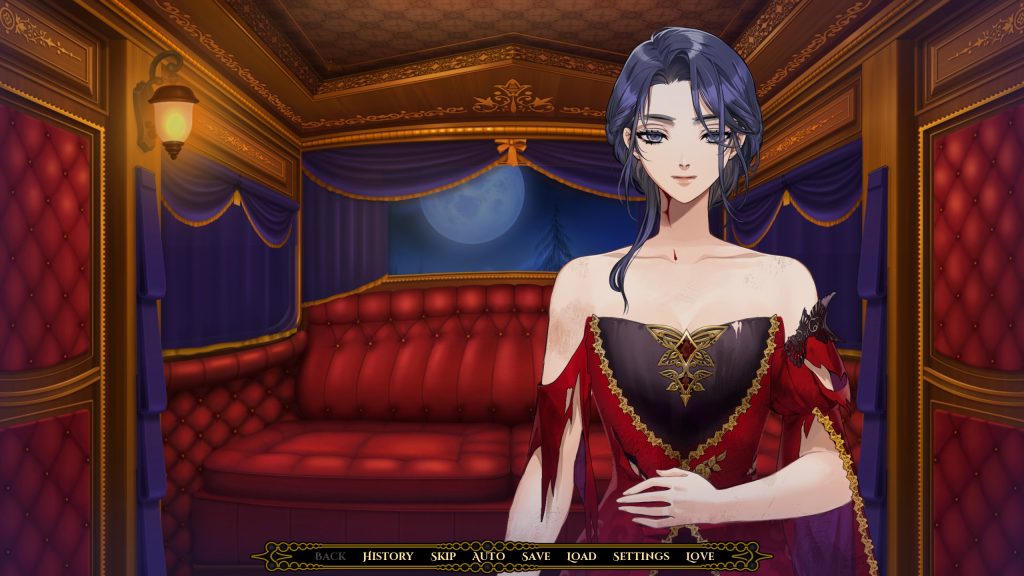
The developmental trajectory of this project is currently marred by a palpable fragility in its financial foundation, a condition which necessitates a discerning approach when formulating preliminary assessments. While the foundational concept exhibits considerable intellectual vigor and clarity of ambition, the execution of the opening sequence introduces a distinct discordance in pacing. The extended carriage sequence, in particular, operates within an ambiguous zone; it functions either as a pedagogical instrument intended to acclimate the player to the environment, or as a structural artifice designed to artificially inflate the perceived duration of a limited demonstration. In either capacity, the resulting cadence demands an exorbitant degree of patience, challenging the player to remain engaged despite an conspicuously sluggish tempo.
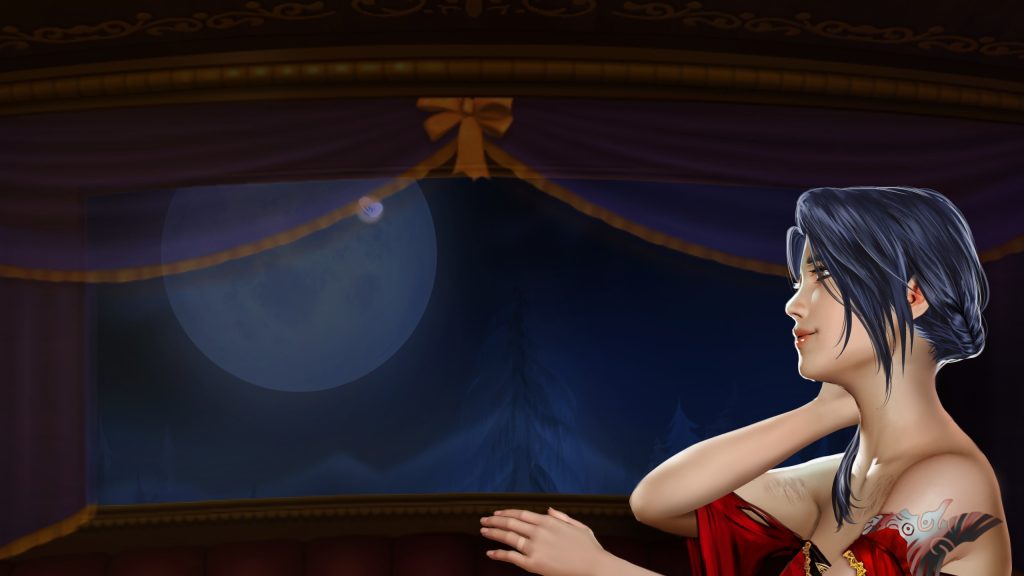
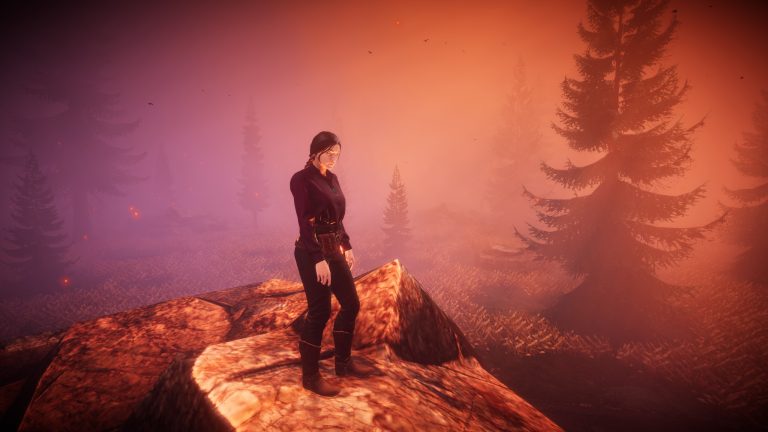
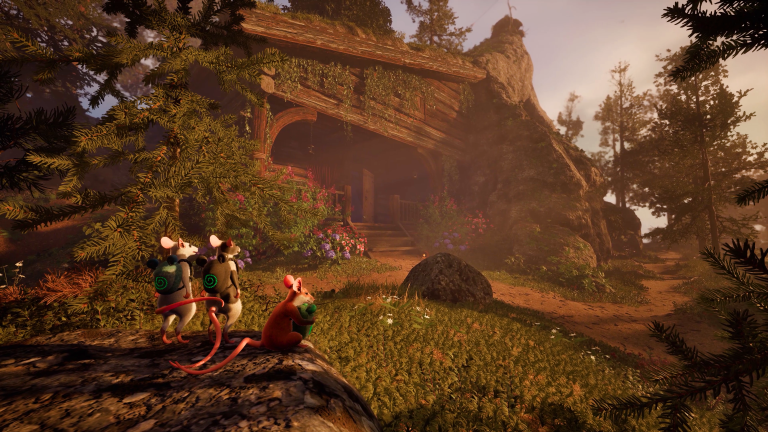
The narrative premise establishes a scenario of acute physiological and psychological distress. Upon awakening within the confines of an unfamiliar carriage, the protagonist bears the hallmark of a traumatic ordeal: a hemorrhaging cervical injury, the absence of personal ornamentation, and cutaneous abrasions on her ankles consistent with prolonged restraint. The shredded state of her attire further reinforces the gravity of her plight. Logic dictates that such circumstances would catalyze an immediate imperative toward self preservation, necessitating the acquisition of provisions, sanitization, and the restoration of personal agency. Yet, the narrative trajectory exhibits a curious inertia, eschewing this logical urgency in favor of a protracted, measured approach toward a domestic threshold.
This fundamental tension between the implied stakes and the actual velocity of the narrative creates a significant thematic misalignment. Whether this dissonance arises from a deliberate aesthetic choice to emphasize a state of post traumatic dissociation or is merely a manifestation of the constraints inherent to an early development build, remains unclear. Consequently, the introductory phase emerges as an atmospheric, albeit remarkably restrained, experience. Until the development team reconciles the severity of the protagonist’s predicament with the mechanical rhythm of the opening, the work will continue to exist in a state of unresolved structural tension.
Or I guess I could be nitpicking?

[…] Save the Villainess: An Otome Isekai Roleplaying Game – Octavius Reviews […]
[…] Save the Villainess: An Otome Isekai Roleplaying Game – Octavius Reviews […]