



Newsletter Subscribe
Enter your email address below and subscribe to our newsletter

Rising Above the Noise
 Byocta
CryEngine occupies a singular place in the history of digital interactive entertainment. It arrived as a technological marvel that reshaped expectations of visual fidelity, then faltered as its own ambition outpaced the structures needed to sustain it. The engine’s trajectory reflects a broader industry pattern in which spectacle grows while narrative and systemic daring recede, producing simulations that are visually immaculate yet curiously hollow.
The cultural shock of the original Crysis established CryEngine as a force that pushed hardware beyond its limits. Its forests, skies, and terrain seemed to belong to a future that had arrived early. Yet the same architecture that enabled such brilliance proved unforgiving. Studios struggled with incomplete documentation, volatile tools, and the instability created by Crytek’s financial turbulence. Confidence eroded as competitors offered ecosystems that were easier to adopt and maintain.
CryEngine became emblematic of a modern creative paradox. The industry mastered the art of rendering emotional intensity with breathtaking precision, while the underlying systems grew increasingly reluctant to explore genuine consequence or ideological conflict. The spectacle often obscured the absence of depth.
This essay examines CryEngine as both a technological achievement and a cultural artifact. It is a study of ambition, fracture, and improbable survival, and of what happens when a creation refuses to bend to the pressures that reshape everything around it.
For more than two decades, CryEngine has occupied a peculiar place in the landscape of digital interactive entertainment. It arrived as a technological marvel, reshaped the expectations of visual fidelity, fractured under the weight of its own ambition, and survived through a combination of stubbornness and circumstance.

Its story mirrors a broader pattern within the industry, one in which technical spectacle expands while narrative and systemic audacity recede. The result is a generation of immaculate simulations that often feel strangely hollow.
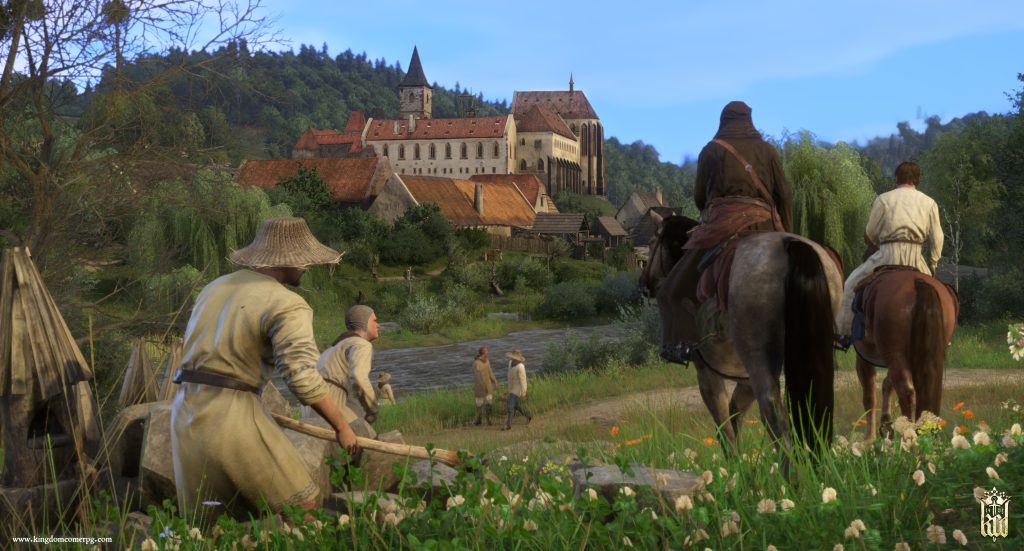
The origins of CryEngine are inseparable from the cultural shockwave created by the original Crysis. The game did not simply challenge contemporary hardware. It humiliated it. CryEngine’s rendering pipeline produced dense forests, luminous skies, and terrain that seemed carved from geological memory.
The engine’s early identity was defined by excess. It was built to overwhelm machines and force the industry to evolve. In those years, CryEngine felt less like a tool and more like a provocation.
Yet the brilliance of the engine concealed a structural fragility that would later define its trajectory. As CryEngine moved beyond internal use, studios discovered that its power came with a cost. Documentation was inconsistent. Tooling was incomplete.
The learning curve was steep enough to discourage all but the most determined teams. Crytek’s financial instability amplified these problems, interrupting development and eroding confidence among external partners. While Unreal matured into a stable ecosystem and Unity democratized development for smaller teams, CryEngine remained visually formidable but operationally hostile.
This tension between spectacle and structure reflects a larger phenomenon within the modern high‑budget ecosystem. As technical capabilities expand, narrative and systemic ambition often contract. Developers increasingly substitute superficial fidelity for genuine thematic complexity.
The industry has mastered the creation of breathtaking aesthetic vessels, yet these flawless shells frequently mask a profound interior vacancy. CryEngine became the archetype of this trend. It could render immaculate physiological detail, but the surrounding design frameworks rarely permitted players to engage with genuine moral consequence.
The promotional language surrounding contemporary projects illustrates this dynamic with remarkable clarity. A sequence may open with a hyper‑detailed close up of a protagonist’s eyes, described in production notes as a trance of trauma or fury. The image is beautiful. The rendering is immaculate. Yet the gaze is hollow. It becomes a metonymy for the experience itself. The system creates a pristine simulation of emotional intensity, while the underlying mechanics remain unwilling to explore authentic degradation or ideological conflict.
To divert attention from these vacant core structures, studios often emphasize architectural spectacle. Proprietary technology capable of rendering thousands of agents in real time is presented as a revolutionary breakthrough.
The audience is invited to marvel at the optimization of dense crowd behavior. The fundamental mechanics of governance, corruption, and systemic power remain theoretical, deferred to a vague post‑launch horizon. Computational scale becomes a rhetorical diversion. Mechanical depth becomes an afterthought.
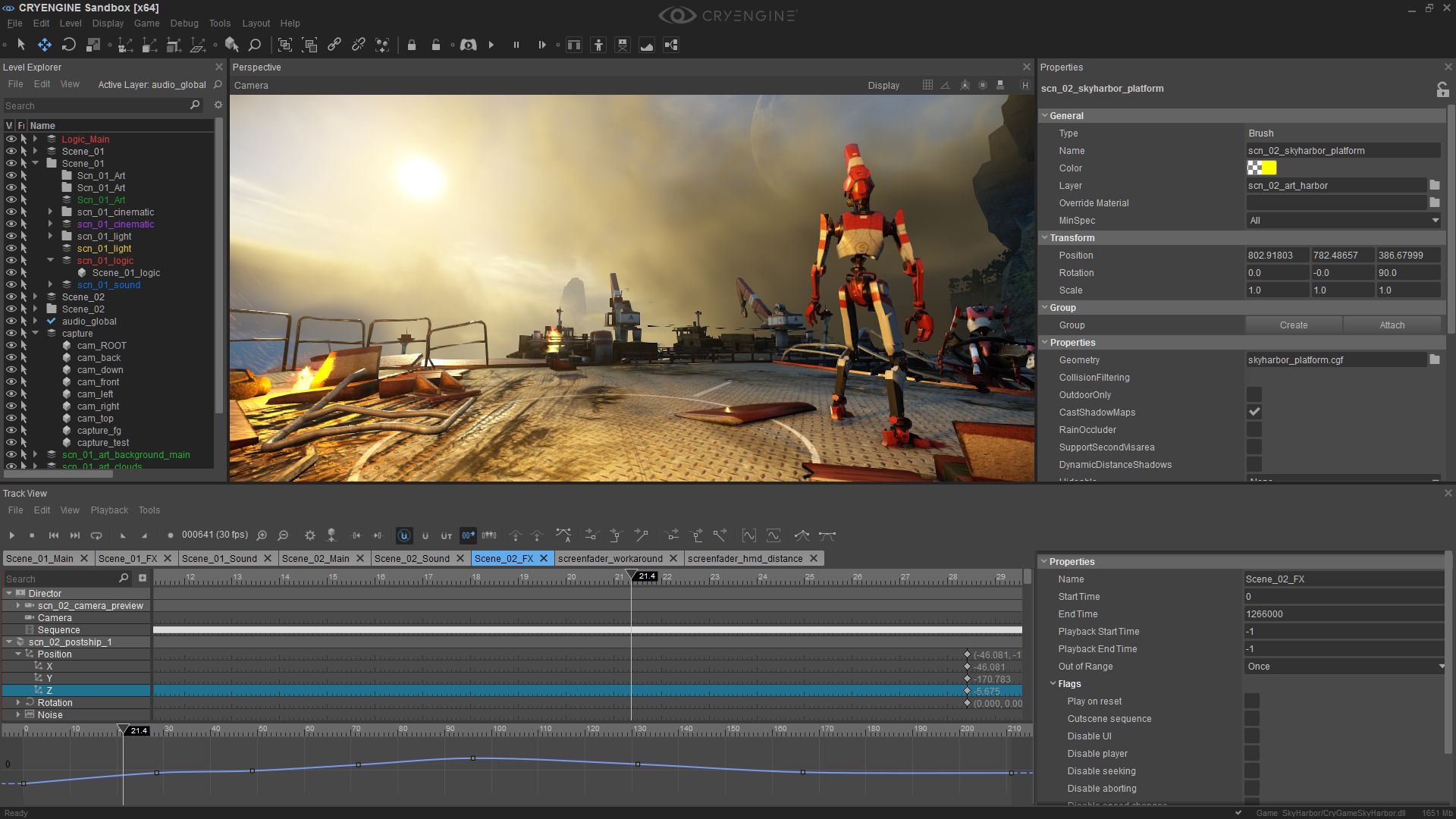
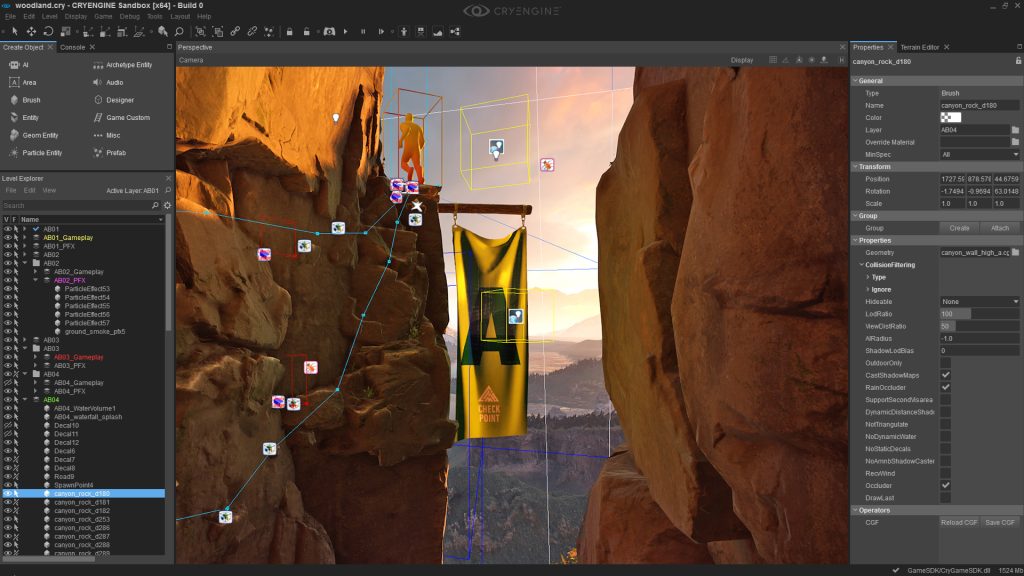
CryEngine’s decline can be traced through this pattern. The engine’s rendering complexity created bottlenecks that slowed development. The sandbox editor was powerful yet volatile, frequently triggering memory conflicts.
Platform support remained limited, with console optimization proving persistently difficult. Documentation gaps forced teams to reverse engineer core systems. Crytek’s financial crises repeatedly interrupted engine development, leaving studios without reliable long‑term support. The autopsy reveals a paradox. CryEngine was not defeated by competitors. It was defeated by its own architecture.
Yet the engine did not disappear. It contracted into a smaller, more focused ecosystem centered around Crytek’s own projects. Hunt Showdown became its lifeline, demonstrating that CryEngine could still produce extraordinary results when wielded by a team that understood its idiosyncrasies.
The game’s atmospheric lighting, dense environments, and dynamic sound propagation showcased the engine’s enduring strengths. CryEngine survived because it offered a visual identity that no other engine fully replicated. It became a boutique technology for studios willing to accept its demands in exchange for its aesthetic output.
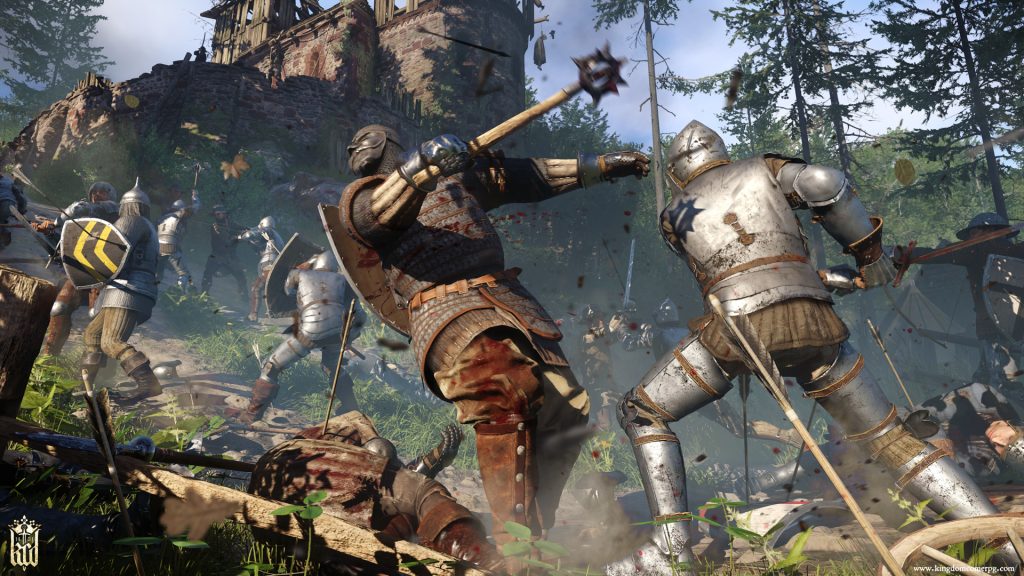
The legacy of CryEngine is defined not by its market share but by its audacity. It represents an era when engines were built to challenge hardware rather than accommodate it. Its rise was meteoric. Its fragmentation was dramatic. Its survival remains improbable. The CryEngine Drama endures because it captures the purest expression of technological ambition in PC gaming history. CryEngine did not fail. It simply refused to compromise.

The CryEngine a deep dive.