
Newsletter Subscribe
Enter your email address below and subscribe to our newsletter

Rising Above the Noise

 Byocta
The Steam Next Fest demo for The Guild: Europa 1410 was supposed to be a triumphant declaration of intent. Instead, the playable build delivered a sobering manifestation of the ultimate developmental failure, a beautiful, high fidelity shell that appears entirely vacant of any genuine moral weight or mechanical density. With an Early Access monetization launch aggressively scheduled for July 16, 2026, this slice of the game presents an alarming disconnect between marketing prose and structural reality.
To understand why this demo feels so profoundly jarring, one must look past the superficial performance hitches and dissect the underlying architectural contradictions.
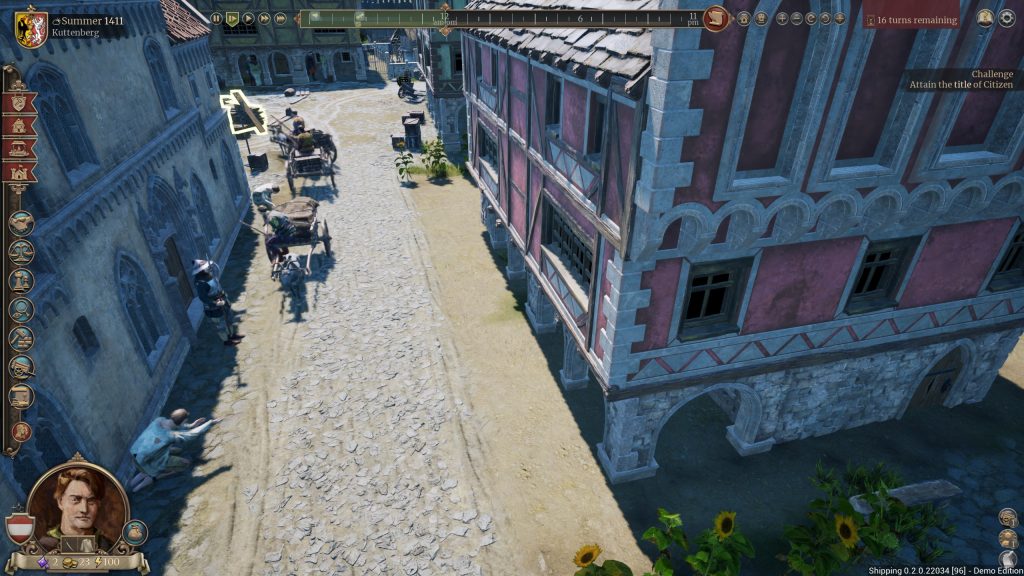
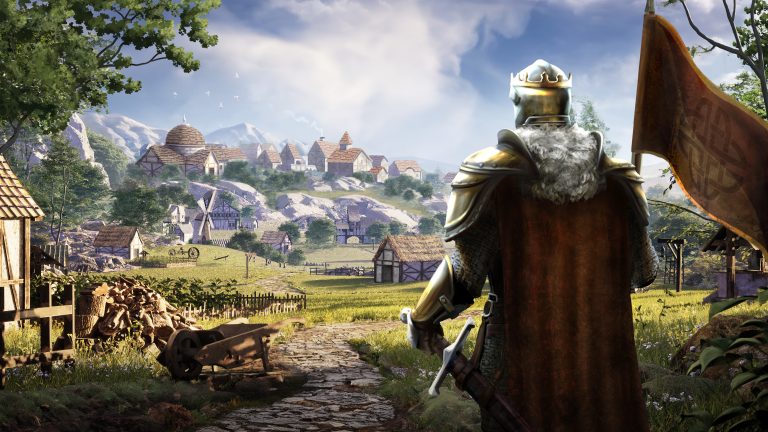
The visual presentation of the demo exposes a fundamental misallocation of development resources. Utilizing Unreal Engine 5, the world environment itself possesses a sharp, geometric structural integrity. The masonry, the cobblestones, and the topographical assets appear pristine. Yet, the moment the camera focuses on the living agents of this world, the illusion shatters entirely.
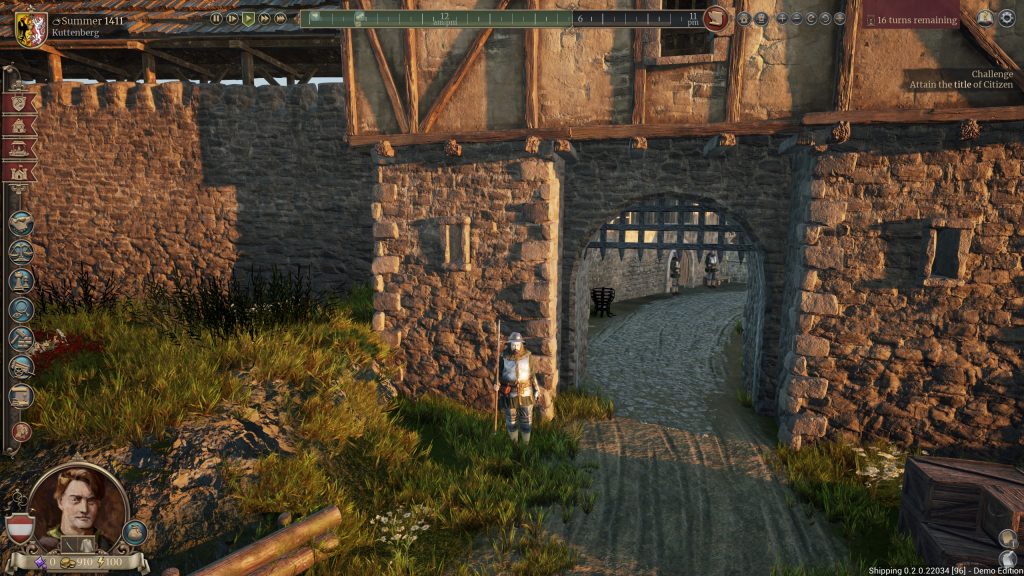
Even when maxed out on modern high specification hardware boasting high end graphics card, the non player characters (NPCs) dissolve into fuzzy, unfinished approximations of humanity. They resemble faceless dolls rather than autonomous historical actors. This visual disparity is the perfect metaphor for the current state of the project, a high resolution canvas draped over an empty room.

The historic brilliance of The Guild franchise, particularly the flawed masterpiece that was The Guild 2: Renaissance, lay in its tactile immersion. It was a simulation where macro economic ambition coexisted with micro level agency. In Europa 1410, that agency has been completely abstracted away.
The Mechanical Regression: The player is fundamentally barred from entering or working within their own workshop.
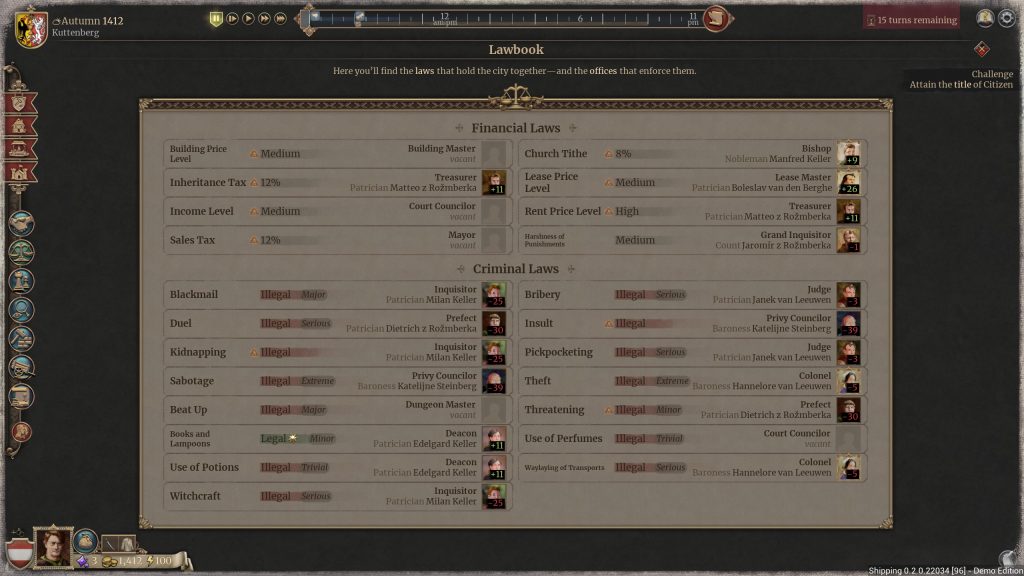
Every meaningful interaction, from local commerce to the foundational act of dynastic courtship, has been flattened into two dimensional, spreadsheet style menus. Courtship is no longer a localized dance of political proximity and social manipulation. It is an administrative transaction completed via a user interface wrapper. When a systemic life simulation forces the player to rule through accounting ledgers rather than dynamic physical presence, it ceases to be a living world and becomes a database with a medieval coat of paint.
The landscape of 2026 does not tolerate theoretical potential or developmental nostalgia. Europa 1410 is entering an ecosystem where the standard for systemic medieval simulation has been irrevocably elevated by independent agility and focused craftsmanship.
| Title | Structural Achievement | Demo/Launch Standard |
|---|---|---|
| Manor Lords | Decades of solo focus yielding an organic settlement loop. | Fully functional core loop from day one. |
| Medieval Dynasty | Seamless integration of first person life simulation with economy. | Stable, tactile day and night survival loops. |
| Sengoku Dynasty | Living world mechanics layered with responsive seasonal cycles. | Deep, experiential profession tracking. |
| Medieval Chronicles | Deep systemic political simulation with real consequence. | Transparent, reactive AI behavior. |
| Bread and Blood | Grounded medieval economics paired with explicit visual identity. | Highly tactile, physical production chains. |
These titles prove that modern players expect a synthesis of high fidelity presentation and mechanical truth. Europa 1410 offers a weak, early stage concept rather than a functioning ecosystem.
There is zero inherent shame in utilizing Early Access monetization to sustain a complex development cycle. However, transparency requires a stable foundation. When a studio uses high resolution cinematic trailers to manufacture prestige, the actual playable evidence must justify that expectation.
The Europa 1410 demo is arguably one of the weakest entries of the current Steam Fest, showing a build that requires at least two full years of structural engineering to meet contemporary genre standards. Announcing immediate monetization on the heels of such a technically compromised showcase is an immense gamble. It risks alienating a community that still carries the scars of The Guild 3’s prolonged developmental torment.
The ambition is commendable, and the lineage of The Guild demands respect. But standing atop this current demo, peering through the blurry rendering at a world governed by flat administrative menus, a profound sense of administrative anxiety is unavoidable. Potential alone cannot build an empire.
The Guild Europa 1410
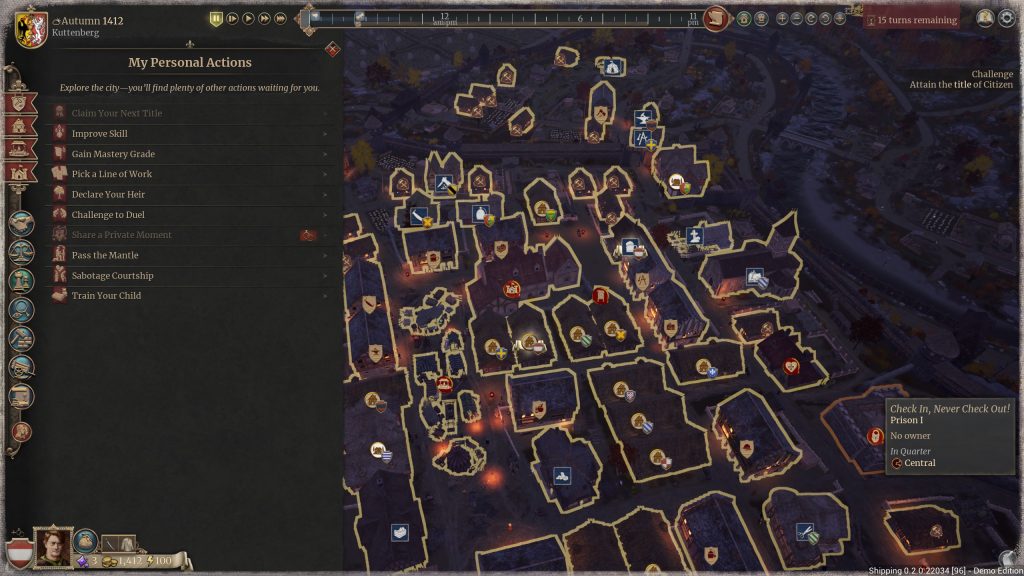
The capitulation of The Guild 1410 on the front of direct character agency represents a fascinating, if predictably sterile, turn in simulation design. By discarding real time avatar control in favor of pure ledger management, the developers have essentially abandoned the theater of the micro level experience to commit fully to macro economics.
This pivot exposes the exact existential tension that plague modern management simulations. On one hand, stripping away the friction of controlling an individual character allows for an uncompromised, mathematically pure simulation of dynasty building. You are no longer wasting precious mechanical processing power on collision detection or pathfinding through medieval alleyways.
On the other hand, the removal of direct physical presence runs the risk of inducing a profound alienation. When human behavior and personal interaction are reduced entirely to cell values, the emergent narrative ceases to feel like a living society. It becomes an optimization problem. The core question is whether the depth of the systemic simulation can compensate for the total loss of visceral, immediate agency.
The Guild Europa 1410 Planned Release Date: 16 Jul, 2026 Early Access

Comments are closed.

[…] Review […]
We cannot review the game officially until it is released. Until now there was only a demo, and that was unfinished to be polite. In September is when the EA is set to drop. It will not be until then that we will be able to see whether they lived up to their promises.