



Newsletter Subscribe
Enter your email address below and subscribe to our newsletter

Rising Above the Noise

 Byocta
When Kalypso announced Tropico 7 shortly after concluding support for Tropico 6, many veteran players expected the next entry to build upon everything the series had learned over the years. After spending time with the Colonial Era demo, that expectation appears well founded. Tropico 7 does not feel like a radical reinvention of the franchise. Instead, it feels like the game the developers might have built if they had the benefit of six previous releases and years of hindsight.
The result is a sequel that already looks poised to become the better designed game. At the same time, it faces an unusual challenge. It must convince long time fans to leave behind a version of Tropico 6 that has spent years accumulating content, mechanics, industries, and expansion packs.
That tension lies at the heart of Tropico 7’s early identity.
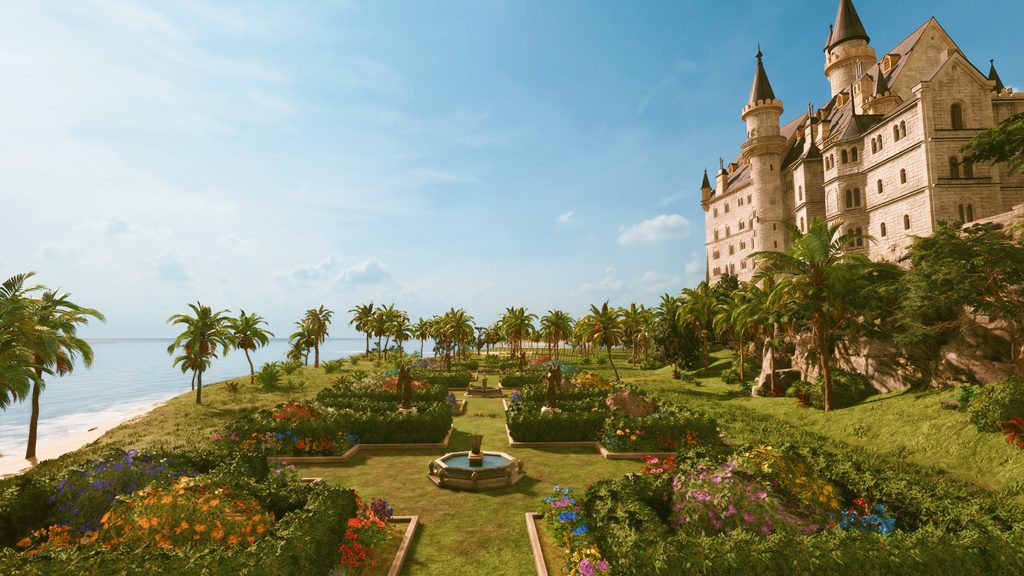
The easiest comparison is to imagine Tropico 6 rebuilt on a more modern technological foundation.
The visual presentation immediately feels cleaner. The interface has been refined, information appears more accessible, and the overall experience conveys a greater sense of polish. The humor, politics, and island management that define the franchise remain intact, but everything surrounding those systems feels more modern and streamlined.
For veteran players, much of the gameplay will feel familiar. This is not a complete redesign of the Tropico formula. Instead, it is an attempt to improve systems that have been refined across multiple entries.
That familiarity is ultimately one of the demo’s greatest strengths. Rather than chasing trends or reinventing itself for the sake of novelty, Tropico 7 appears focused on improving the fundamentals.

The most noticeable change during the Colonial Era concerns production management.
In Tropico 6, there was often a hard limit to how much value could be extracted from a production building. Once budgets had been increased, upgrades purchased, and work modes selected, there were few meaningful ways to continue expanding output. If additional corn was needed, the solution was usually simple: build another farm.
Tropico 7 introduces a more scalable approach.
Plantations can now be expanded through additional fields, allowing existing infrastructure to grow rather than forcing players to duplicate the same building repeatedly. On paper this sounds like a small quality of life improvement. In practice it changes the way island growth feels.
Expansion becomes more deliberate. Infrastructure develops vertically rather than simply spreading across the map. Production capacity can be increased without immediately demanding new workers, new buildings, and additional operating expenses.
Most importantly, it reduces one of the recurring frustrations of Tropico 6: building spam.
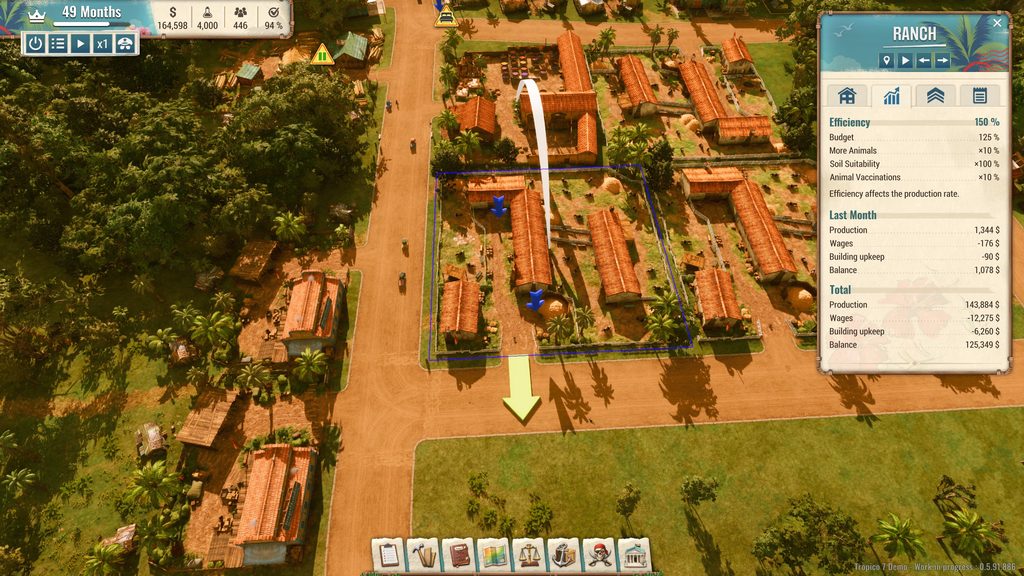
One of the common economic traps in Tropico 6 involved continuous expansion. Increasing production usually required increasing budgets, hiring more workers, and constructing new facilities. While successful industries generated additional income, they also created new expenses. A labor shortage, supply interruption, or production bottleneck could quickly transform healthy profits into a financial crisis.
Veteran players learned how to avoid these traps, but the underlying issue remained. Growth often meant committing to ever increasing operational costs.
The Colonial Era demo suggests Tropico 7 is attempting to address that weakness.
By creating additional ways to improve existing structures, economic growth appears more closely tied to optimization than expansion. The result is a financial model that feels healthier and more sustainable. Wealth accumulation appears more closely aligned with productive output, while growth feels less dependent on endlessly constructing duplicate facilities.

Ironically, Tropico 7’s greatest challenge may have nothing to do with its design.
The problem is Tropico 6. More specifically, the problem is what Tropico 6 became after years of continuous support. Most comparisons between sequels focus on launch versions. Players, however, rarely make purchasing decisions that way. They compare products available today.
That means Tropico 7 is not competing against the 2019 version of Tropico 6. It is competing against Tropico 6 Complete Edition. That distinction changes everything.
Years of downloadable content have transformed Tropico 6 into an enormous sandbox filled with additional industries, unique buildings, alternative development paths, tourism opportunities, monuments, and specialized mechanics. The game offers a level of variety that no newly released sequel can reasonably match on day one.
As a result, Tropico 7 enters a somewhat unusual situation. It may already be the better designed game while simultaneously being the smaller game.
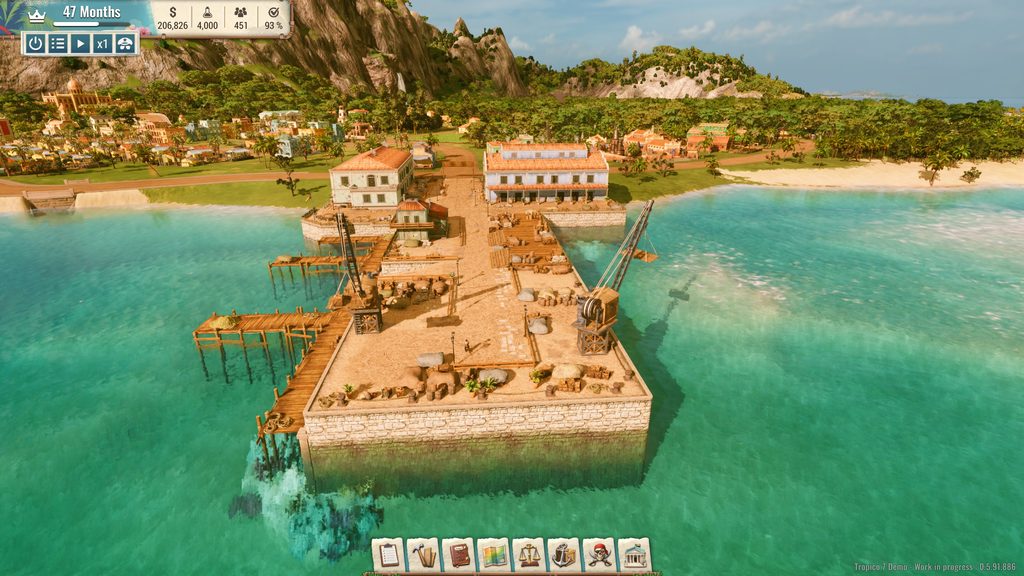
This is why I would caution seasoned fans against rushing to upgrade immediately. Not because Tropico 7 lacks promise, and certainly not because the underlying design appears weaker. In fact, the opposite may be true. The demo suggests that many of the series’ long standing economic and management frustrations are already being addressed. The concern is one of value rather than quality.
Veteran Tropico players understand how this franchise evolves. The base game establishes the foundation. The years that follow are spent expanding that foundation through additional content and new mechanics. Tropico’s history has been remarkably consistent in this regard, and there is little reason to believe Tropico 7 will follow a different path.
For newcomers, that may not matter. Tropico 7 appears to offer a more polished and accessible version of the core formula. New players are likely to experience the game on its own merits and find plenty to enjoy.
Long time El Presidentes face a different calculation. So don’t go in for the FOMO!
Play The Demo and Compare for yourself!