


Newsletter Subscribe
Enter your email address below and subscribe to our newsletter

Rising Above the Noise
 Byocta
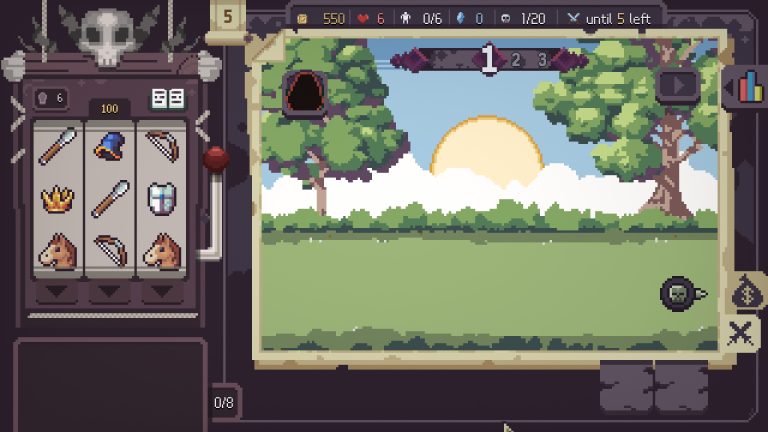
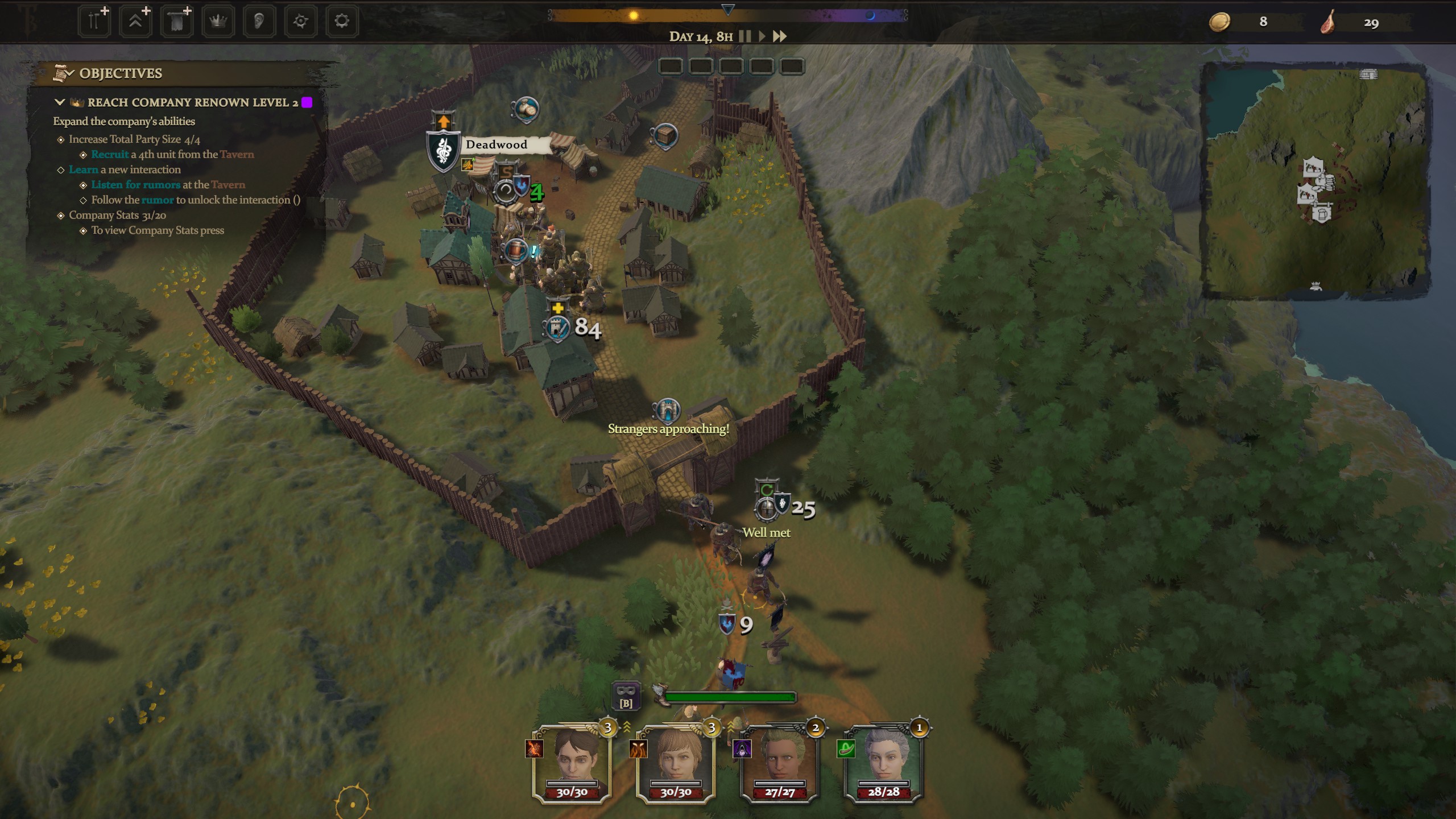
Tattered Banners positions itself as a small tactical skirmisher built around the slow, deliberate growth of a mercenary company. You begin at the bottom with a handful of recruits, limited resources, and a fragile sense of stability. Every character under your banner is a direct member of your party, and every improvement feels personal because the scale is intentionally narrow.
The core loop of Tattered Banners revolves around building and maintaining your mercenary group. You start with minimal equipment, low level characters, and a constant pressure to improve their capabilities. Leveling your party members, upgrading their gear, and keeping them alive becomes the central focus. Because the roster is small, every decision carries weight.
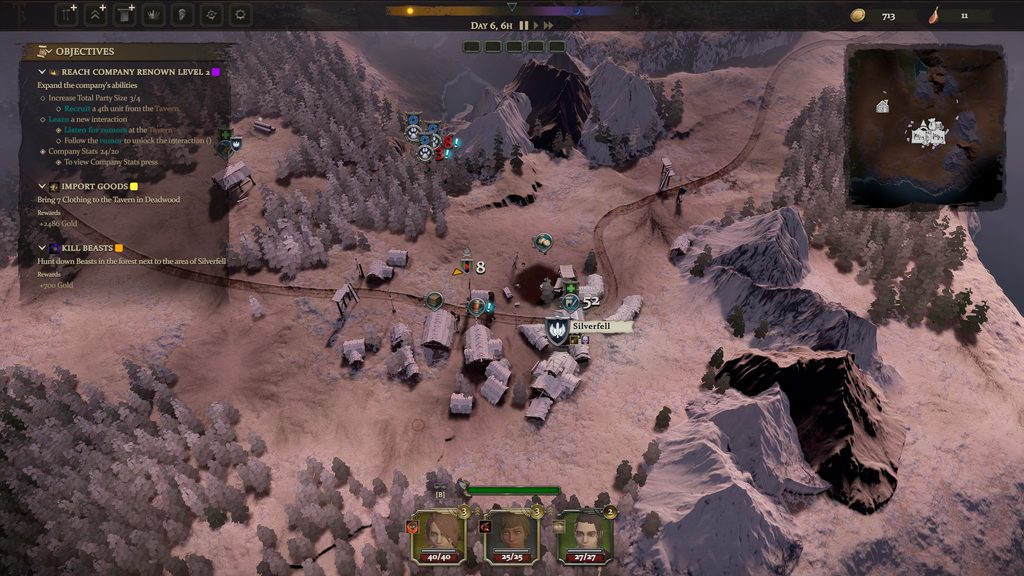
When a character gains a level or receives a new weapon, the improvement feels tangible. The game gives you a grounded sense of what it means to operate inside an adventuring party rather than commanding an army. You are not managing faceless units. You are trying to elevate individuals who depend on your choices. Combat encounters reinforce this intimacy.
Engagements are brief, readable, and mechanically conservative. Positioning, timing, and incremental advantage matter more than elaborate systems or deep ability trees. The tactical space is narrow, but it is consistent. You know what your units can do, you know what the enemy can do, and the game rarely surprises you with sudden complexity.

This clarity allows the player to focus on the development of the group rather than on deciphering complicated mechanics. The satisfaction comes from watching your party grow from fragile novices into a competent formation capable of handling increasingly difficult encounters. The structure gives the player a taste of what an adventuring party member might feel like. You are not a distant commander issuing orders from above.
You are embedded in the struggle, trying to keep your people equipped, leveled, and ready for the next fight. The scale reinforces this perspective. Progress is slow, resources are scarce, and every improvement feels earned. Tattered Banners succeeds when it captures the small satisfactions of survival and growth within a constrained tactical environment.
Yet this growth is never secure. Tattered Banners places you in the role of a mercenary leader, but it makes advancement precarious. Characters often die before they can meaningfully level, equipment upgrades arrive slowly, and the margin for error is narrow. The game encourages long term investment in your roster, but it simultaneously threatens that investment at every turn.
You are trying to build a company, yet you operate under conditions where progress is fragile and easily erased. This tension becomes the defining experience of the game. You must treat every encounter as a risk to the very foundation you are trying to develop, and the result is a constant negotiation between ambition and caution.
Tattered Banners is still in an early and incomplete state, and any attempt to claim that it already delivers a finished experience would be premature. The current build shows the outline of a tactical framework, but the systems are not yet fully formed. What does stand out is the emerging quest and gossip structure. The game gives you fragments such as a place, a time, and a rumor, and it asks you to act on them. It is an unusual approach because it lets the player influence the world through partial information rather than through scripted objectives.
The system is not complete, but it is already the most interesting part of the game. It hints at a design where discovery, timing, and attention matter as much as combat. With the planned early access release set for the first quarter of 2027, it is still early days for this project.
Rating: Planned Release Date: Q1 2027