


Newsletter Subscribe
Enter your email address below and subscribe to our newsletter
Rising Above the Noise
 Byocta
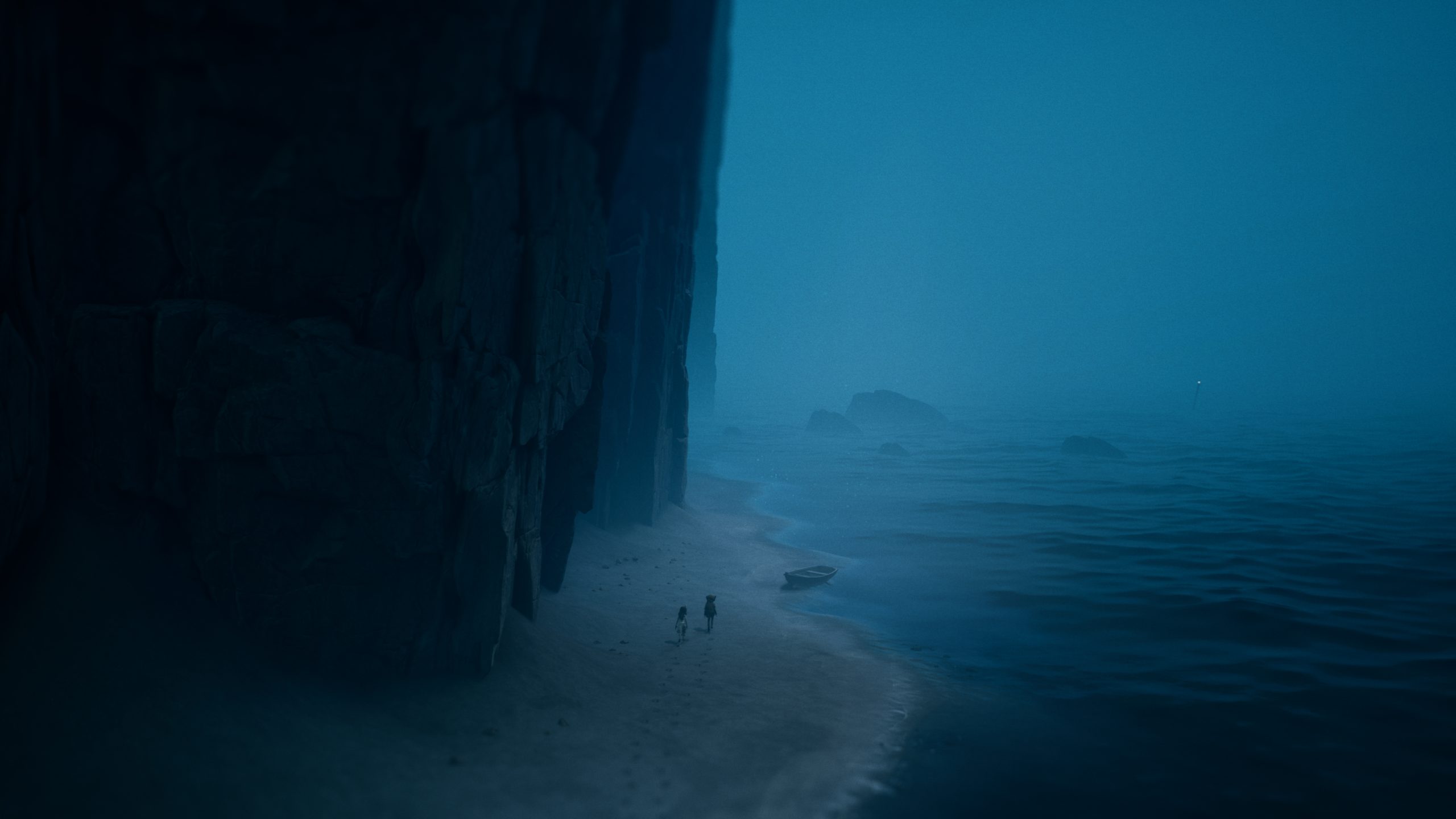
REANIMAL introduces a cooperative horror experience that expands the cinematic puzzle platformer tradition through its focus on shared perspective, nonlinear traversal, and corporeal threat. The story follows a brother and sister who cross a nightmare version of their home island in search of their missing friends, and this straightforward premise provides emotional clarity within a world that has been reshaped into a hostile archipelago.
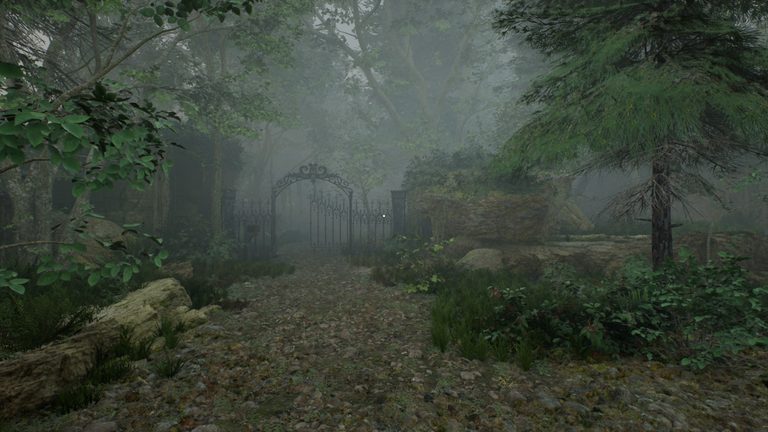
The flooded landscape, the fractured geography, and the constant sense of danger establish a foundation that supports both narrative urgency and atmospheric weight.
At the center of the experience lies a directed cinematic camera that governs how players perceive the environment. Instead of dividing the screen or offering independent viewpoints, the camera binds both players to a single frame, creating a sense of mutual exposure that shapes every moment of traversal. This shared perspective becomes a mechanical and psychological anchor, since each movement influences what the other player can see.
The world reinforces this tension through its structure. Travel between island zones requires a small boat, and this method of navigation introduces a rhythm of exploration that moves beyond corridor driven progression. Optional paths, hidden clues, and environmental details encourage players to investigate spaces that sit outside the main route, and the cooperative framework ensures that these discoveries unfold as shared experiences rather than isolated moments.
The game’s atmosphere gains force through its commitment to direct physical horror. Creatures that inhabit the island appear as grotesque, mutated forms whose presence conveys immediate danger. This approach marks a tonal shift from the implied menace associated with earlier works in the genre.
The emphasis on corporeal threat aligns with the game’s reliance on stealth, environmental navigation, and physical puzzle solving. Combat does not exist, and the absence of weaponry reinforces the protagonists’ vulnerability. Encounters demand caution, observation, and coordinated movement, and the cooperative structure transforms these challenges into moments of collective tension. Unreal Engine Five supports this tone by rendering environments with a level of fidelity that enhances the sense of physical immersion, allowing the world’s textures, lighting, and spatial detail to contribute directly to the atmosphere.

Within the broader lineage of cinematic horror platformers, REANIMAL occupies a distinct position. Playdead established the genre’s foundations through Limbo and Inside, and Tarsier Studios expanded those principles into a more elaborate three dimensional space with Little Nightmares.
Rating 3 out of 5 Thumbs: 👍 👍👍
REANIMAL inherits this tradition while pushing it forward through its cooperative architecture, nonlinear island structure, and darker aesthetic. Other titles in the space, including Little Nightmares Three, Bramble, DARQ, Shady Part of Me, and Somerville, provide useful points of comparison, yet REANIMAL distinguishes itself through its focus on shared perspective, corporeal threat, and environmental traversal. The result is a work that demonstrates how the genre can evolve when given access to contemporary production tools and a willingness to embrace cooperative tension as a central mechanic.
The final impression is one of confident expansion rather than radical reinvention. REANIMAL respects the foundations of the cinematic horror puzzle platformer while offering a meaningful extension of its possibilities.
The journey of the brother and sister across the fragmented island chain reflects the game’s broader commitment to emotional resonance and cooperative design. Through its shared camera, nonlinear exploration, and corporeal horror, the title establishes an identity that feels grounded in its influences yet distinct in its execution.