



Newsletter Subscribe
Enter your email address below and subscribe to our newsletter

Rising Above the Noise
 Byocta
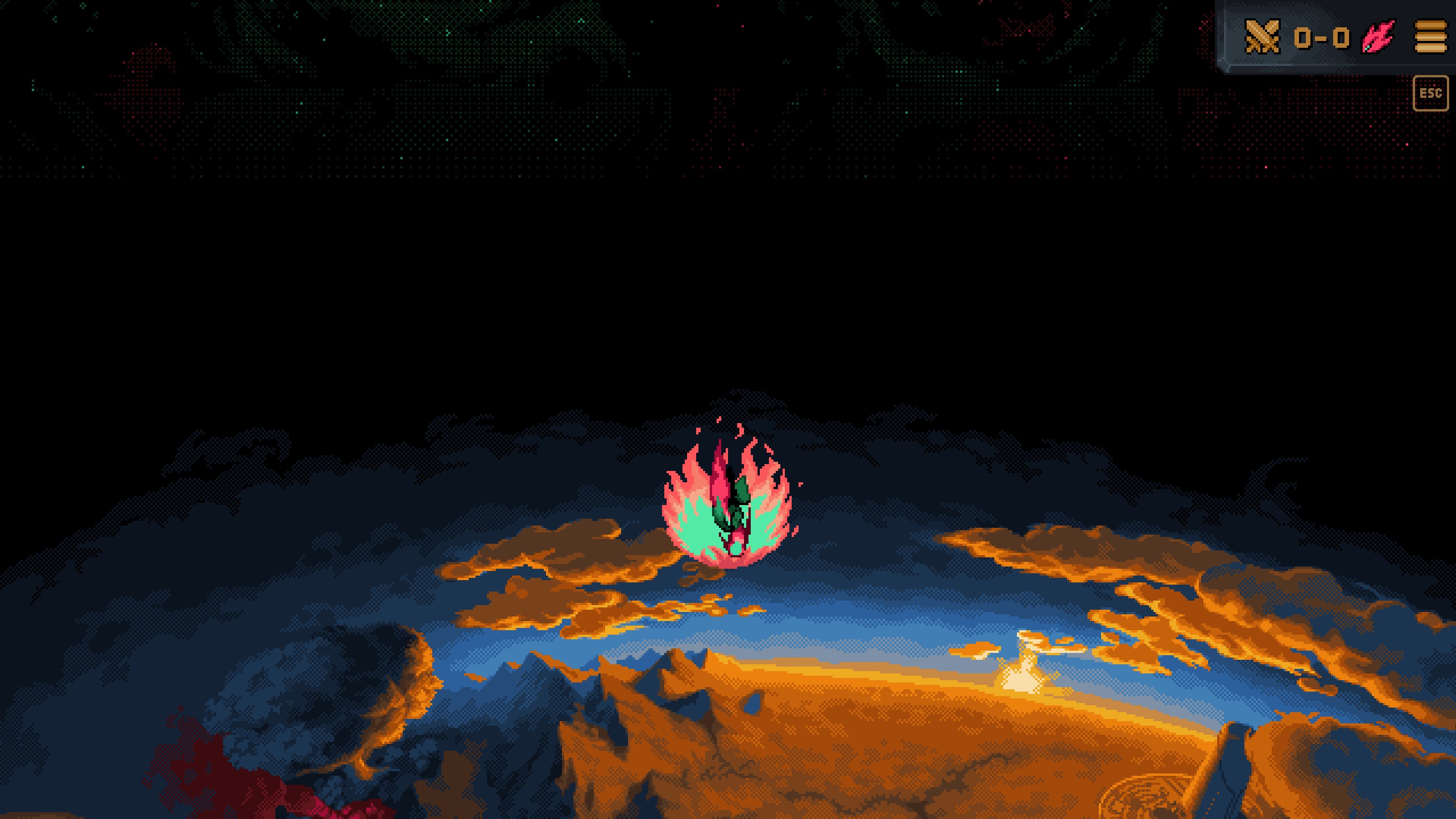
Attack of the Astrals emerges as a fascinating tactical experiment that attempts to distill the complexity of grid based strategy into a pure movement based loop. By removing traditional menus and forcing the player to treat every displacement of their three champions as an offensive maneuver the developers have created a system that feels closer to a rigid board game than a traditional tactical RPG. This departure from convention is the games primary strength but also its most significant point of friction.
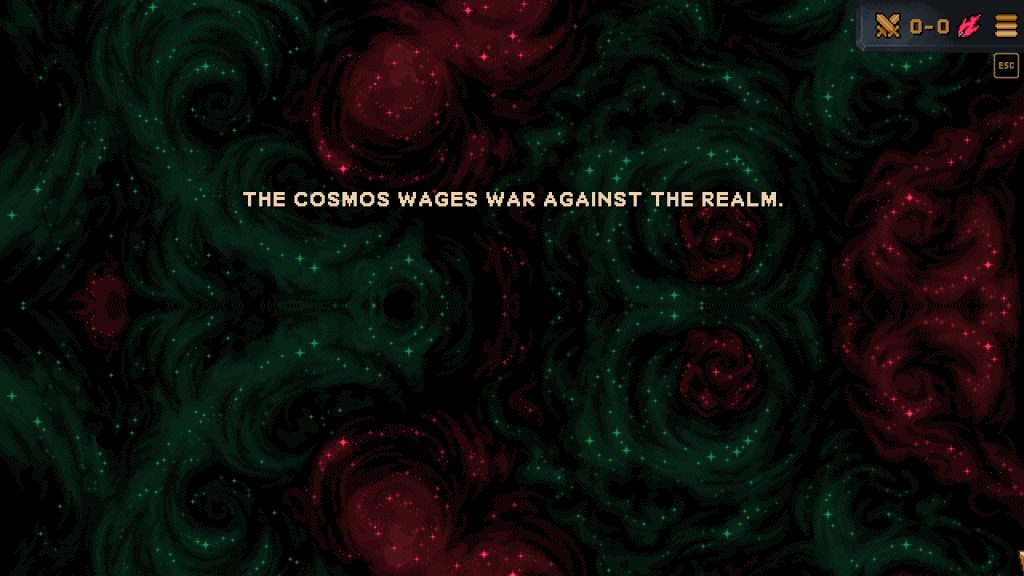
The gameplay loop in Attack of the Astrals is defined by a 3 move combo system that demands constant spatial awareness. Because each champion automatically unleashes an area attack upon landing the player must constantly account for the relative positioning of allies and enemies to avoid self sabotage or wasted turns. It is a system that rewards the long term planning typically associated with puzzle games rather than the reactionary decision making found in most roguelikes. While the mechanical foundation is undeniably solid it can quickly devolve into a repetitive cycle where the player feels less like a commander and more like a logic engine resolving a series of geometric constraints.
The limitation here lies in the game’s narrow scope. While the “move to attack” mechanic is clever it remains a singular trick that the entire experience is built upon. Without sufficient variety in enemy behavior or champion synergy the tactical depth promised by the early levels risks evaporating as the game progresses. It is a title that excels in the short term but may struggle to maintain its structural integrity over a longer campaign. For the strategist who finds pleasure in the austerity of a well designed board game it offers a satisfying challenge but for those seeking a more expansive or narrative driven tactical experience it may feel somewhat hollow.
Attack of the Astrals serves as a competent proof of concept for a movement focused tactical roguelike. It successfully strips away the bloat of modern genre entries to focus on the raw mechanics of positioning and synergy. However its adherence to a rigid and singular gameplay loop prevents it from achieving the heights of a truly essential title. It is a precise and functional experience that respects the player’s intelligence but ultimately offers limited longevity for those who require more than just a well executed logic puzzle to stay engaged.
Rating 2 out of 5 Thumbs: 👍 👍