


Newsletter Subscribe
Enter your email address below and subscribe to our newsletter

Rising Above the Noise
 Byocta
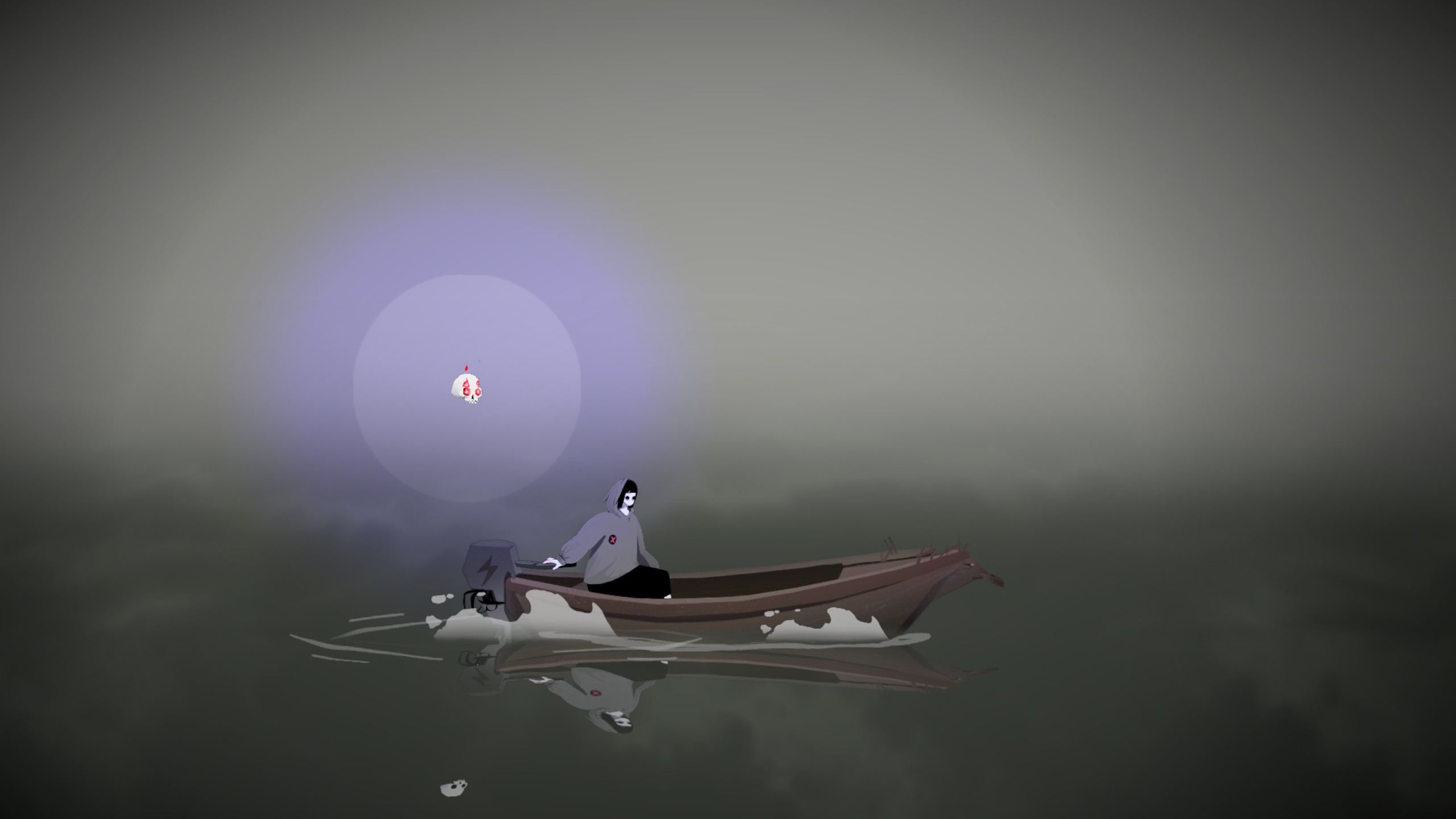
Vale’s Echo approaches horror from an oblique angle. It does not rely on the familiar vocabulary of the genre. There are no sudden shocks, no theatrical monsters, and no orchestral stabs designed to force a reaction. Instead, the game builds its unease through the quiet strangeness of death and the disorientation of the afterlife. It treats the boundary between the living and the dead as a space where logic has softened and memory has begun to fold in on itself. The result is a slow, deliberate form of horror that lingers rather than strikes. This creates a very real horror vibe that almost become normalized throughout the game.
The game’s central strength lies in its use of artifacts. Every object feels like it has been handled by someone who is no longer entirely present. Notes are incomplete. Photographs are damaged in ways that do not make sense. Environmental details behave like echoes of a world that has already ended. Clues are woven into every scene, but the player must decide what is relevant and what is simply another fragment of a life that has already slipped out of order. These artifacts are not simple collectibles. They are the architecture of the game’s haunted atmosphere. Each one adds a layer of distortion, as if the player is piecing together a life that has already slipped out of chronological order.
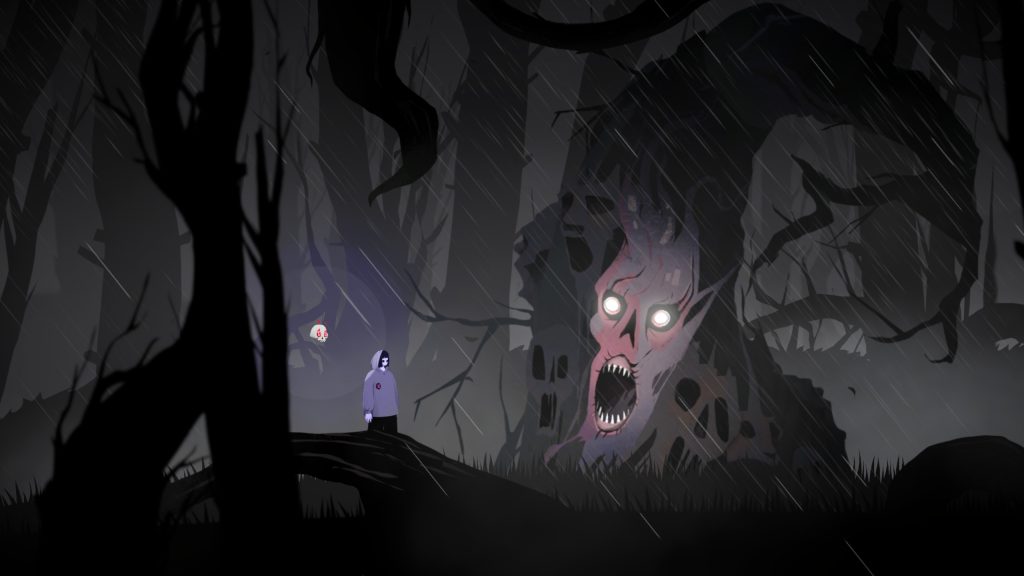
The production quality is consistently strong. The lighting is restrained and purposeful, creating a sense of depth without resorting to darkness for its own sake. The sound design is sparse but effective, built around distant reverberations and the faint suggestion of movement in empty rooms. The visual presentation avoids excess and instead focuses on clarity, texture, and the subtle degradation of familiar spaces. The game feels handcrafted, and that craftsmanship supports the tone at every moment.
The puzzle design reinforces the narrative themes. Solutions rarely feel mechanical. Instead, they resemble rituals or attempts to communicate with something that does not fully understand the living world. The puzzles are not difficult in a traditional sense, but they are unsettling because they operate on a logic that is slightly misaligned. The player is forced to adapt to this new logic, and that adaptation becomes part of the horror. The game does not frighten through threat. It frightens through disorientation.
Vale’s Echo succeeds because it understands that horror is most effective when it is not explained. The game allows its world to remain ambiguous. It trusts the player to interpret the fragments, the artifacts, and the echoes without forcing a definitive answer. The result is a haunted experience that feels personal rather than prescriptive. It is a quiet, deliberate, and confidently made piece of indie horror that uses its limited scope to create a focused and memorable atmosphere.
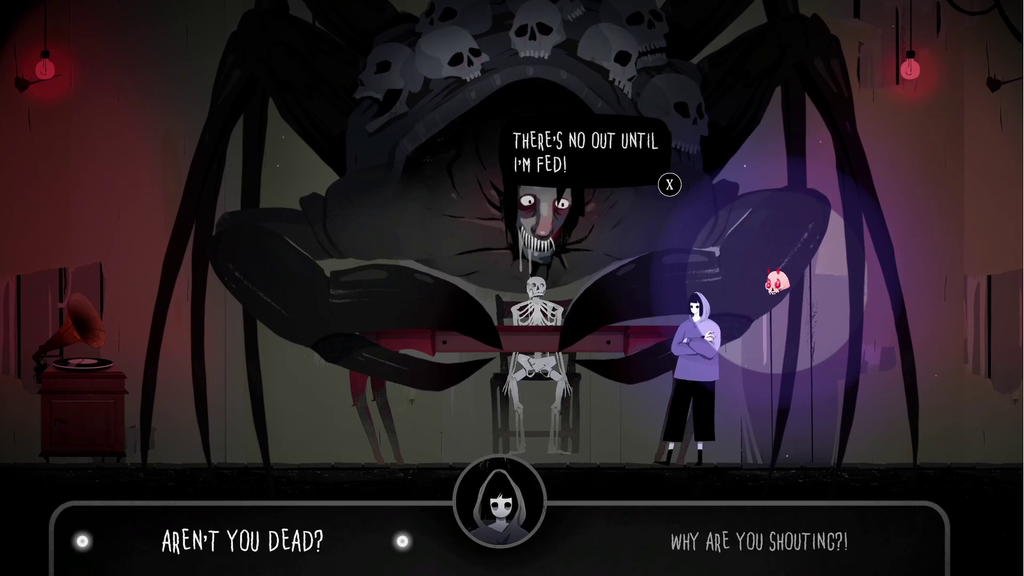
Vale’s Echo is now targeting a 2027 release, with multiple outlets listing either June 29 or June 30, 2027 as the planned date.
Vale’s Echo has continued to evolve through steady public updates and showcase appearances. The developers have confirmed a release window in 2027, with multiple outlets identifying late June as the current target. The game is no longer limited to PC. Hollow Beak Games has announced that Vale’s Echo will launch on PlayStation, Xbox, and Nintendo Switch in addition to Steam.
The Steam demo has received several refinements, including new music, improved cutscenes, puzzle clarity adjustments, controller icon corrections, and the addition of an Echo petting interaction.
The title has appeared in multiple indie showcases, including the Secret Sauce Showcase, the Six One Indie Showcase, and the Women Led Games Showcase during Summer Game Fest. IGN India has published a release window trailer that presents updated gameplay and confirms the 2027 timeline.
The game has also surpassed ten thousand wishlists on Steam, indicating strong community interest and continued visibility within the indie space.
https://hollowbeakgames.itch.io/vales-echo