Rising Above the Noise
Byocta
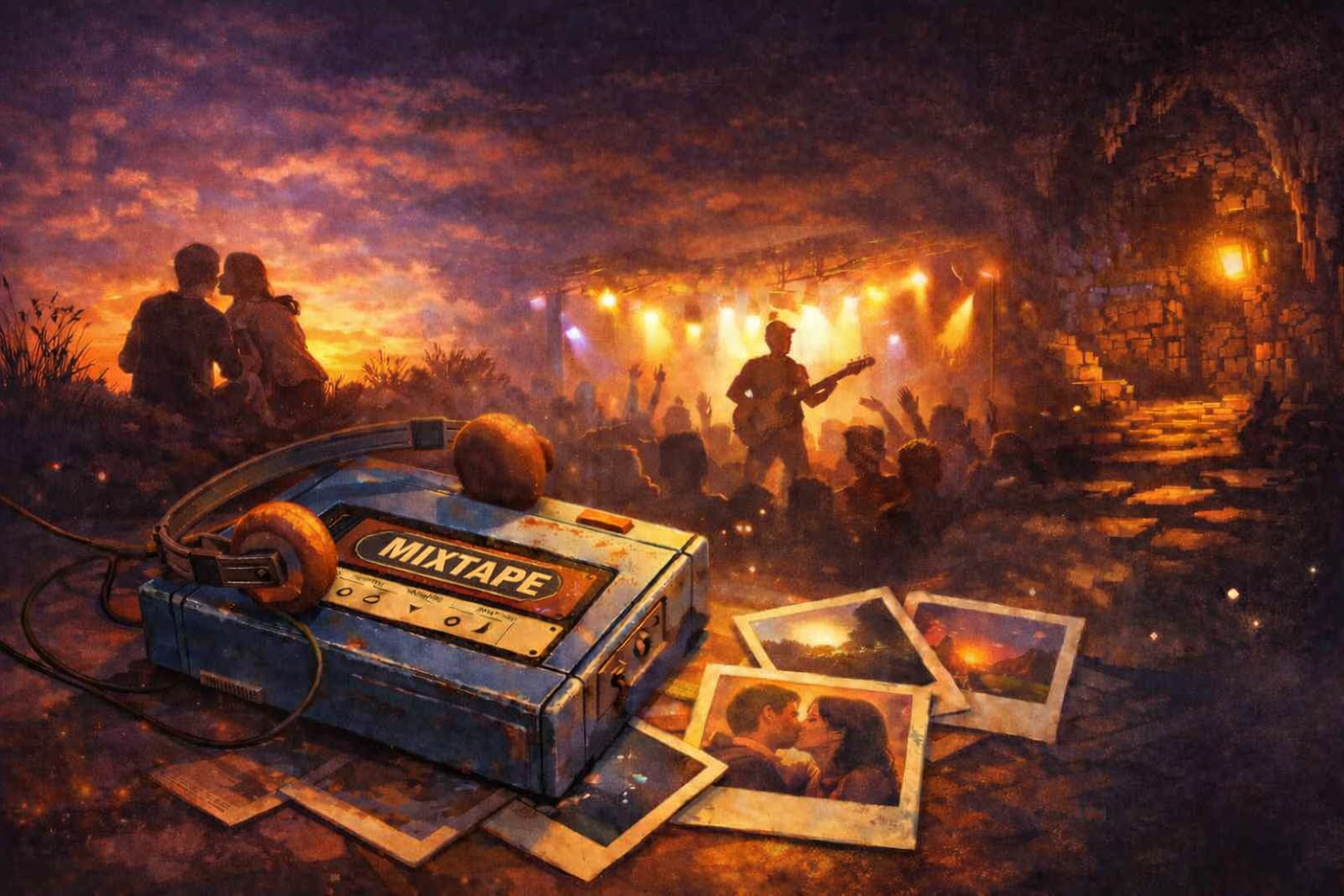
Mixtape proves the narrative microgame is back, backlash or not!
Share your love
The more difficult question raised by Mixtape is not whether short games are valid. The question is what happens to the medium if the success of a short game becomes the new economic model. The medium no longer requires length to justify value. This creates a new tension in a market where production costs continue to rise. A short game with high production values is expensive to create, yet its structure offers no replay value and no long term engagement. If this form becomes widely accepted, players will eventually face a choice between paying premium prices for a one night emotional experience or waiting for a sale and treating the work as a disposable rental. This is not a criticism of the form. It is a recognition of the economic pressure that follows it.
If the narrative microgame becomes a dominant format, the industry will begin to reward titles that deliver a single emotional impact rather than a sustained experience. This shift would change the relationship between player and game. The player becomes a consumer of moments rather than a participant in systems. The value of a game becomes tied to its intensity rather than its longevity. The risk is that the medium drifts toward a culture of disposable experiences in which a short anime inspired microgame becomes the equivalent of a streaming show watched once on a slow night. It is enjoyable, it is memorable for an evening, and then it is replaced by the next release in the queue.
This is the fundamental shift in player consciousness that Mixtape brings into view. The success of the narrative microgame suggests that players are increasingly comfortable with experiences that are brief, curated, and emotionally concentrated. The danger is not that these works exist. The danger is that they become the default expectation for independent studios seeking financial stability. If this happens, mechanical depth becomes optional, replay value becomes rare, and the long form independent game becomes a financial risk that fewer teams can justify.
Mixtape therefore represents both a creative opportunity and a structural warning. It proves that a game can be small without being slight. It also reveals a future in which the economics of short form design may reshape the expectations of players and the strategies of developers. The narrative microgame is not a retreat from ambition. It is a refinement of purpose. Yet if the market embraces it too fully, the medium may lose the breadth of experience that once defined independent creativity. The question is not whether Mixtape is good. The question is what the success of Mixtape encourages the industry to become.