



Newsletter Subscribe
Enter your email address below and subscribe to our newsletter

Rising Above the Noise
 Byocta
Posts
Once Human has undergone a significant structural overhaul that reshapes progression, construction, trading, and the overall identity of the game. The update attempts to modernize core systems and broaden accessibility, yet the results remain uneven. The game now sits at a crossroads where quality of life improvements coexist with deeper frustrations that continue to divide the community.
This review examines how the game feels after the overhaul, how the new systems function in practice, and whether Patch 3.0.3 meaningfully improves the experience.
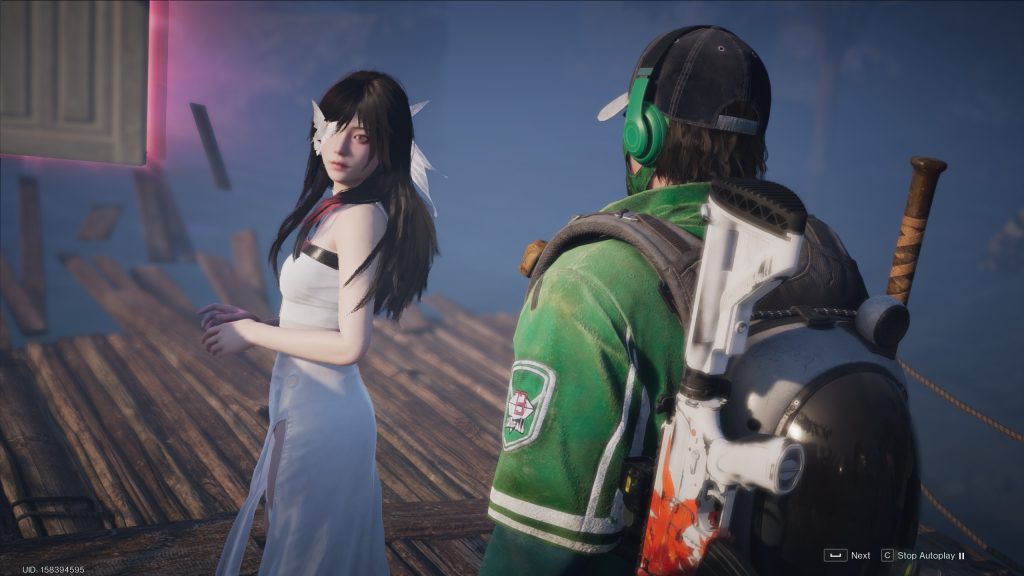
Moment to moment gameplay retains the same foundation of open world survival, anomaly hunting, and territory building, but the overhaul has altered the rhythm of progression. Combat remains functional and readable, with clear telegraphs and a familiar loop of ranged and melee engagements. Exploration still offers a mix of resource gathering, stronghold clearing, and environmental hazards. The issue is not the core loop itself. The issue is how the new progression structure interacts with it. Reverse engineering artifacts and relying on world drops interrupt the natural flow of exploration and create pacing gaps that were not present in the older Memetic system. The game feels playable and occasionally engaging, but the new progression layer introduces friction that undermines the sense of forward momentum.

Content density remains respectable. Strongholds, anomalies, world events, and seasonal activities provide a steady stream of tasks. The problem is not the quantity of content but the cohesion of the experience. The introduction of playful cosmetics, block themed events, and toy like items creates a tonal inconsistency that clashes with the original post apocalyptic horror identity.
The world feels less unified than before, and the thematic drift reduces the impact of its darker narrative elements. Depth exists, but it is unevenly distributed across systems that no longer share a consistent tone.
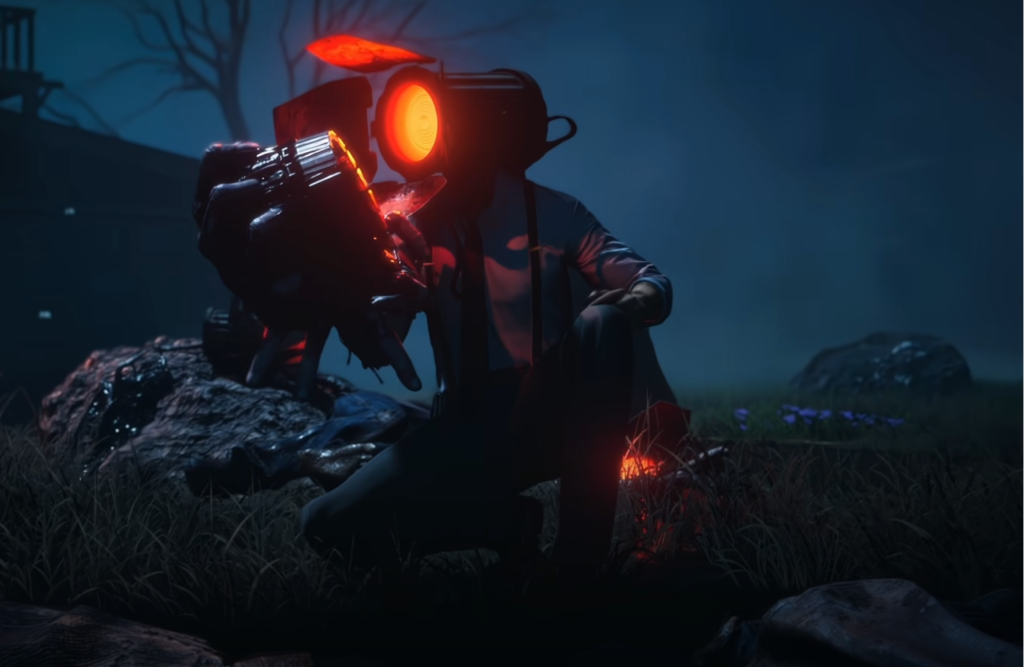
Technical performance is stable. The game runs smoothly across large zones, with predictable frame pacing and minimal stuttering. Server stability has improved since launch, and Patch 3.0.3 maintains this trend. Loading times remain acceptable, and crashes are rare. The technical foundation is solid, but it does not compensate for the structural issues introduced by the overhaul.
Monetization remains a point of contention. Cosmetic bundles continue to expand in frequency and visual intensity, contributing to the ongoing debate about the game’s shifting identity. While monetization does not directly interfere with progression, the aesthetic direction of paid items reinforces the sense that the game is drifting away from its original tone. The marketplace improvements, including purchase orders, enhance fairness within the trading economy, but they do not address concerns about thematic dilution.
The value proposition depends heavily on player expectations. New players may find the game approachable and flexible, especially with the ability to salvage infrastructure items directly from the world. Veterans may find the overhaul disruptive and grind heavy, with progression systems that feel less intuitive and more time consuming than before. Patch 3.0.3 stabilizes the experience but does not meaningfully improve it. The game offers a large amount of content, yet the structural and thematic inconsistencies reduce its overall value.
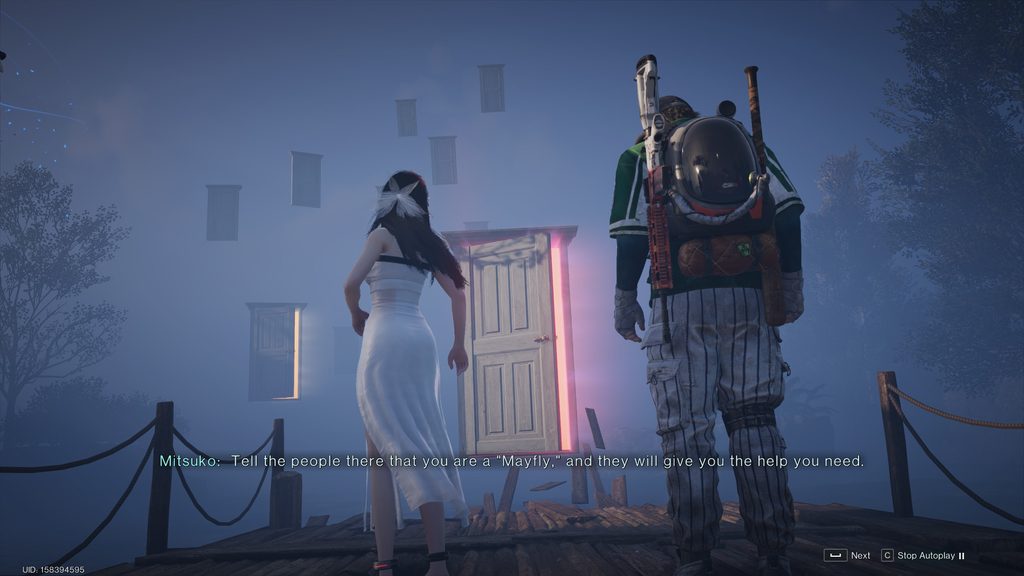
We originally reviewed Once Human last April. Due to the extensive systems changes introduced in Patch 3.0.3, we have reassessed the product to determine whether the experience has meaningfully improved. Our evaluation focuses on the structure of the systems, their long term depth, and how they function for players who invest significant time into progression.
This approach does not fully represent how a casual player may feel, especially on servers with different difficulty settings or communities that engage with the game in different ways. Our conclusions reflect the experience of players who explore these systems deeply and measure their durability over hundreds of hours.
Mobile First Design and Long Term Depth
Rating Thumbs: 👍👎 0 out of 5 (Mobile first is always a no go for PC players even when it is free.)
(This rating reflects the game on its own merits and systems within its design.)
I stand by this assessment because my experiences with mobile first games have been consistent across many titles. They often begin well, offering strong early progression and a sense of rapid advancement. However, once you invest a few hundred hours, the shallow depth of the underlying systems becomes impossible to ignore. The long term structure reveals itself as limited, repetitive, and built around loops that prioritize retention over meaningful complexity. I have lived this pattern across many games, and the conclusion remains the same. Mobile first design is a fundamental mismatch for PC players who expect deeper systems, stronger progression logic, and long term mechanical growth.
The one caveat I acknowledge is that Once Human operates across many servers, each with its own difficulty tuning and population profile. It is possible that some servers offer a more PC oriented experience, especially those with higher challenge settings or communities that prioritize long term progression. This means the mobile first limitations may not be equally visible everywhere. However, the presence of cross play complicates the issue. Console play differs from PC play in pacing, control expectations, and progression tolerance.
Mobile play differs even more. When a game is built to serve all three platforms at once, the design inevitably shifts toward the lowest common denominator. Even if certain servers feel more demanding, the underlying systems still reflect a mobile first foundation. My experience across many games has shown that this foundation becomes visible after a few hundred hours, regardless of server choice. The long term depth simply does not match what PC players expect. Though different players like different things.
Armed with this knowledge you can adjust your expectations and try it for yourself. The fact is if you want to just play the story these kinds of titles can be rather cozy. if your aim is to keep it low stress.
https://www.youtube.com/@Octaviusreviews
Once Human is classified as an online survival action shooter with MMO lite structure.
This category cleanly separates it from pure hardcore PC survival titles like DayZ or Rust. It places the game right alongside looter survival hybrids like The Division, Fallout 76, or Warframe.
Rating 2 out of 5 Thumbs: 👍 👍 (Genre Wide Casual)
+-----------------------------------------------------------------------+
| OVERALL SCORE: 2 / 5 THUMBS                                           |
| "Proceed with Caution"                              |
+-----------------------------------------------------------------------+
| CATEGORY          | SCORE   | SUMMARY                                 |
| Visuals & Engine  | 4 / 5   | Impressive UE5 assets, ruined by tone  |
| Mechanics & Depth | 2 / 5   | Flattened UI, shallow gacha loop        |
| Progression       | 2 / 5   | RNG reverse-engineering replaces gates |
| Platform Respect  | 1 / 5   | Mobile-first design, telemetry heavy    |
+-----------------------------------------------------------------------+
The headliner of this update cycle is the Tech System overhaul, which traded linear level gates for world scavenging, experiment RNG, and artifact reverse engineering. NetEase frames this as an exploration driven breakthrough, but it is a mobile developer sleight of hand.
Replacing predictable progression with artifact drops does not add systemic depth; it turns basic crafting into a gacha drop table. You remain subject to seasonal server wipes, only now you rely on world drop RNG to rebuild basic infrastructure that used to be guaranteed. It is artificial padding designed to keep active user metrics inflated.
Whatever eerie, atmospheric tension existed at launch has unspooled. Between the timed “Block Adventure” event which pits players against literal voxel style enemies and the addition of physics soccer balls, animal incubators, and plushie style Morphed Deviations, the world no longer possesses a coherent identity. It is no longer a post apocalyptic survival title; it is a microtransaction catalog wearing an Unreal Engine 5 skin.
Quality of life additions like snap point switching via Shift + Mouse Wheel and marketplace buy orders solve localized friction. However, the broader interface remains a cluttered nightmare of nested sub screens, battle pass pop ups, and aggressive notifications. Every UI adjustment screams cross platform harmonization a system flattened so it functions seamlessly on touchscreens and consoles, at the direct expense of PC precision.
For players seeking a zero cost, low stakes casual playground to build a homestead and shoot monsters with friends, it offers surface level value. But as an uncompromising, long term PC survival title, it fails to earn a recommendation. It remains a beautiful trap.
Depending on what side you fall on this becomes a mixed review.