



Newsletter Subscribe
Enter your email address below and subscribe to our newsletter

Rising Above the Noise
 Byocta
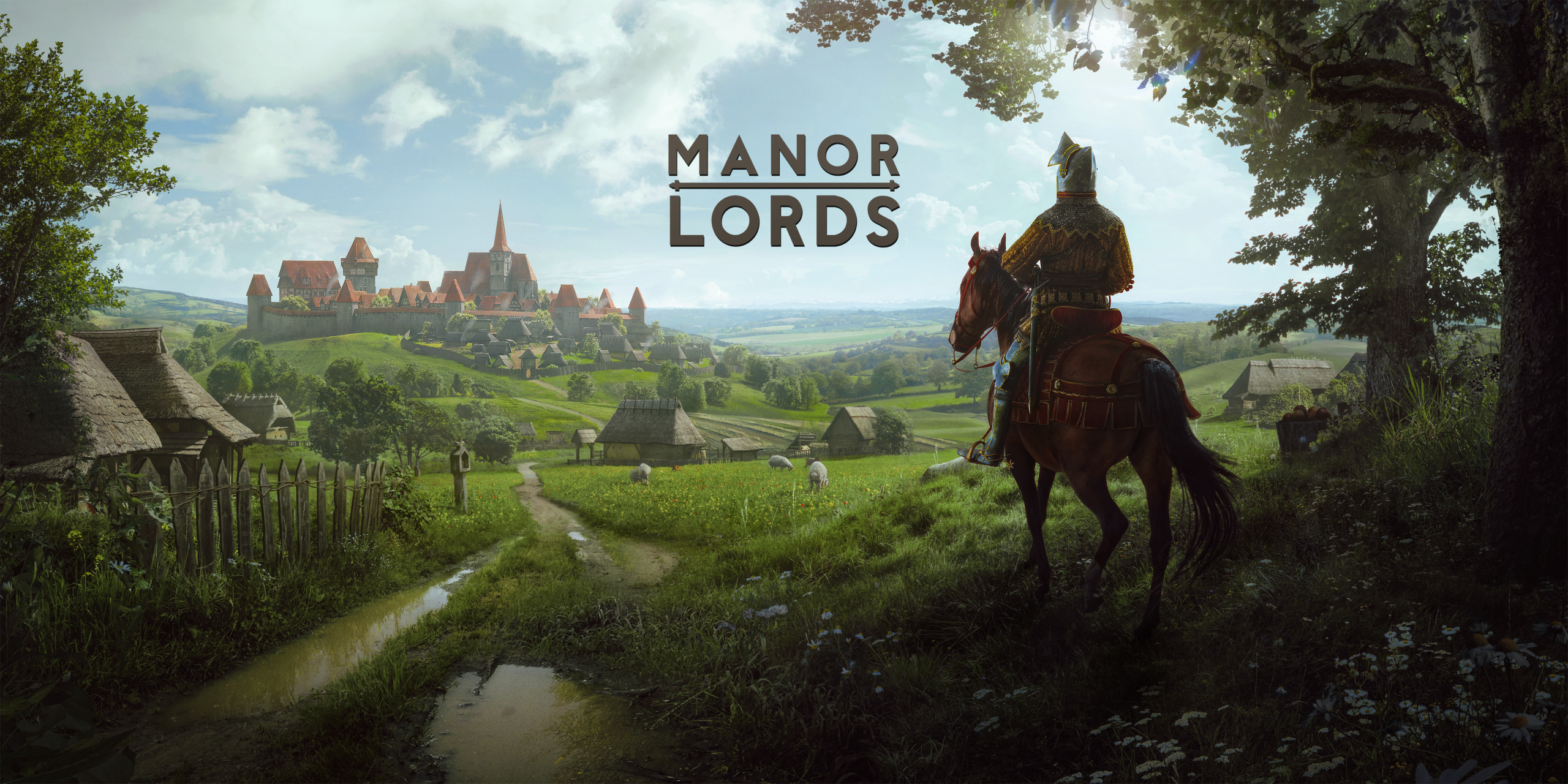
Manor Lords is a medieval city builder shaped by the vision of a single developer. Settlement management, tactical combat, and grounded economic simulation come together without monetization or modern design shortcuts. Pacing reflects the era it portrays. Progress feels deliberate, and every decision carries weight because your population is both your workforce and your army. The result is a strategy experience that values authenticity over spectacle and rewards players who enjoy slow growth, careful planning, and the quiet tension of managing a fragile medieval fiefdom.
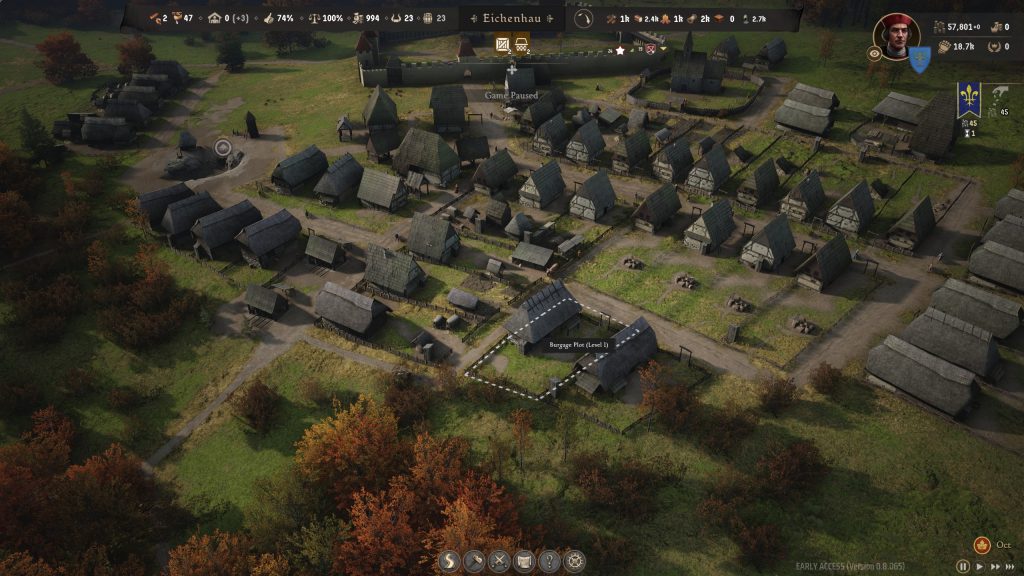
Manor Lords delivers a medieval strategy experience that feels alive the moment you start building. City planning, tactical battles, and grounded economic systems connect in a way that pulls you in faster than you expect. Seasons shift, weather rolls in, and your settlement grows or collapses based on the choices you make. Monetization is absent, and the game is built only for PC, which keeps the focus on depth rather than distractions. The rhythm of medieval life comes through with surprising clarity. Taxing your villagers, supplying the church, and managing food for influence feel meaningful instead of symbolic.
Scale hits harder than most players anticipate. Armies come directly from your population, so every soldier is a villager you pulled from real work. Mercenaries can help if you have the coin, yet they never replace the backbone of your forces. Being outnumbered is common, and the game does not soften that reality. When the enemy shows up with twice your numbers, you feel it in your stomach because every loss is just meat for the corps pit.
Building a castle in your provinces changes everything because it anchors your defenses and gives your militia a place to rally. The map is enormous compared to the number of people living in it. Pathfinding issues appear at times, yet many problems that look like bugs turn out to be the result of poor settlement design. Layout matters more than players expect, and the game rewards those who learn its logic.
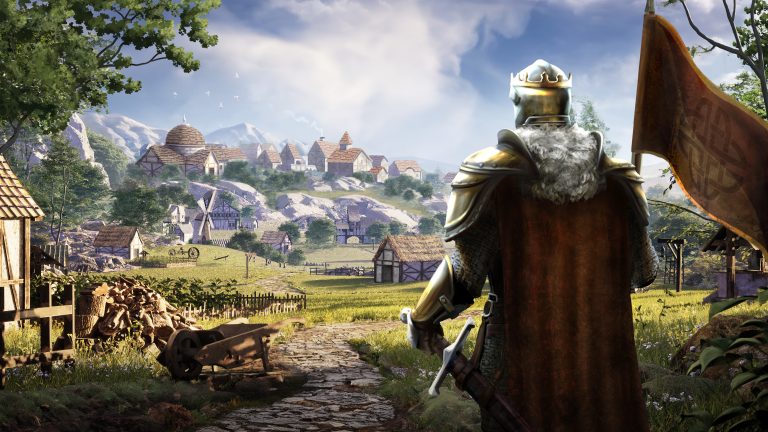
One feature stands out even in its unfinished state. The first person lord’s view lets you walk through your own fiefdom and see the world from ground level. The game stays calm until it suddenly is not. Powerful lords outside the map can pressure you, and bandits or raiders supported by unseen threats can strike without warning.
Difficulty modes range from hardcore to maximum chill, and the pacing stays true to a medieval world. Understanding production chains is the key to growth, especially as royal taxes rise over time. One moment you are expanding your village, and the next you are scrambling to defend it as fires spread and raiders tear through your streets.

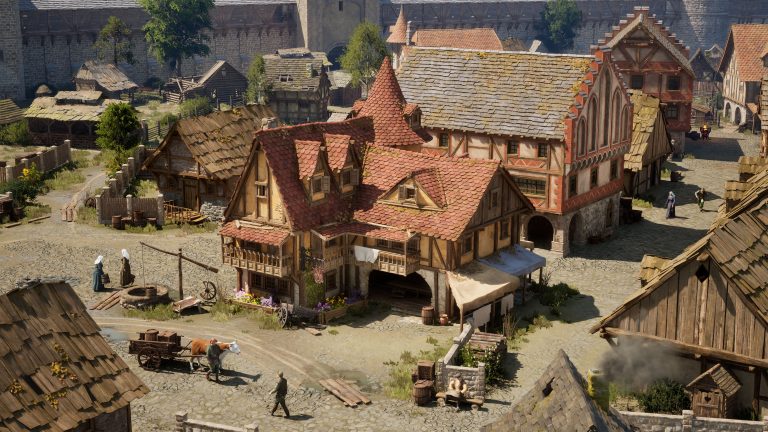
Manor Lords offers a focused set of systems that reflect the scope of a one man project. The city building layer is the strongest part of the experience. Villagers follow believable routines, production chains feel grounded, and settlement growth depends on how well you balance food, materials, and seasonal demands. Expansion is slow by design because medieval life was slow. Progress feels earned rather than automated, and every new structure changes the rhythm of your village.
Content is still evolving. Some mechanics are fully realized while others remain in early stages. Trade routes exist but lack the complexity found in larger strategy titles. Military development is functional yet limited, and the tactical layer shows clear potential for future depth. Social systems are present but not fully expanded. The game communicates its early access state without hiding behind it. What is here works, and what is missing is obvious rather than disguised.
Depth comes from interaction rather than quantity. Production chains link together in ways that reward careful planning. Settlement layout matters because it affects efficiency, travel time, and villager behavior. Resource shortages create natural tension, and the economy reacts to your decisions instead of following a fixed script. The result is a city builder that values authenticity over spectacle and encourages players to think like a medieval lord rather than a modern strategist.
Performance reflects the realities of a one man project. Stability is generally solid, and the game runs well on mid range hardware, yet occasional stutters appear during large battles or rapid camera movement. Pathfinding remains the most visible issue. Villagers sometimes take inefficient routes, and military units can bunch up when navigating tight terrain. Many problems that look like bugs turn out to be the result of poor settlement design rather than technical failure. Layout matters more than players expect, and the simulation reacts directly to the choices you make.
Visual presentation is strong for an indie title. Lighting shifts with the seasons, weather effects feel natural, and the world carries a grounded sense of place. Animation quality varies, yet the overall atmosphere remains consistent. The first person lord’s view is still in development, and its current state shows both promise and rough edges. Performance will continue to improve as updates arrive, but the foundation is already stable enough for long sessions without interruption.
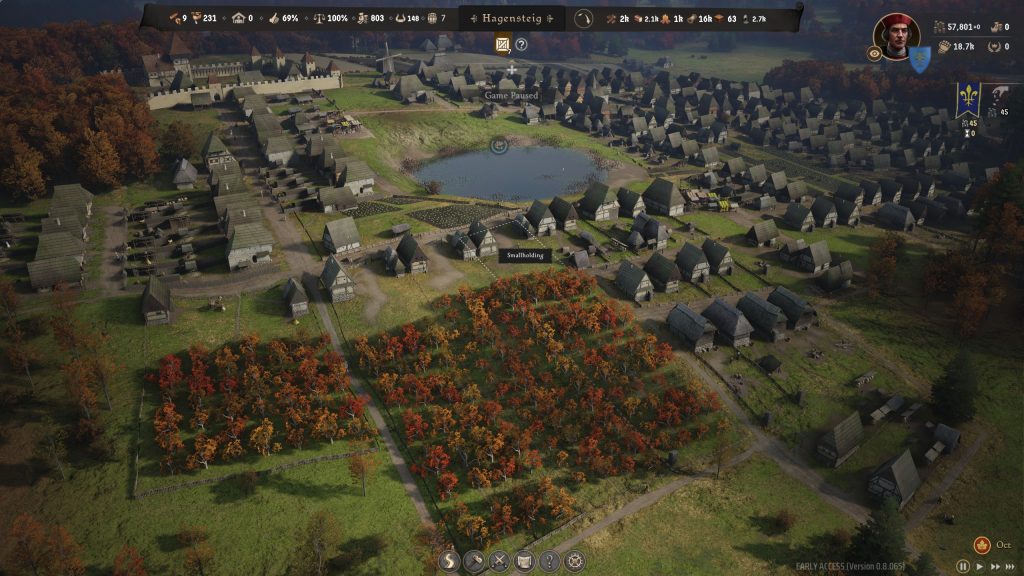
Manor Lords succeeds because it commits to a clear identity. The game does not chase trends or attempt to mimic larger studios. It focuses on authenticity, atmosphere, and grounded medieval logic. Settlement growth feels organic, and the world carries a sense of place that few strategy games achieve. The absence of monetization reinforces the idea that this is a project built for players rather than a product built for metrics.
Appeal comes from the balance between calm and crisis. Most of your time is spent shaping a village, watching routines unfold, and managing production chains. Moments of danger arrive without warning, and the contrast between peace and chaos creates natural tension. The game rewards patience, planning, and a willingness to learn from mistakes. Players who enjoy slow, thoughtful strategy will find a unique experience that stands apart from mainstream titles.
Value depends on expectations. Manor Lords is not a complete city builder, not a full RTS, and not a deep RPG. It is a hybrid shaped by one person’s vision, and the price reflects that scope. What you receive is a strong foundation with meaningful systems, authentic atmosphere, and steady development. Players who appreciate early access projects will find excellent value. Those expecting a fully finished large scale strategy game may find the content limited. Price is currently 26 euros awesome value!
The absence of monetization strengthens the value proposition. You pay once and receive updates as the game grows. No battle passes, no cosmetic stores, and no pressure to spend beyond the initial purchase. In an industry dominated by recurring revenue models, this approach feels refreshing.
Manor Lords stands as a strong example of what a dedicated indie project can achieve. The game is still in early access and currently in Beta 2, yet the foundation already delivers a grounded medieval strategy experience shaped by a single developer’s vision. Systems feel authentic, pacing rewards patience, and the world carries a sense of place that larger studios rarely match.
The project shows why players continue to support indie titles. Creativity stays intact, monetization stays absent, and the design reflects passion rather than committee decisions. Manor Lords remains unfinished, but the quality of what is here makes the future worth watching4 thumbs and 10 toes worth
👍👍👍 3 thumbs and 10 toes worth