



Newsletter Subscribe
Enter your email address below and subscribe to our newsletter

Rising Above the Noise
 Byocta
The contemporary fighting game genre remains anchored to abstraction. Health bars, animation priority rings, and frame data constructs form the invisible scaffolding that governs almost every modern combat system. Even titles that advertise realism ultimately rely on arithmetic damage pools and scripted reactions.
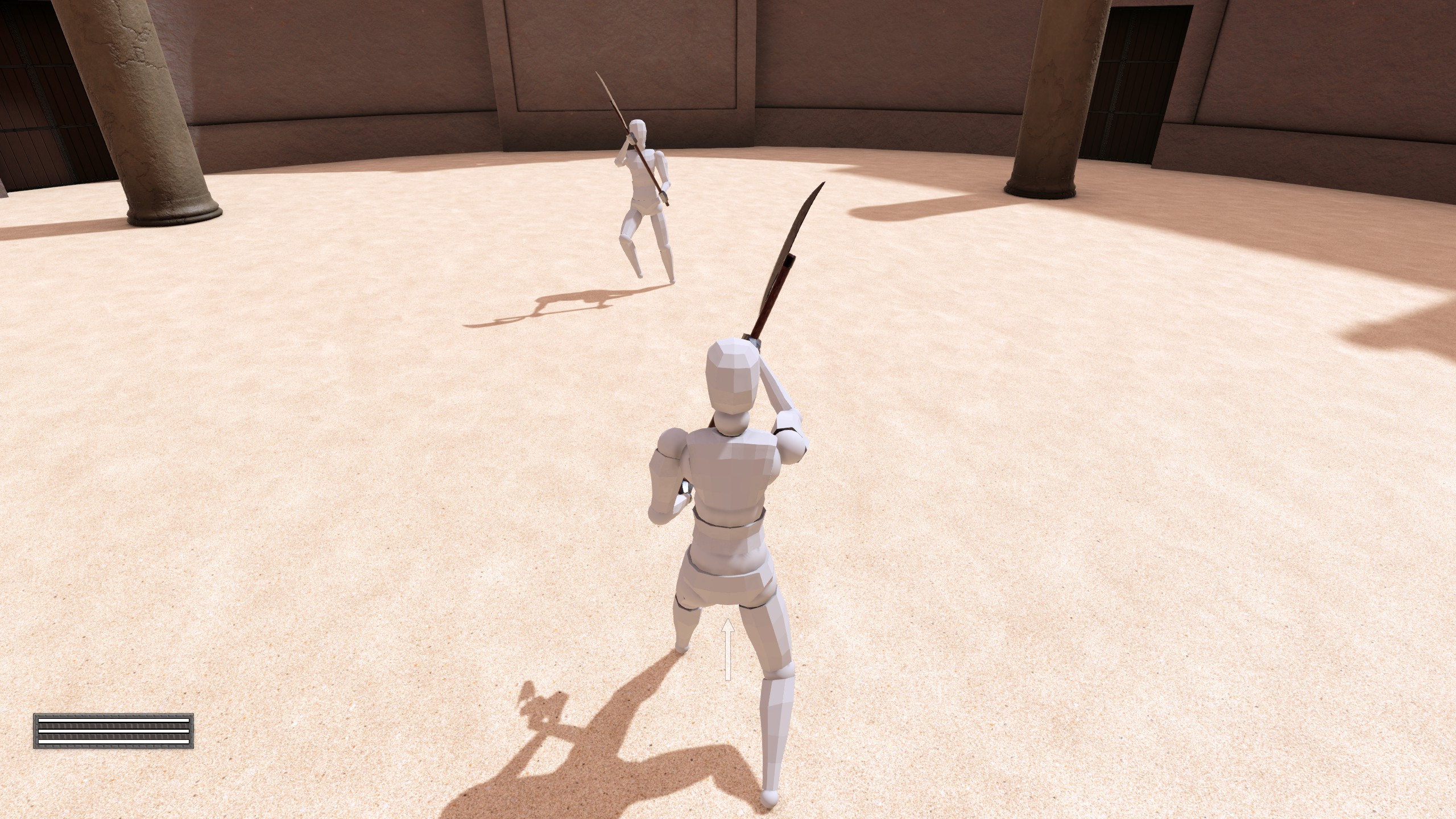
Within this ecosystem, Gladio Mori arrives as a deliberate rejection of convention. It is not a reinterpretation of the genre but a dismantling of its foundational assumptions. By replacing numerical damage with anatomical consequence, the game positions itself as a physics driven arena where trauma is not represented but simulated. This is not a theatrical gladiator experience. It is an architectural study of kinetic force interacting with human anatomy.
Gladio Mori’s mechanical identity is defined by its kinetic calculation loop. Every strike is resolved through real time physics rather than abstract damage values. Tissue resistance is computed through weapon mass, edge alignment, and velocity. Bone integrity determines whether a structure fractures, splinters, or deflects force. Arterial pressure governs the rate at which blood loss translates into systemic fatigue and eventual circulatory collapse.
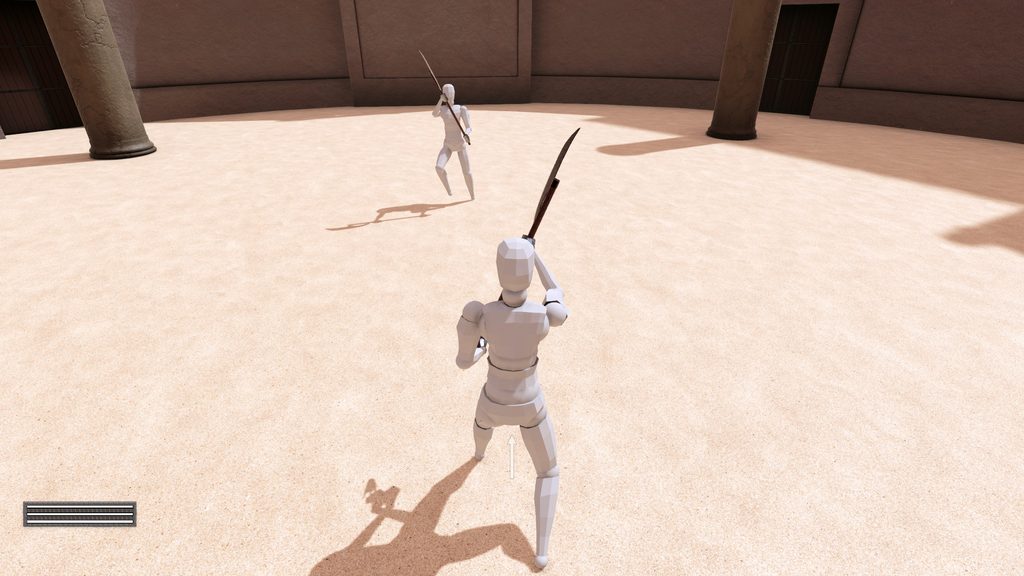
The game does not track health. It tracks the consequences of trauma. A single thrust placed correctly can puncture an organ or sever a major artery, ending a fight instantly regardless of how intact the rest of the body appears. This shifts the win condition from meter depletion to catastrophic structural failure.

This design philosophy places Gladio Mori in direct contrast with its genre peers. Traditional fighting games, even those that emphasize weight and realism, operate within a framework of controlled abstraction. Titles such as For Honor, Mordhau, and Chivalry simulate weapon handling and armor interaction but ultimately resolve combat through numerical subtraction. They maintain the illusion of physical consequence while relying on hidden arithmetic to determine outcomes. Gladio Mori discards this safety net. It does not allow a fighter to absorb ten heavy blows because the system says they can. It allows them to survive only what their anatomy can withstand.
Where Gladio Mori aligns with its peers is in its commitment to deliberate pacing and tactical spacing. Like Mordhau and Chivalry, positioning, leverage, and weapon geometry matter. Like For Honor, timing and angle determine advantage. But the similarity ends at the surface. The absence of health bars transforms every exchange into a high fidelity simulation where emergent outcomes replace scripted reactions. A misaligned parry does not reduce a meter. It may break a forearm.
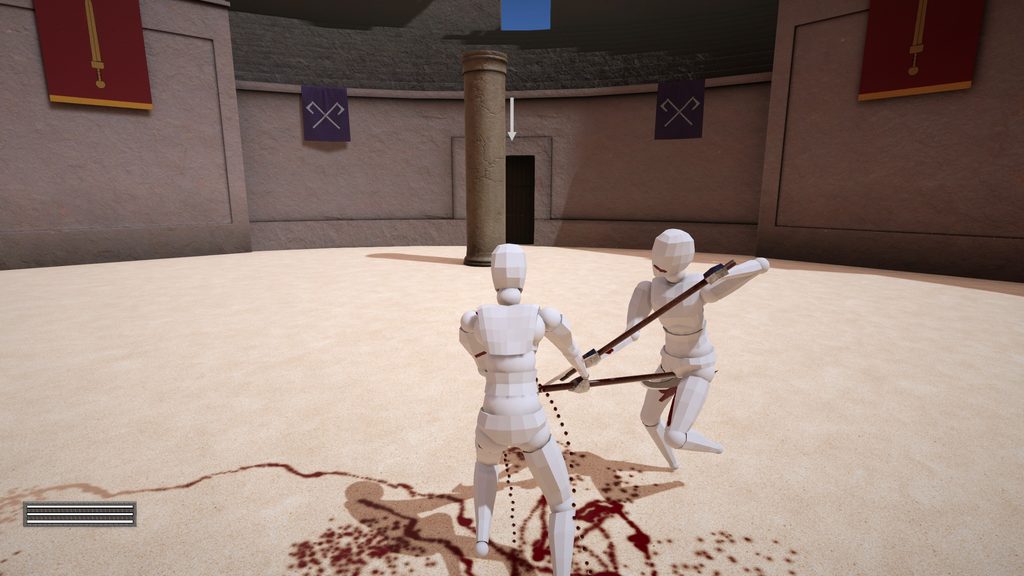
A poorly judged thrust does not deal reduced damage. It may lodge a blade in bone and leave the attacker exposed. The game redefines the genre by removing the abstraction layer that has historically separated player intent from physical consequence.
This redefinition also shapes the target audience. Gladio Mori is not designed for the casual fighting game demographic. It is built for combat simulation purists who demand mechanical plausibility in weapon handling, armor deflection, and defensive positioning. It is equally suited for physics sandbox enthusiasts who value emergent behavior and ragdoll fidelity.

By exposing the raw mathematics of trauma, the game highlights the artificiality of mainstream design paradigms. It does not present combat as spectacle. It presents combat as anatomy under stress. This level of fidelity requires precise key binding, especially for players using keyboard and mouse, because the system expects deliberate input rather than rhythmic combo execution.
Rating 3 out of 5 Thumbs: 👍 👍👍(For being a little too real..)
Gladio Mori stands apart from its genre peers by refusing to participate in the abstractions that define contemporary fighting games. It shares their interest in spacing, leverage, and timing, but it rejects their reliance on numerical damage pools and scripted reactions. In doing so, it redefines the expectations of gladiator combat by grounding every outcome in anatomical physics.
The result is a title that is uncompromising in its pursuit of mechanical authenticity. It is not accessible, and it does not attempt to be. It is a specialized arena for players who value simulation over spectacle and consequence over choreography. Within its chosen niche, Gladio Mori is not merely different. It is a complete rearchitecture of the genre’s underlying assumptions, presenting combat not as a sequence of moves but as a study of kinetic force acting upon the human body.


[…] With Me https://www.octaviusreviews.com/indie-horror/burn-with-me/ Gladio Mori […]
[…] Gladio Mori Burn With Me […]