


Newsletter Subscribe
Enter your email address below and subscribe to our newsletter

Rising Above the Noise

 Byocta
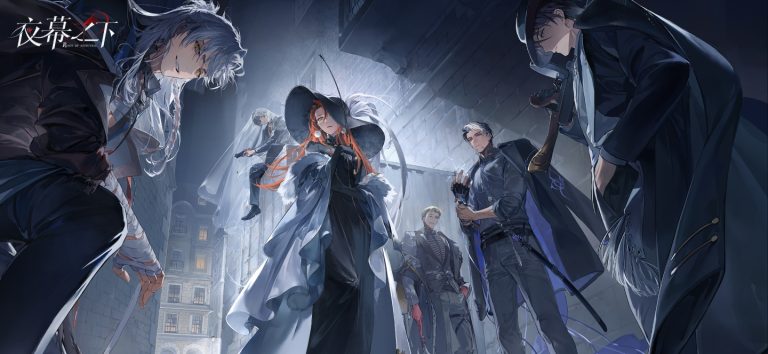
Urban Fantasy Action RPG with Open World Sandbox Depth Neverness to Everness positions itself as one of the most ambitious urban fantasy action RPGs in development. Set in Hethereau, a modern metropolis where daily civilian life intersects with supernatural anomalies, the game follows an unlicensed Anomaly Hunter who operates out of the Eibon Antique Shop. Players team up with companions who wield specialized Esper abilities to investigate urban mysteries, contain supernatural manifestations, and explore the city’s shifting supernatural ecology.
Combat is real time and squad based, built around a four character swap system that emphasizes dodging, parrying, and elemental Esper synergies. The open world structure blends action RPG progression with lifestyle simulation. Players can purchase and customize apartments, buy and modify sports cars, and traverse the city through both personal vehicles and public transit. Developed by Hotta Studio and published by Perfect World Games, Neverness to Everness combines high production values with a hybrid design philosophy that merges metropolitan sandbox freedom with supernatural action.
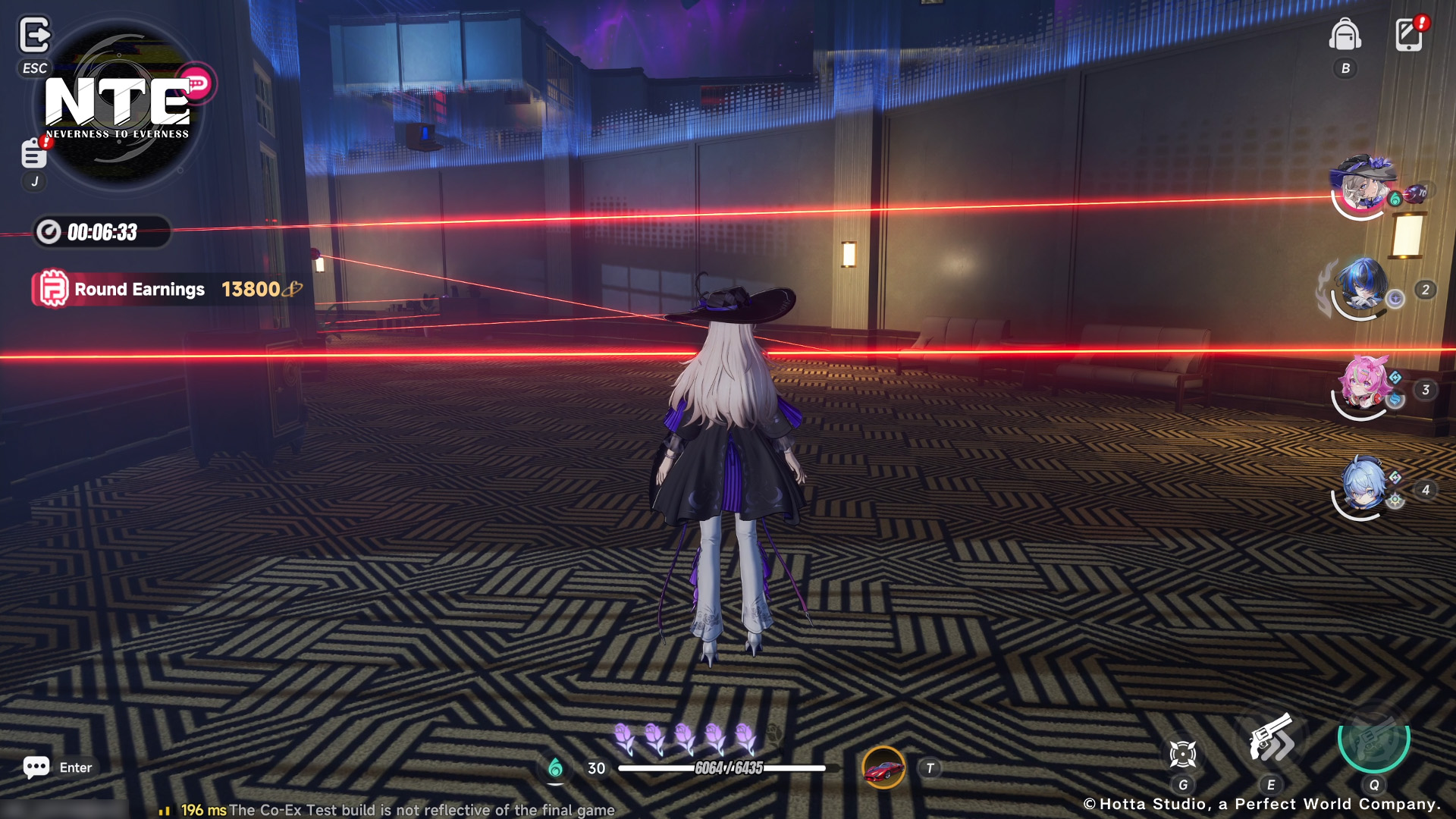
Neverness to Everness stands out because it does not treat urban fantasy as a backdrop. It treats the city itself as a mechanical system. Most games in this genre focus on supernatural combat layered over a modern setting. NTE goes further by merging metropolitan sandbox freedom with squad‑based Esper combat and lifestyle simulation, creating a hybrid structure that is rare in this space.
The first major distinction is its open world design. Hethereau is not a static hub with mission nodes. It is a fully navigable metropolis with apartments to purchase, cars to customize, and transit systems to use. This gives the game a sense of lived‑in modernity that most supernatural action RPGs do not attempt. The second distinction is the four character squad swap system. Real time action RPGs often rely on single character builds or limited party control. NTE uses a full swap system with dodges, parries, and elemental Esper synergies that create a rhythm closer to character action games than traditional RPGs.
The third distinction is its investigative premise. You are not a government agent or a licensed supernatural operative. You are an unlicensed anomaly hunter working out of an antique shop. This framing allows the narrative to explore urban mysteries from the margins rather than from institutional authority, giving the story a grounded, street level perspective. The companions reinforce this angle by offering specialized Esper abilities tied to their personal histories within the city.
The final distinction is the lifestyle simulation layer. Few urban fantasy action RPGs allow players to decorate apartments, buy sports cars, or engage with city life as a mechanical system. NTE uses these elements to create contrast between civilian routine and supernatural escalation, giving the game a tonal duality that sets it apart from its peers.
Taken together, these choices position Neverness to Everness as a hybrid that blends metropolitan sandbox exploration, supernatural action, and lifestyle simulation into a single cohesive structure. It is not simply an urban fantasy RPG. It is a city driven supernatural sandbox with a squad based combat core.
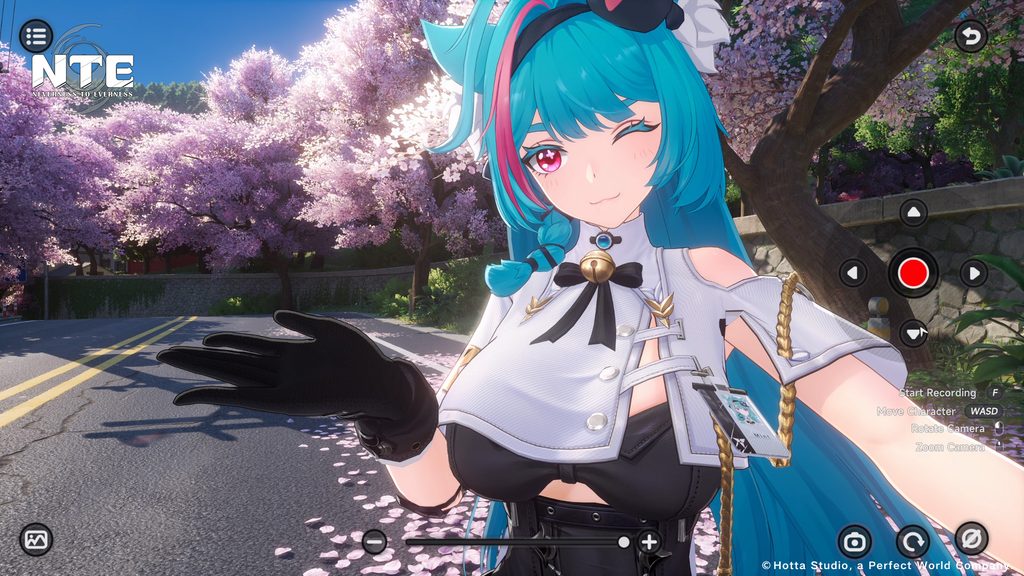
Neverness to Everness distinguishes itself by treating Hethereau as a living system rather than a backdrop. The game’s activity structure blends supernatural combat, vehicle culture, real estate progression, and social simulation into a single open world loop. This hybridization is rare in urban fantasy action RPGs, which typically focus on combat alone.
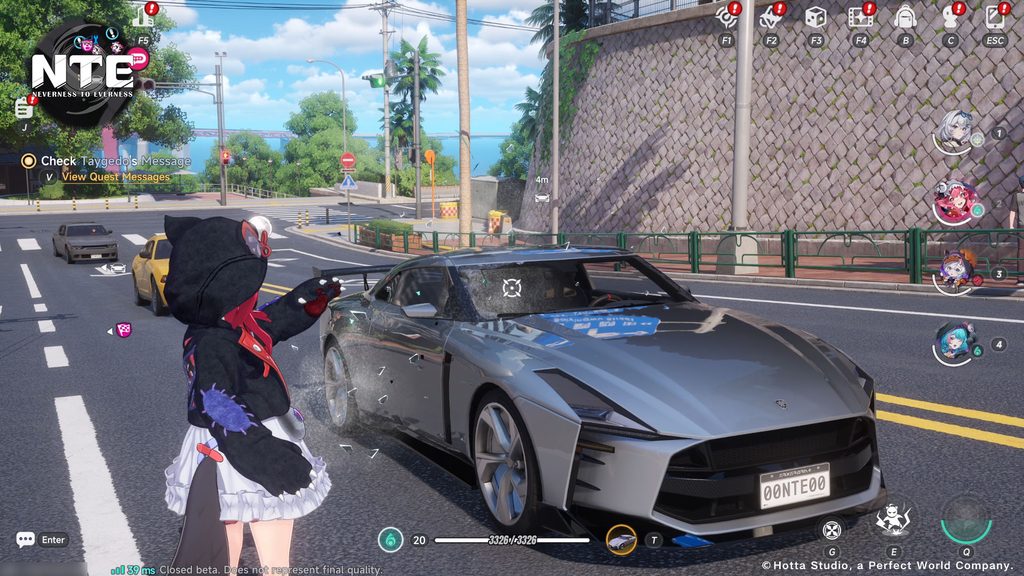
Supernatural combat is built around a four character squad swap system that emphasizes timing, elemental Esper reactions, and mobility. Anomaly commissions expand this further by introducing puzzle instances, parkour trials, horror sequences, and timeline shifting spaces, giving the supernatural layer variety beyond standard boss arenas. High risk encounters such as Justice Executioners and multi party dungeon routes reinforce the idea that the city’s anomalies escalate in complexity as the player’s reputation grows.

Vehicle systems add a second identity to the game. Players can drive sports cars, luxury vehicles, dirt bikes, or scooters across the metropolis, tune performance parts, and customize aesthetics through body kits and decals. Street racing and delivery jobs create an economic loop that ties traversal to progression. This level of vehicle integration is uncommon in supernatural action RPGs and gives Hethereau a sense of modern urban culture.
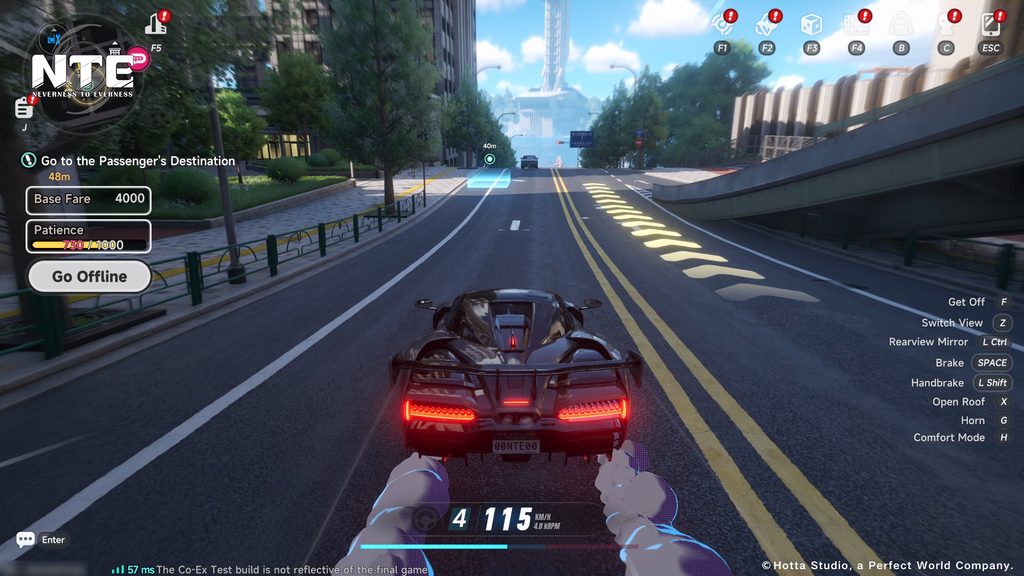
Real estate and business management introduce a lifestyle simulation layer. Apartments can be purchased, furnished, and decorated, with anomaly furniture providing account wide buffs and passive resource generation. Managing a cafe through menus, inventory, and barista mini games adds a small scale tycoon element that reinforces the civilian side of the protagonist’s life.
Exploration and social systems complete the loop. Public transit, hidden alleys, safes, phone booths, and collectible items make the city feel dense and interactive. Minigames such as fishing, arcade challenges, photography, and illegal trade crackdowns provide optional progression paths. Companion hangouts, gifts, dates, and bond levels unlock side stories and home items, tying social relationships directly to mechanical rewards.
Taken together, these activities create a hybrid structure where supernatural action, urban lifestyle, and open world exploration coexist. Neverness to Everness stands out because it treats the city as a full ecosystem, not just a stage for combat.
https://nte.perfectworld.com/en
F2P: https://store.steampowered.com/app/4508340/NTE_Neverness_to_Everness/