


Newsletter Subscribe
Enter your email address below and subscribe to our newsletter

Rising Above the Noise
 Byocta
An analytical exploration into how a small European art horror project bypassed the traditional digital gatekeepers, turning an institutional ban into a highly successful commercial blueprint.
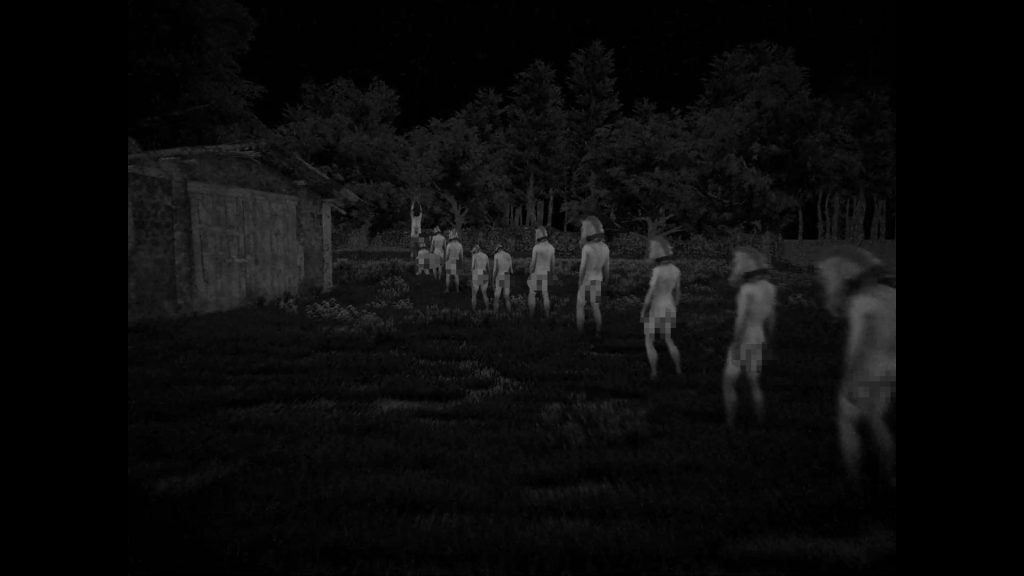
The release of Horses ignited a rare and bewildering censorship dispute that placed an experimental horror title at the center of a public argument about platform authority and artistic legitimacy. What should have been a routine distribution process instead became a flashpoint when Steam rejected the game on the grounds of an alleged depiction of sexual conduct involving a minor, a claim the developers described as unfounded and opaque. Epic followed the same course. The controversy transformed a small European art horror project into a contested cultural object and forced a wider conversation about the power of digital storefronts to determine which works may enter the public sphere.
The paradox is that Horses achieved commercial viability precisely because it was suppressed. Removal from Steam and Epic would normally extinguish any hope of financial recovery for a studio working with a modest budget and dependent on mainstream visibility. Instead, the ban created a sense of forbidden curiosity that elevated the game far beyond its natural commercial ceiling. GOG publicly framed its acceptance of the title as a commitment to creative autonomy, which further intensified the narrative and positioned the game as a symbolic test of artistic freedom in a marketplace that increasingly favors caution over risk. This shift in framing produced a surge of attention that propelled the title to the top of GOG and itch.io charts, an outcome that would have been improbable under ordinary conditions.
The commercial trajectory of Horses exposes a structural contradiction within digital distribution. Platforms present themselves as neutral conduits while exercising discretionary authority that can determine the economic fate of independent creators. Valve’s justification for the ban, which critics across Eurogamer, Aftermath, and The Guardian described as inconsistent with the actual content of the game, highlighted the interpretive volatility that arises when moderation lacks transparent standards. Horses contains disturbing imagery, but nothing that clearly exceeds the boundaries of adult themed interactive media. This gap between the stated rationale and the observable content intensified public scrutiny and transformed the ban into a referendum on procedural fairness and the unchecked influence of dominant storefronts.
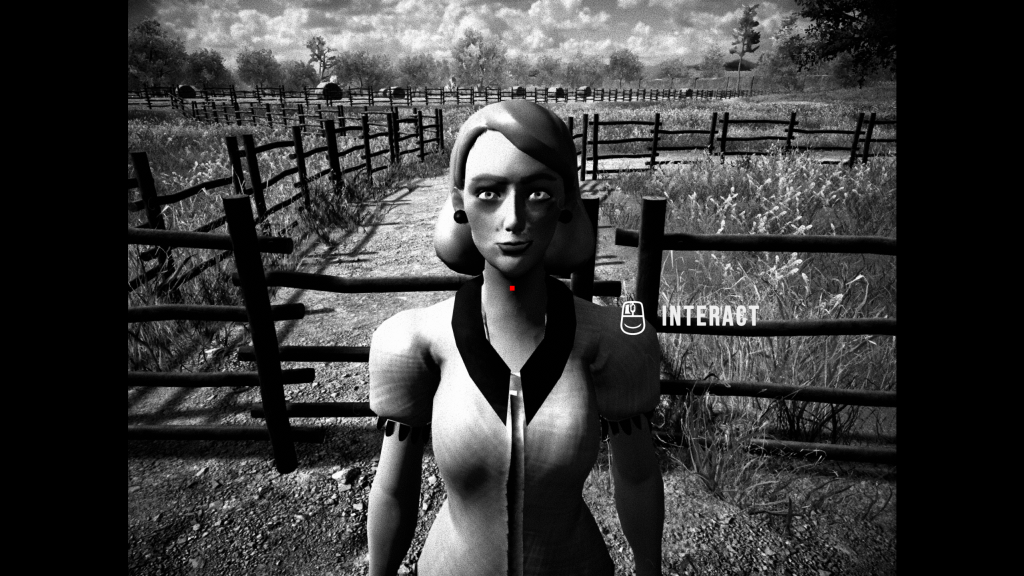
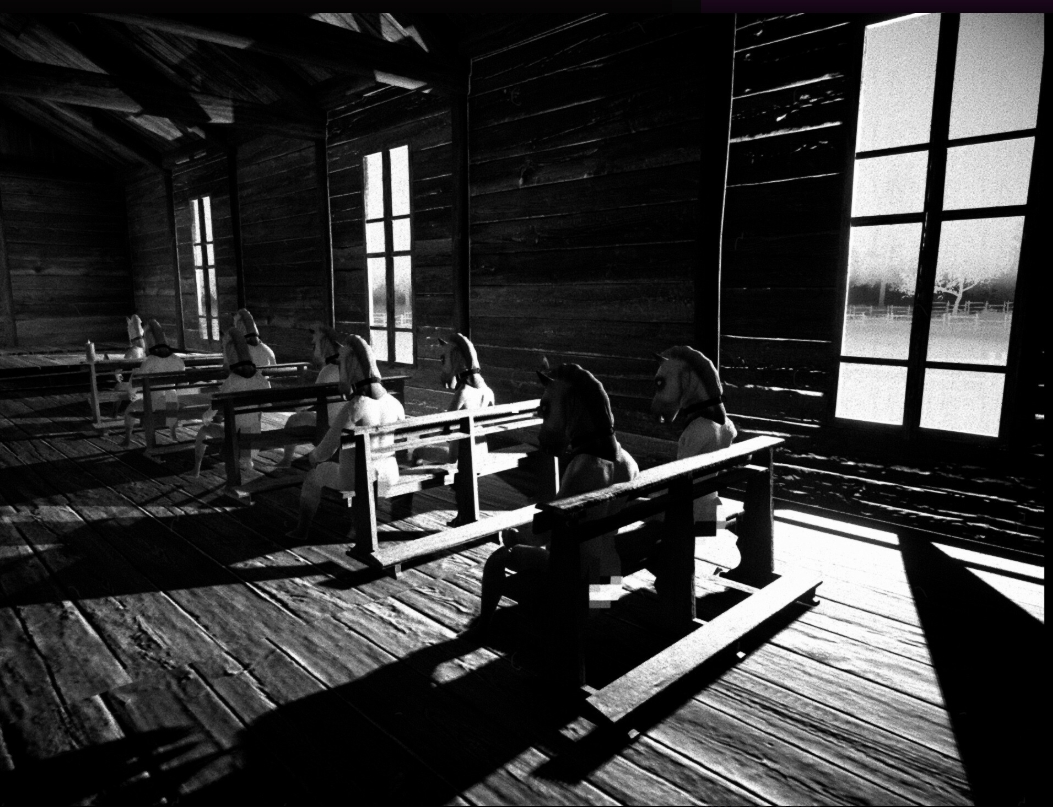
The financial outcome is equally revealing. Horses surpassed thirty thousand sales and recouped its development loans despite losing access to the largest distribution platform in the world. The game’s aesthetic is monochrome, surreal, and intentionally abrasive. Its critical reception is mixed. Under normal circumstances it would have remained a niche curiosity. Instead, the ban created a feedback loop in which journalistic coverage, social media discourse, and consumer curiosity converged to elevate the title into a cultural event. The question of whether Horses would have achieved comparable success without the controversy is not a genuine question. The ban did not merely influence the game’s reception. It created the conditions for the reception to exist at all.
The broader implication is that censorship, when applied inconsistently or without evidentiary clarity, can inadvertently sanctify the very works it seeks to marginalize. Horses demonstrates that prohibition can generate a form of cultural scarcity that transforms a small experimental project into a symbol of contested expression. The game’s financial recovery, though not sufficient to guarantee the long term stability of the studio, underscores the paradoxical economics of forbidden art in a digital ecosystem governed by opaque corporate discretion. Horses will likely be remembered less for its narrative content than for the procedural controversy that propelled it into public consciousness and revealed the fragile balance between platform authority and creative freedom.
The Horses Ban and Its Commercial Success
Given the transgressive nature of the horror industry, whether independent or mainstream, a vital question emerges: Should we be fundamentally repelled by the depiction of human subjugation in a global climate where human trafficking remains a persistent reality?
or
In the post Epstein era, isn’t the core dilemma in whether society should refuse to tolerate such thematic content, regardless of its artistic merit?