


Newsletter Subscribe
Enter your email address below and subscribe to our newsletter

Rising Above the Noise
 ByPrimemus
The contemporary interactive landscape has witnessed a remarkable transformation with the rise of specialized independent publishers. Foremost among these provocative new entities is the enigmatic developer CherryPink Games, whose catalog operates under the captivating mantle of Lunar Chrysalis. This comprehensive investigation offers an essential deep dive into the fascinating, controversial design choices defining their latest creative trajectory.
By examining their finished projects alongside their newly unveiled software showcases, this analysis uncovers the gripping reality of a highly polarizing industry trend. We dissect the masterful deployment of hyper sexualized female protagonists placed within hollow, underfunded environments, exposing how calculated visual aesthetics achieve unprecedented audience retention. Discover how this shocking juxtaposition of vulnerability and absolute tranquility serves as a powerful market driver, establishing a definitive benchmark for modern niche software evaluation.
The contemporary independent gaming landscape frequently yields fascinating and highly anomalous artifacts. This reality becomes distinct when observing the output of the developer CherryPink Games, operating through the thematic framework of Lunar Chrysalis. Their current creative trajectory, crystallizing in titles such as Evil Slayer and their latest atmospheric software previews, offers a profound case study in extreme creative asymmetry. This text operates less as an evaluation of a finished ludic product and more as an interrogation of a specific, highly provocative design philosophy currently proliferating through the margins of the medium.
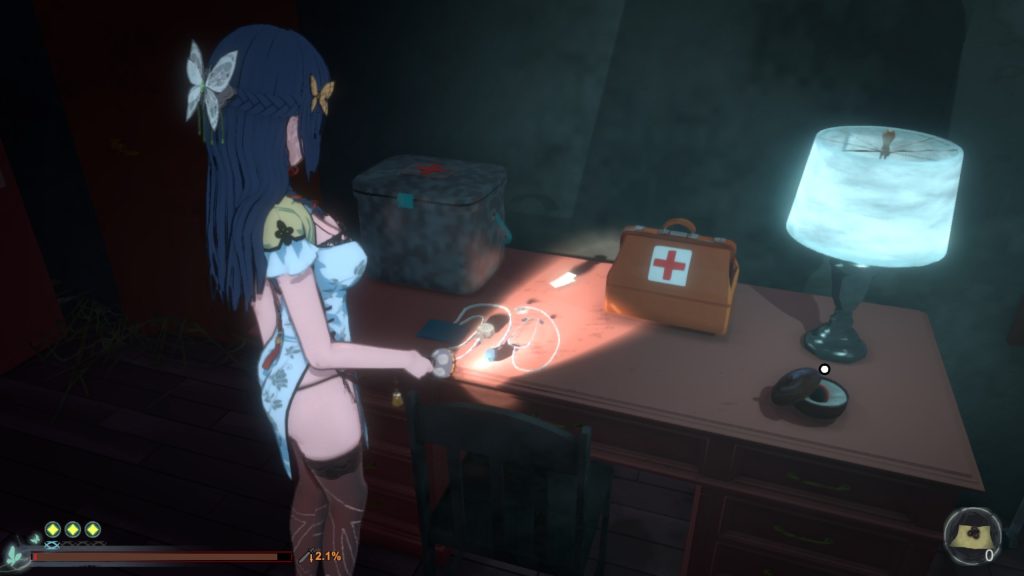
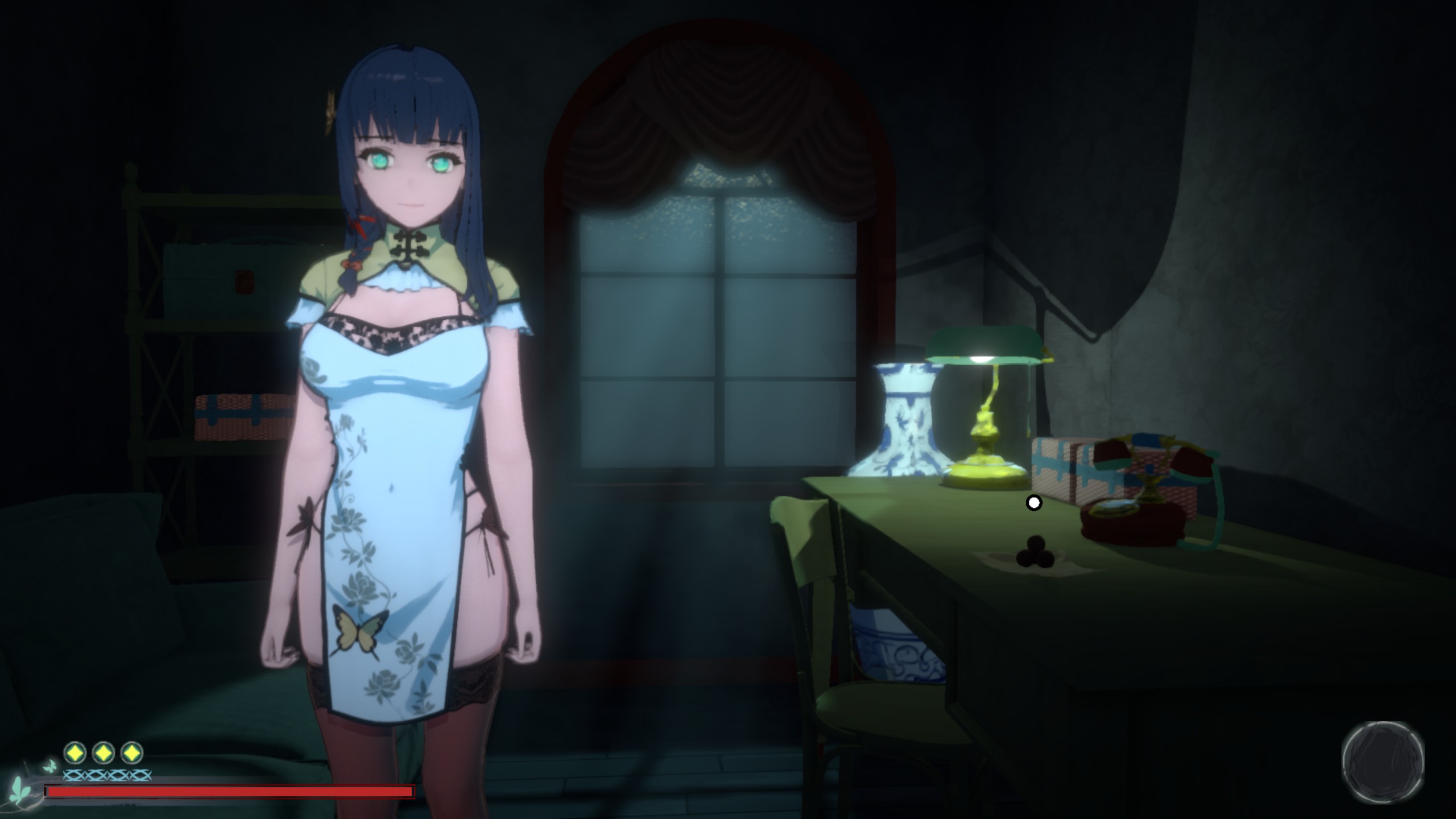
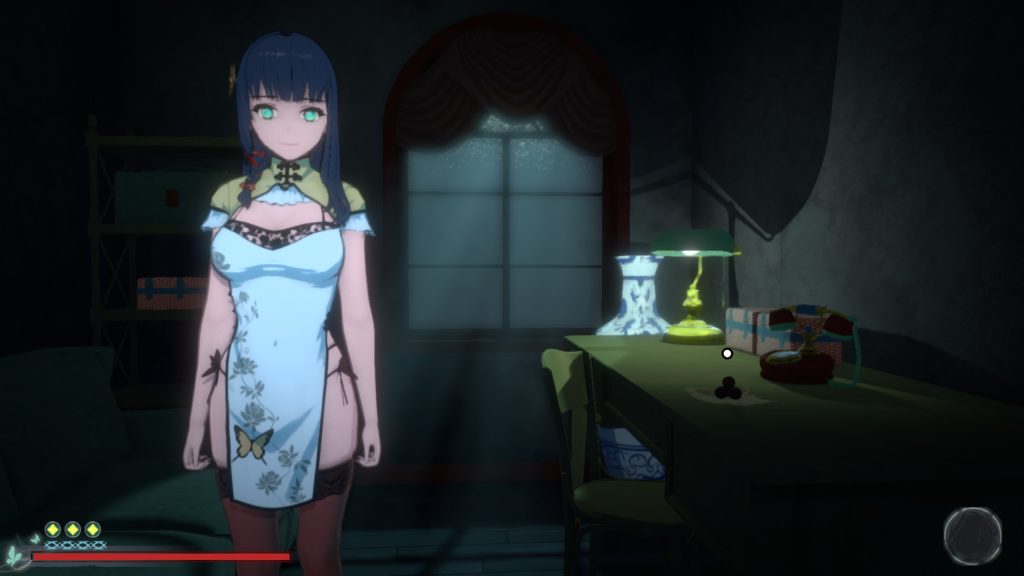
The most immediate characteristic of this software catalog is the stark disparity in developer labor. There is a meticulous, almost reverent allocation of resources toward the anatomical rendering of the solitary female protagonist. Her design betrays the explicit aesthetic preoccupation of the creators, showcasing an exquisite fidelity that stands in sharp contrast to the rest of the experience. The protagonist is rendered with lavish attention, encapsulated in provocative attire that accentuates her form despite her terrifying predicament. Conversely, outside the margins of the main character model, the digital environment dissolves into absolute vagueness. The surrounding architecture feels fundamentally underfunded, unpolished, and structurally hollow. This structural imbalance suggests an uncomfortable reality. It is profoundly difficult to imagine these projects evolving beyond their central prurient assets. The detailed female persona drives the consumer interest, while the actual game design remains an afterthought.
From a narrative perspective, the software introduces a bizarre psychological detachment that utterly subverts the conventions of survival horror. The premise relies on a subversion of the traditional damsel archetype. The protagonist possesses an inherent autonomy, navigating her plight without requiring external masculine salvation. However, this laudable autonomy is pushed into the realm of the absurd. The protagonist awakens within a hostile, unfamiliar chamber clad in bizarre vestments. Upon discovering she is trapped in a ghost infested kill house, her emotional response is not terror, but an unsettling, supernatural tranquility.
There is no psychological realism in a young woman navigating an active paranormal hunting ground with the placid stoicism of a seasoned academic. Armed only with a magical device reminiscent of a flashlight, she combats phantoms without a single tremor of panic. This emotional vacuum completely castrates the horror elements, transforming what should be a harrowing escape into a sterile mechanical exercise.
Perhaps the most disquieting element of this aesthetic framework is the environmental subtext. The creepy manor architecture evokes the visual signifiers of a clandestine stronghold, heavily decorated in a style that directly mirrors themes of female abduction and systemic exploitation. The developer attempts to juxtapose the dark, coercive themes of captivity with a lighthearted, hyper sexualized shooting mechanic. The result is a profound tonal dissonance. The software leverages the iconography of severe trauma simply to frame a provocative digital model, proving that while the protagonist might refuse to panic, the game itself is utterly terrified of engaging with the gravity of its own thematic material.
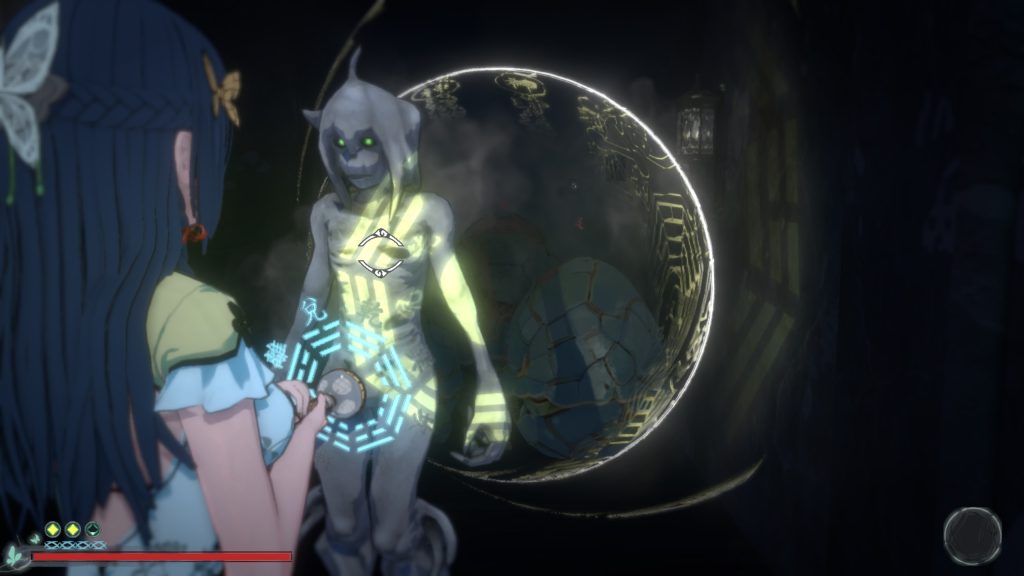
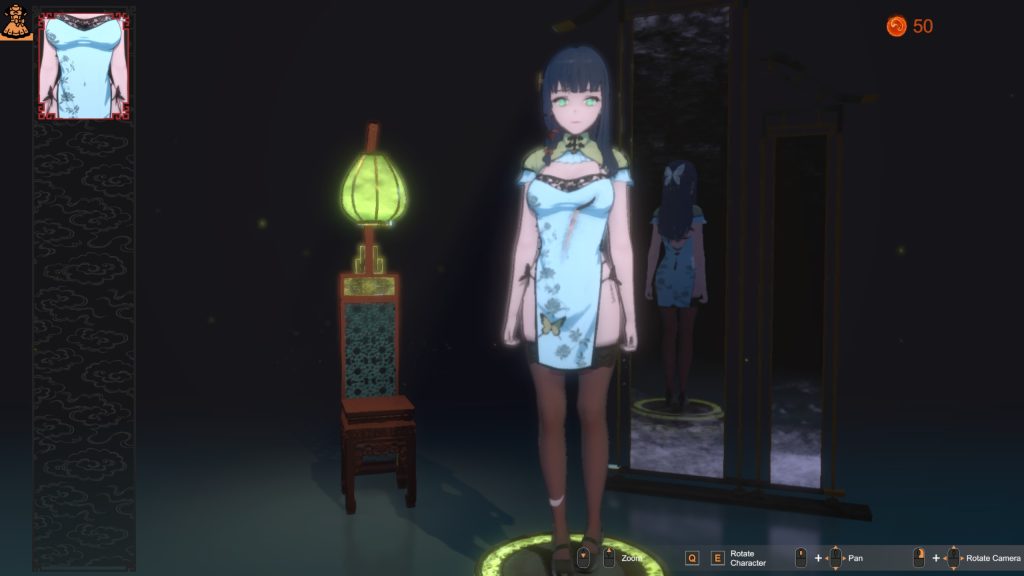
Lunar Chrysalis/Magic Honey Exorcism
“Deterministic Truth” – Octavius Reviews
Introducing The Queen of Fire – Octavius Reviews