

Newsletter Subscribe
Enter your email address below and subscribe to our newsletter

Rising Above the Noise
 Byocta
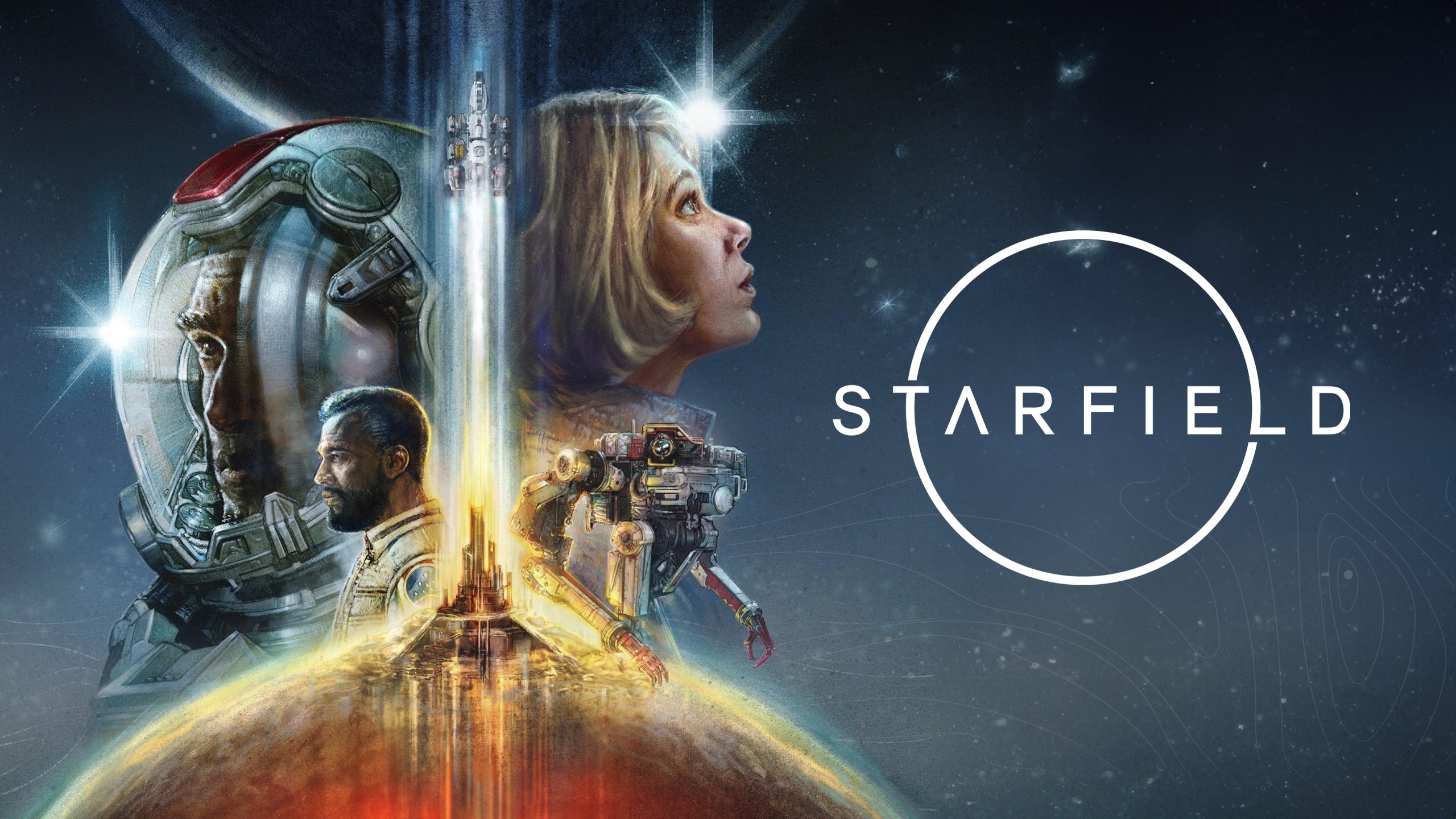
Bethesda’s Starfield is a sprawling space epic that chokes on its own ambition. While it is marketed as a “next gen” exploration title, the reality is a series of loading screens connected by a “budget Soulslike” combat loop. Most offensively, its “Playable” status on Steam Deck is a “verified” lie that ignores the basic reality of handheld hardware.
The loops are repetitive and fragmented. You spend more time in menus and fast-travel screens than actually exploring planets. On the Steam Deck, the experience is a sluggish mess; the “comfortable on the eyes” vistas are ruined by a frame rate that struggles to stay above 20 FPS in major hubs. The tutorials are a slow drip of information that fails to explain the convoluted “gubbins” of ship building and outpost management.
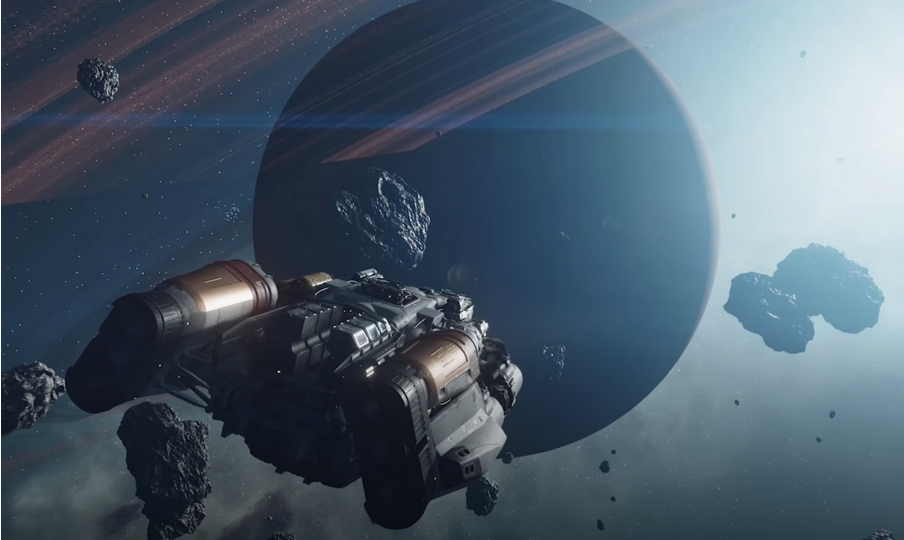
The depth is an ocean an inch deep. Procedural generation has resulted in a thousand planets that all feel identical after the first ten. Animations are stiff the “Bethesda stare” is in full effect and the combat relies on a shallow M+1 loop of hiding behind cover and sponges.
The quests are often mundane fetch-tasks that lack the narrative bite of the studio’s previous work. The Fragmented Odyssey: Despite the superficial “Free Lanes” and “Terran Armada” updates of 2026, the experience remains a series of disjointed vignettes. The Creation Engine serves as a “Hollow Man” vessel, where the illusion of a vast space odyssey is perpetually shattered by the mechanical necessity of cell loading. It is less a journey through the stars and more a sequence of waiting rooms disguised as a galaxy.
Optimization is a monstrosity. The game demands a high end SSD and bleeding edge specs just to feel “smooth” on PC. On the Steam Deck, the UI is cluttered and the text is a strain on the eyes. It is a technical wreck on handheld, prone to crashing during planetary transitions and “Connection FFP” errors if you try to use cloud saves. The gamepad mapping is functional but clunky, feeling like a console port that never quite settled on PC. The Steam Deck Veracity Crisis: Valve’s “Playable” designation for this title is a triumph of marketing over reality. Even with the introduction of aggressive FSR 3 scaling and “Very Low” presets, the performance in urban hubs remains an exercise in visual attrition. Labeling it as functional for handheld use is a semantic stretch that borders on the fantastical.
While there are no Gachapon hooks, the “Creation Club” presence suggests a future of paid “solutions” for game wide problems. It does not respect your time, forcing you through endless walking cycles on barren rocks just to “increase engagement metrics.
At €69.99, the value is questionable. You are paying a premium for a game that feels like it’s still in early access. For Steam Deck owners, the value is essentially zero until the “technical gubbins” are overhauled for low power hardware.
The Optimization Brute-Force: To achieve the “Epic, Global Brand” fidelity one expects from a project of this scale, one must possess hardware of a truly profligate nature. The game lacks the Mechanical Perfection required for efficiency, necessitating a high-tier desktop GPU to simply override the engine’s inherent architectural stagnation.
Starfield is a loading-screen simulator disguised as a space odyssey. On the Steam Deck, it is an unplayable monstrosity that Valve should have never labeled “Playable.” Save your money until it hits a 50% off sale and you have a NASA rig to run it.
Ultimately, the project succeeds only as a digital paperweight exceptionally well crafted, yet fundamentally inert and incapable of justifying the player’s temporal investment. But the promotional media was good.
Rating Thumbs: 👎 👎 Toes: 🦶 🦶 🦶 🦶 🦶 🦶 🦶 🦶 🦶 🦶 (Curled in 20-FPS agony)