Rising Above the Noise

Byocta
The Dynasty Resurrection! Why Europa 1410 is the Redemption We Crave?
Share your love
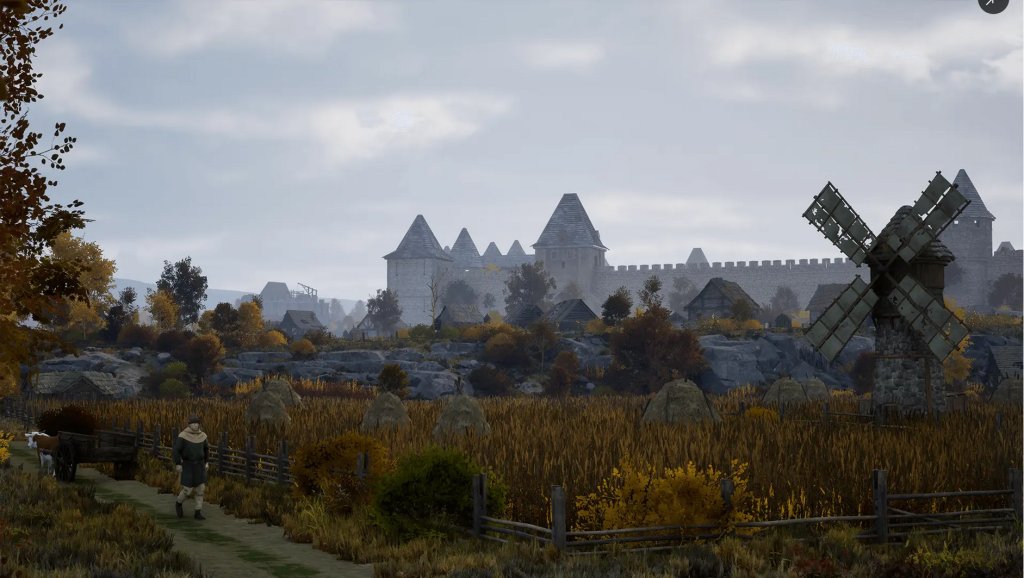
The medieval life simulation genre is currently navigating its most significant tectonic shift in decades; the announcement of The Guild Europa 1410 represents a profound opportunity to reclaim the throne of the dynasty simulator. Slated for a 2026 release, this Unreal Engine 5 powerhouse is positioned as the ultimate spiritual successor to the legendary The Guild 2: Renaissance. For two decades, the constituency has been trapped in a relentless tug of war between atmospheric roleplay and technical stability; however, Ashborne Games is finally promising to bridge that profound chasm. By retreating to the isometric perspective of the 2002 original while injecting modern technical brilliance, this reboot seeks to erase the sterile memories of the past and restore the visceral, cutthroat soul of the Middle Ages.
To understand the weight of Europa 1410, one must examine the lineage of a series where every iteration has traded stability for soul or vice versa. The original Europa 1400 served as the foundational bedrock; it introduced the living illustration aesthetic that was atmospheric yet limited in its roleplay depth. Its successor, The Guild 2: Renaissance, became the undisputed peak of the franchise by moving the camera to a ground level perspective and introducing a cheeky, adversarial AI that felt personal. It offered a high stakes gamble where the player could command personal armies, participate in Crusades, and engage in systematic piracy. Conversely, The Guild 3 attempted to modernize the technical foundation but fundamentally went soft: the developers sanitized the medieval hierarchy, converting what should have been a cutthroat struggle for power into a bureaucratic exercise that lacked the tactile satisfaction of a personal vendetta.
What solidified Renaissance as the prestigious standard was an unhinged AI that ensured your dynasty was under constant siege. In that ecosystem, the Cemetery functioned as a laboratory for brewing poisons or fabricating false evidence to dismantle rivals within a judicial system you already owned. While crime served as a lucrative venture, its true utility was funding the systematic bribery of political leaders to secure the votes necessary for ascension.
As one climbed the ranks of the medieval hierarchy, the simulation shifted from survival to absolute protectionism. At the Mayor level, for instance, the player achieved a state of legal invincibility; the office granted immunity from prosecution, effectively placing that dynasty member above the very laws it administered. This power allowed for the audacious embezzlement of the public treasury or the tactical banishment of an opponent on the eve of an election to ensure a handpicked heir secured their seat. It was a brutal, unbridled toxicity that mirrored the grim realities of the 15th century: a town hall where the magistrate was owned and a courtroom where justice was a commodity for the highest bidder.
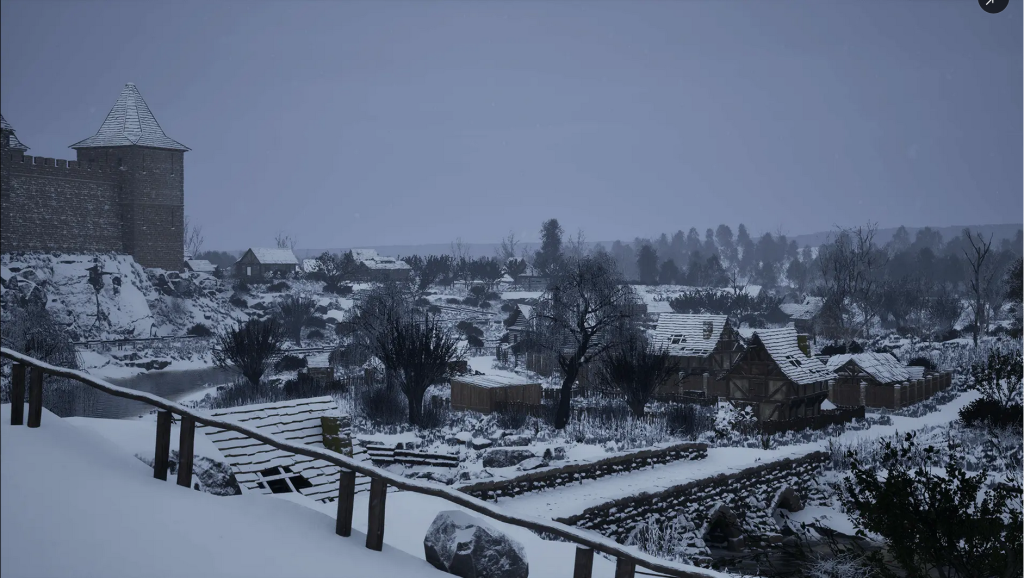

Final Conclusion: The Reclamation of the Throne
The hope for Europa 1410 is simple; we demand the technical stability of the modern age coupled with the unbridled systemic corruption of the medieval hierarchy. If Ashborne Games prioritizes a sanitized version of the 15th century to avoid controversy, they are not returning to the roots of the franchise: they are merely planting a plastic tree in a high fidelity forest. Watching a rival fall in a rigged duel in high definition will likely make your own digital joints feel lubricated. It is a beautiful and morbid journey: just do not blame me when your rivals start framing you for heresy. I warned you that playing this genre without a ruthless streak is like attempting to perform heart surgery with a pair of oven mitts.